
Here is the strangest thing about the most popular peptide in the world. No doctor prescribed it to the people using it. No pharmacy filled it. No regulator approved it. It arrived in a padded envelope with a label that said “research use only,” and the person injecting it learned about it from a podcast, not a clinical trial. That peptide is BPC-157. And in July 2026, for the first time, an FDA advisory committee sat down and argued about whether it should be legal to make it in America.
The vote changed the conversation around this peptide overnight. It did not change the evidence. The gap between what BPC-157 is sold for and what is actually known about it is still enormous, and understanding that gap is the whole point of this deep dive. I will explain what BPC-157 is, what the animal science genuinely shows, what the one human study tells us, what the FDA vote did and did not mean, and what the gray market actually looks like from the inside.
What BPC-157 Actually Is
BPC-157 is a short chain of fifteen amino acids, a pentadecapeptide, first isolated from human gastric juice in the 1990s by researchers at the University of Zagreb in Croatia. The name stands for Body Protection Compound. It began life as an antiulcer molecule, a fragment of a natural stomach protein that seemed to protect the lining of the gut.
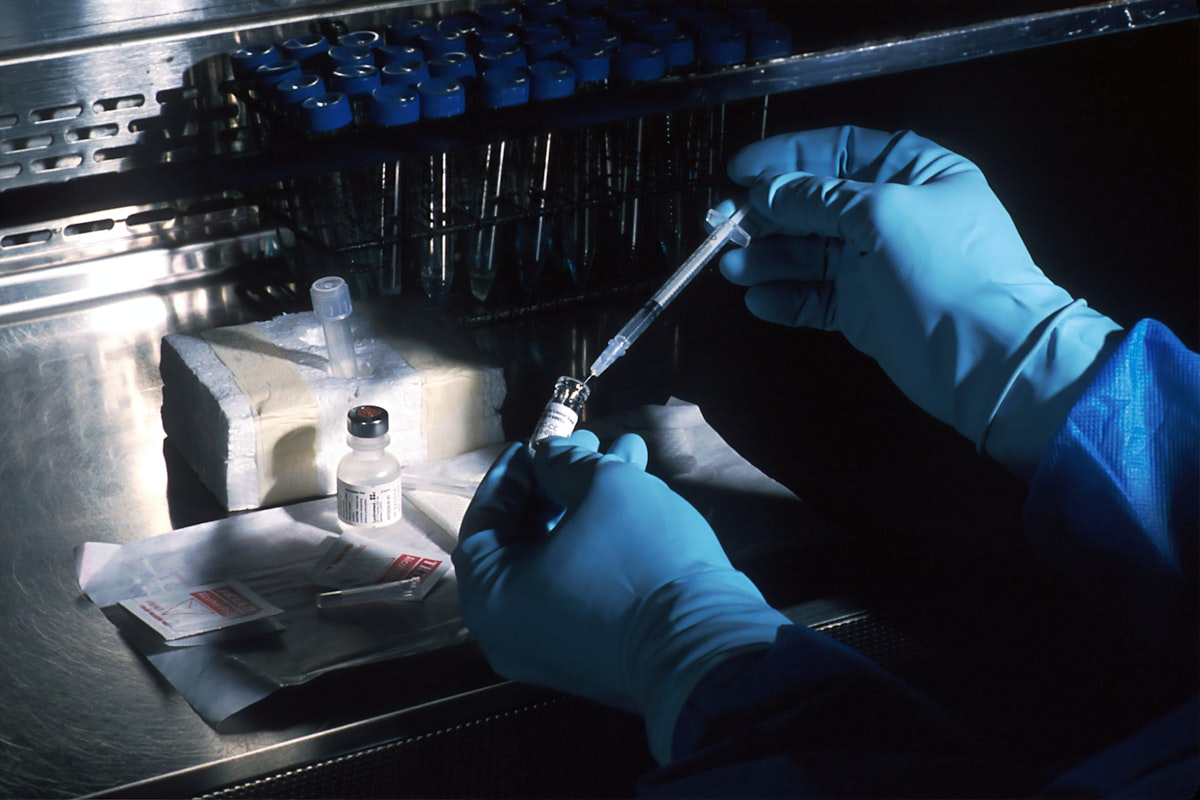
The chemistry matters for a practical reason. Because BPC-157 is a fragment of a protein your own stomach makes, it is unusually stable. It survives gastric acid, which most peptides cannot. It can even be given orally in principle. Almost nobody buying it today does that, though. The gray market almost always delivers it as a freeze dried powder in a glass vial, meant to be mixed with sterile water and injected.
The molecule does have a thin human history. In the 1990s it was used in small trials for ulcerative colitis and multiple sclerosis, and the Zagreb group has repeatedly noted that no toxicity was reported, that even a lethal dose could not be established in animal testing. That sounds reassuring until you remember what it is not. It is not a large, modern, placebo controlled trial proving the peptide does anything meaningful in humans. It is a historical footnote, and the marketing has stretched it into a safety certificate.
What the Animal Science Shows
The animal data on BPC-157 is real, and it is striking. The Zagreb group, led by Sikiric and Seiwerth, has spent three decades publishing rat studies that consistently show the same thing: this peptide accelerates healing across an implausibly wide range of tissues. Gastrointestinal ulcers. Skin wounds, deep burns, diabetic ulcers. Tendon to bone healing after surgery. Ligament and muscle injuries. Even corneal wounds and spinal cord damage.
How it works is becoming clearer. A 2021 review in Frontiers in Pharmacology describes BPC-157 resolving the early wound cascade, vessel constriction, the platelet plug, the stabilizing fibrin mesh, and the clot, then pushing the healing process forward. A 2025 systematic review in HSS Journal, the journal of the Hospital for Special Surgery, adds mechanism: BPC-157 enhances growth hormone receptor expression, activates pathways involved in cell growth and angiogenesis, and reduces inflammatory cytokines. In preclinical models it improved functional, structural, and biomechanical outcomes in muscle, tendon, ligament, and bone injuries.
There is a number worth pausing on. The HSS review screened 544 articles on BPC-157, going back to 1993, and found 36 studies that met its inclusion criteria. Thirty five of them were preclinical. One was clinical. That ratio is the entire story of this peptide in a single statistic: a mountain of rodent evidence and a molehill of human evidence.
The Human Evidence Gap
The single clinical study is a retrospective report, published in 2021, of twelve patients with chronic knee pain who received intra articular injections of BPC-157. Seven of the twelve reported relief lasting more than six months. Twelve patients. No control group. No randomization. No standardized dose. It is a case series, useful as a signal, useless as proof.
The same review found something more important: no clinical safety data at all. Preclinical safety studies showed no adverse effects across several organ systems, but the authors could not point to a single human study that systematically measured what BPC-157 does to the body. They also reported the basics of its metabolism, which most users do not know. BPC-157 is metabolized in the liver, has a half life of less than thirty minutes, and is cleared by the kidneys. It is a short acting molecule that is gone from the body quickly, which is one reason dosing has never been established. Nobody has measured a dose response curve in humans because nobody has run the trial.
That is the honest summary of the evidence: no large randomized trial, no dosing study, no long term safety data, and one small retrospective case series. Everything else is rats, rabbits, and anecdotes.
What the July 2026 FDA Vote Did and Did Not Do
On July 22 and 23, 2026, the FDA Pharmacy Compounding Advisory Committee voted, narrowly, to recommend adding six unapproved peptides to the list of bulk drug substances that compounding pharmacies may use: BPC-157, MOTS-c, KPV, TB-500, epitalon, and semax. ABC News reported the vote as a decision to add BPC-157, the most commercially popular of the six, to the compounding list. NBC4 Washington framed the politics directly, calling it a panel that narrowly backed unapproved peptide drugs favored by the current HHS leadership.
The framing matters, because the vote was a recommendation, not a ruling. Dana-Farber Cancer Institute, which published a detailed explainer on July 30, was explicit: the vote does not mean the six peptides are FDA approved. If the FDA follows the recommendation, the peptides would be added to a list of substances that specialized pharmacies in the United States are permitted to compound, which would put them behind a prescription and inside a regulated supply chain for the first time. The agency has not yet decided. And compounding approval, if it comes, is not an efficacy ruling. It is a manufacturing decision.
Dana-Farber also pointed out the awkward timing. The six peptides were previously flagged for safety concerns, and in its words, there is very little new evidence suggesting they are safe and effective. The discord between the hype and the data is why the vote was so closely watched, and so closely split.
The Gray Market: What People Are Actually Buying
While the committee deliberated, the market kept moving. A Washington Post investigation published July 24 found the peptide boom has states scrambling to protect consumers, as products that bypass federal review flow through gyms, clinics, and online storefronts. A Hone Health survey from June found that half of peptide users are not aware of the FDA approval status of what they are taking. Half. The people injecting themselves do not know whether the product in their hand has ever been reviewed by the agency that regulates drugs.
What they are buying is almost always the same thing: lyophilized powder in a vial from an overseas laboratory, sold with a “research use only” disclaimer, reconstituted with bacteriostatic water, and injected with insulin syringes bought separately. There is no guarantee of purity, no guarantee of dose, and no chain of custody. The Dana-Farber risk list reads like a catalog of what can go wrong: products that may not contain the listed ingredient or the stated dose, contaminants from unregulated manufacturing, unwanted side effects, immune reactions, toxicity to organs such as the liver and pancreas, and injection site irritation.
The cancer question deserves a straight answer, because it is the one that scares people. There is very little evidence about the relationship between these peptides and cancer in humans. But some scientists are concerned because of mechanism, not anecdote. BPC-157 promotes blood vessel growth, angiogenesis, and other peptides on the list extend structures called telomeres. Those are precisely the tricks cancer cells use to fuel tumors. That does not mean BPC-157 causes cancer. It means the mechanism it activates is one that cancer biology treats as an on switch, and nobody has studied the question long enough to rule it out. “More research is needed” is not a dodge here. It is a factual description of the literature.
The Bottom Line
If the FDA adopts the committee recommendation, compounding pharmacies in the United States could legally make BPC-157 for patients with a prescription. That would be a genuine improvement over the gray market: known sources, verified purity, consistent dose, and a doctor in the loop. It would not change the evidence gap. A pharmacy that compounds BPC-157 correctly is still handing you a peptide for which no human efficacy trial, no dosing study, and no long term safety data exist. Regulation fixes the supply chain. It does not fix the science.
If you are considering BPC-157, here is what the literature actually entitles you to believe. Animal studies show consistent healing effects across many tissues, with little reported toxicity in those models. One small human case series suggests possible benefit for some people with chronic knee pain. No controlled human trial has confirmed any of it. The dose you would take, if you took it, is a number someone made up, because no study established one. The product you would inject comes from a supply chain that has never been audited. And if you compete in professional sports, the use of this peptide is banned, full stop.
The FDA vote was a turning point for the legal status of this peptide, not for its evidence. When a substance this popular finally gets studied properly, the results will be worth reading. Until then, the most accurate label for BPC-157 is the one already printed on every vial: research use only.
Last reviewed: August 2026. Peptide Proof Editorial Team.
Sources
Seiwerth S, Milavic M, Vukojevic J, et al. Stable Gastric Pentadecapeptide BPC 157 and Wound Healing. Frontiers in Pharmacology, 2021, volume 12, article 627533. PMID 34267654.
Gwyer D, Wragg N M, Wilson S L. Gastric pentadecapeptide body protection compound BPC 157 and its role in accelerating musculoskeletal soft tissue healing. Cell and Tissue Research, 2019, volume 377, issue 2, pages 153 to 159. PMID 30915550.
Vasireddi N, Hahamyan H, Salata M J, et al. Emerging Use of BPC-157 in Orthopaedic Sports Medicine: A Systematic Review. HSS Journal, 2025, volume 21, issue 4, pages 485 to 495. DOI 10.1177/15563316251355551.
Lee E. Intra-Articular Injection of BPC 157 for Multiple Types of Knee Pain. Alternative Therapies in Health and Medicine, 2021, volume 27, issue 4. PMID 34324435.
Seiwerth S, Vrcic H, Sever M, et al. BPC 157 and Standard Angiogenic Growth Factors. Gastrointestinal Tract Healing, Lessons from Tendon, Ligament and Muscle. Current Pharmaceutical Design, 2018, volume 24, issue 18, pages 1972 to 1989. PMID 29998800.
Jozwiak M, et al. Multifunctionality and Possible Medical Application of the BPC 157 Peptide: Literature and Patent Review. Pharmaceuticals, 2025, volume 18, article 208. PMID 40005999.
Dougherty B. Peptide Safety and Cancer Risk: What You Need to Know. Dana-Farber Cancer Institute Insight, July 30, 2026.
Hone Health. Survey: Half of Peptide-Users Are Not Aware of FDA Approval Status. June 25, 2026.
The Washington Post. Peptide boom has states scrambling to protect consumers. July 24, 2026.
NBC4 Washington. FDA panel narrowly backs unapproved peptide drugs favored by RFK Jr. July 23, 2026. ABC News. FDA advisory committee votes to add popular peptide BPC-157 to drug compounding list. July 23, 2026.