
An Italian biotech just took a quiet but important step forward. Kither Biotech announced on June nineteenth that its lead drug, an inhaled peptide called KIT2014, successfully completed Phase 1 testing in healthy volunteers. The company is now moving into a Phase 2 study in patients with chronic obstructive pulmonary disease. That is a big deal — not just for the company but for anyone watching the inhaled peptide space.
Here’s why this story matters. Delivering peptides through the lungs is one of the hardest problems in drug formulation. Most peptides break down before they reach the bloodstream. Many irritate the airway. Few make it past Phase 1. KIT2014 just did.
What KIT2014 Actually Does
The drug works by modulating a signaling pathway called cAMP inside lung cells. It does this through balanced inhibition of two enzymes — PDE3 and PDE4. By hitting both targets at once, the peptide aims to reduce inflammation and relax constricted airways. The mechanism is not new conceptually. The inhaled PDE4 inhibitor roflumilast already exists. But KIT2014 is a peptide version delivered by inhalation. That changes the pharmacokinetic profile in ways that could matter for tolerability.
COPD affects roughly three hundred eighty million people worldwide. Current treatments include bronchodilators, inhaled steroids, and oral PDE4 inhibitors. But oral PDE4 drugs come with significant side effects — nausea, diarrhea, weight loss. An inhaled peptide that stays in the lungs could offer the same anti-inflammatory benefit without the systemic baggage. That is the bet Kither is making.
The Trial Path So Far
The Phase 1 study tested KIT2014 in healthy volunteers. The primary goal was safety and tolerability. Kither has not released the full data set publicly. But the company confirmed the drug was well tolerated and showed the pharmacodynamic signals they expected. That was enough to convince regulators to let them proceed to patients.
Phase 2 will enroll COPD patients and look at efficacy endpoints — lung function, exacerbation rates, quality of life measures. Kither has not disclosed the exact trial size or timeline. But Phase 2 in COPD typically takes eighteen to twenty-four months from first patient dosed to data readout.
Kither is not stopping at COPD. The company plans to expand KIT2014 into other respiratory diseases including non-cystic fibrosis bronchiectasis, cystic fibrosis itself, and idiopathic pulmonary fibrosis. Each of those is a separate indication with its own regulatory path. But the common thread is the same — an inhaled peptide that quiets airway inflammation through cAMP modulation.
The Numbers That Matter
Let’s put this in context. The global COPD drug market was worth about twenty-two billion dollars last year and is projected to hit thirty-four billion by 2033. Inhaled delivery accounts for the vast majority of COPD treatments. But peptides are almost entirely absent from that landscape. Most peptide drugs are injectables. The ones that make it to market as inhalables are rare — only a handful of inhaled insulins and one inhaled antibiotic peptide have ever been approved.
The inhaled drug delivery market itself is growing at about six percent annually. Device innovation, better particle engineering, and improved stabilization techniques are making it easier to formulate peptides for the lung. KIT2014 sits right at the intersection of two growing trends — peptide therapeutics and inhaled delivery.
Kither Biotech raised capital from Italian and European life science investors. The company also has a second asset, KITCL27, a small molecule PI3K inhibitor for IPF that is at an earlier stage. But KIT2014 is the lead program and the one that will determine the company’s near-term trajectory.
What Experienced Teams Know
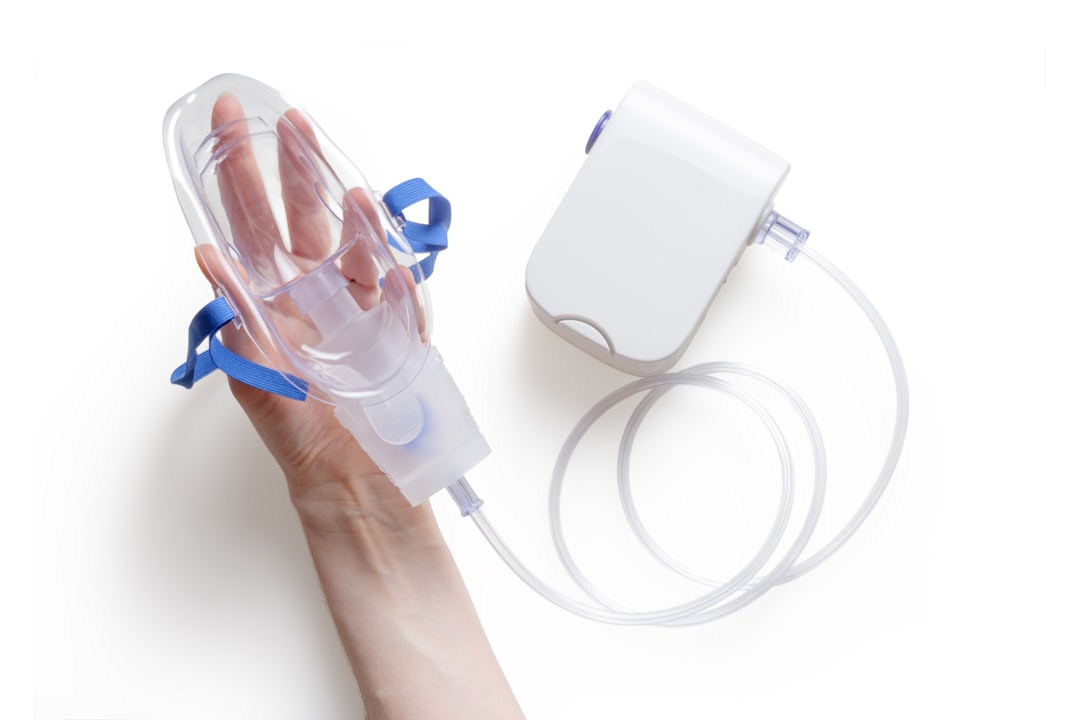
Here’s the anti-pattern that catches most teams working on inhaled peptides. They focus on the peptide chemistry and forget about the device. Formulation stability matters. So does particle size distribution. But what kills more inhaled peptide programs than anything else is poor device compatibility. A peptide that works beautifully in a nebulizer cup can aggregate and lose all activity when loaded into a dry powder inhaler. The manufacturability of the drug-device combination is where programs die. Kither has not disclosed which delivery device they are using for KIT2014. That is normal for this stage. But it is the question experienced developers will ask first.
Another pitfall is immunogenicity. Inhaled peptides face a tougher immunogenicity risk than injectables because the lung mucosa is an active immune surveillance site. A peptide that shows no antibody formation after subcutaneous injection can trigger neutralizing antibodies when inhaled. The Phase 1 data would need to cover this carefully. If Kither saw no immunogenicity signals in healthy volunteers, that bodes well. But chronic dosing in COPD patients — who often have compromised lung immunity — is a different test.
Why This Matters for the Peptide Field
The peptide therapeutics space has been dominated by injectables for decades. GLP-1 agonists, insulin analogs, peptide hormones — almost all are delivered by needle. Oral peptide delivery gets the headlines. But inhaled delivery is arguably a more natural route for respiratory indications. If KIT2014 succeeds in Phase 2, it validates a model that could be replicated across dozens of peptide programs.
Think about it. Antimicrobial peptides for lung infections. Anti-inflammatory peptides for asthma. Mucus-clearing peptides for cystic fibrosis. All of these are in preclinical or early clinical development. All of them face the same delivery challenge that KIT2014 is tackling. A successful inhaled peptide program creates a precedent that makes it easier for others to raise money, attract partners, and navigate regulators.
Now here is the key data point. The inhaled drug delivery sector has seen multiple failures over the past decade. MannKind’s Afrezza inhaled insulin disappointed commercially. Several inhaled antibiotics for CF failed to beat existing treatments. The graveyard is full. But those failures taught the industry what not to do. KIT2014 benefits from all those lessons. The peptide is short and stable. The mechanism targets a validated pathway. The Phase 1 data was clean enough to advance. That combination is worth paying attention to.
One thing worth noting. Kither does not appear to have a large pharma partner yet. The company is advancing KIT2014 on its own. That suggests the data so far is compelling enough to attract independent financing. But a Phase 2 COPD trial is expensive — likely in the range of thirty to fifty million dollars. Kither will either need to raise a substantial Series B or bring in a partner before the trial is fully enrolled. Watching how they solve that financing question will tell us a lot about how the market values inhaled peptide assets.
Something to watch. I’ll be tracking this.
Frequently Asked Questions
What is KIT2014 and how does it work?
KIT2014 is an inhaled peptide drug developed by the Italian biotech company Kither Biotech. It works by modulating intracellular cAMP signaling through balanced inhibition of two enzymes called PDE3 and PDE4. This dual inhibition reduces airway inflammation and helps relax constricted bronchial passages. KIT2014 is delivered directly to the lungs via inhalation, which is designed to maximize local effect while minimizing systemic side effects.
What stage of development is KIT2014 at?
KIT2014 has successfully completed a Phase 1 clinical trial in healthy volunteers. The trial demonstrated acceptable safety and tolerability along with the expected pharmacodynamic effects. Kither Biotech is now initiating a Phase 2 clinical study in patients with chronic obstructive pulmonary disease. Phase 2 will evaluate efficacy endpoints including lung function and exacerbation reduction.
Why is inhaled peptide delivery significant?
Most peptide drugs are delivered by injection because peptides are fragile molecules that break down easily in the body. Delivering peptides through the lungs is especially challenging because the airway environment can degrade peptides before they reach their target. A successful inhaled peptide program — like KIT2014 aims to be — would validate a delivery approach that could be applied to many other peptide drugs for respiratory diseases.
Further Reading
- Peptide Drug Approvals by Modality: What 2020–2026 Data Reveal About the Pipeline
- When Will Oral Peptides Replace Injectables? A Realistic Assessment
- Peptide Stability Testing: The Seven Pitfalls That Cost Developers Millions
Last reviewed: June 2026. Peptide Proof Editorial Team. Source: Kither Biotech press release via GlobeNewswire, June 19, 2026.