Home Blog Page 4

Galderma旗下Alastin肽类品牌进军日本韩国:专业护肤的亚太新布局

瑞士皮肤科巨头Galderma旗下专业再生护肤品牌Alastin正式进入亚太市场。品牌已在台湾上市,即将登陆日本,并已获得新加坡和韩国的上市批准。这意味着肽类专业护肤品牌在亚洲市场的布局迈出了关键一步。

Alastin是一个以肽类技术为核心的临床级护肤品牌。它的TriHex专利技术通过特定肽类复合物来支持皮肤自身的再生能力,帮助皮肤在接受医美项目后更快恢复。这种”医美术后护理+日常抗老”的双轨定位,恰好抓住了亚太地区快速增长的美容注射市场的需求缺口。

为什么Galderma选择现在加码亚太市场?

Galderma是全球最大的纯皮肤科公司之一,旗下拥有Cetaphil等家喻户晓的品牌。Alastin是其专业线的高端品牌,在美国已经是医美术后护理领域的销量冠军。据统计,Alastin拥有超过六十篇国际学术出版物和二十五项以上授权专利,是临床研究最充分的护肤品牌之一。

亚太地区的美容消费正在经历一个结构性变化。中国、日本、韩国、新加坡等市场的消费者越来越倾向于接受注射类医美项目,而术后护理的需求也随之水涨船高。Alastin的产品组合恰好覆盖了这一需求——从术前皮肤调理到术后修复,再到日常维护,形成一个完整的产品闭环。

此次在亚太区推出的产品线包括九款产品,涵盖洁面、精华、面霜、眼霜和防晒等品类。这个产品矩阵与其在美国市场的专业定位保持一致,说明Galderma对亚太市场的策略不是”简配版”进入,而是完整的品牌落地。

Alastin的肽类技术到底有什么不同?

Alastin的核心技术TriHex在美国拥有多项专利。这是一套肽类复合物组合,专门设计用于支持皮肤的弹性蛋白和胶原蛋白网络。和市面上多数肽类护肤品不同,Alastin的配方并非简单添加一种或两种肽类原料,而是围绕特定皮肤生物学通路进行定向设计。

这也引出了一个行业专家经常强调的问题:肽类护肤品的真正价值不在于配方里”含有多少种肽”,而在于肽类的浓度、递送系统、以及是否针对特定皮肤机制。市场上很多宣称含肽的产品,肽类浓度低到无法起到生物效应。Alastin的优势在于它有临床数据和专利支撑,这是「肽类护肤」和「加了肽的护肤品」之间的本质区别。

那么这意味着什么?如果你是一个追求专业级护肤效果的消费者,选择有临床数据支持的品牌比看成分列表上的肽类数量更有意义。另一个自然的提问是:Alastin进入亚洲后,价格会和美国一样吗?从目前的信息来看,Galderma在全球采用统一的高端定位策略,亚太区的定价应该与美国市场保持一致。

对肽类护肤行业意味着什么?

Galderma将Alastin带入亚太市场,释放了一个清晰的信号:肽类护肤已经从小众成分走向主流专业级定位。当全球最大的皮肤科公司之一愿意为肽类品牌投入亚太区的完整上市推广,说明这个成分的商业价值和临床基础已经得到了充分验证。

这一趋势也让人联想到我们之前报道过的其他专业肽类护肤品牌的动向——ZO Skin Health的肽类面雕精华、Medik8的液态肽类精华,都表明专业护肤品牌正在围绕肽类成分展开新一轮的产品升级。而Alastin的亚太扩张,很可能是更多国际专业品牌跟进这个市场的开端。

我在持续关注这个领域。

延伸阅读

分享这篇文章:
X (Twitter)
LinkedIn
Email

最后审阅:2026年7月。Peptide Proof编辑部。来源:AOL.comSTT Info

Matrixyl Explained: How a Collagen Fragment Signals Skin Repair

Here is a remarkable fact about skin aging that most people never hear: your dermis already knows how to rebuild itself. It just stops getting the right signals. Every day, enzymes called matrix metalloproteinases chew through old collagen in your skin. They leave behind small protein fragments. Some of those fragments are not just debris. They are chemical memos that tell fibroblasts to make more collagen. The most famous of these memos is a five-amino-acid sequence called KTTKS. You know it as Matrixyl.

Matrixyl has been in anti-aging products for over two decades. It appears in serums from brands like The Ordinary and in luxury formulations from SkinMedica and Medik8. Yet most people who use it do not understand what it actually does at the molecular level. This article breaks down the full story: where KTTKS comes from, how it signals fibroblasts, why the palmitoyl tail matters more than the peptide itself, what the clinical data shows, and where Matrixyl fits in a modern skincare routine.

The Matrikine Revolution: What Matrixyl Actually Is

Matrixyl is the trade name for palmitoyl pentapeptide-4. The active portion is a sequence of five amino acids: lysine, threonine, threonine, lysine, and serine. That sequence, KTTKS, is not random. It is a fragment of the alpha-1 chain of type I collagen, the most abundant protein in human skin. When collagen breaks down naturally, enzymes release KTTKS as one of many fragments. And fibroblasts have evolved receptors that recognize this specific sequence as a distress signal.

Biologists call molecules like KTTKS “matrikines.” A matrikine is a peptide fragment released from extracellular matrix proteins that carries a biological message. Think of it as a smoke detector. When collagen is getting torn down faster than it is being rebuilt, matrikines accumulate. Fibroblasts detect that accumulation and ramp up collagen production in response. This is the skin’s built-in repair feedback loop. A 2022 review by Jariwala and colleagues at the University of Manchester, published in Advanced Drug Delivery Reviews, documented how matrikines function as mediators of tissue remodelling across multiple organ systems. A more recent 2026 paper by Birtles and the same Manchester group, published in the American Journal of Physiology, mapped the full discovery pipeline for skin-rejuvenating matrikines from computational prediction to in vivo testing.

The key insight behind Matrixyl was elegantly simple. If KTTKS is the signal that tells fibroblasts to make more collagen, then applying KTTKS topically should theoretically boost collagen synthesis on demand. The skin would interpret the applied peptide as evidence of ongoing collagen damage and respond by building more matrix. No need to wait for natural degradation. No need for cellular stress. Just deliver the memo directly.

How KTTKS Talks to Fibroblasts: The Mechanism

The molecular biology here is worth understanding because it explains why Matrixyl works differently from almost every other anti-aging ingredient. Retinoids work by binding to nuclear receptors and changing gene expression. Vitamin C works as an enzymatic cofactor for collagen synthesis. Peptides like Matrixyl work upstream of all that. They trigger a receptor-mediated signaling cascade that tells the cell to enter repair mode.

When a KTTKS fragment reaches a dermal fibroblast, it binds to a receptor on the cell surface. The exact receptor identity is still debated. Some evidence points to a yet-unidentified G protein-coupled receptor. The binding event triggers a phosphorylation cascade inside the cell. That cascade activates transcription factors that travel to the nucleus and switch on genes for type I collagen, type III collagen, and fibronectin. The fibroblast essentially receives a false alarm: “Collagen fragments detected. Initiate repair program.”

The foundational paper proving this mechanism came from Jones and colleagues at the University of Reading, published in Molecular Pharmaceutics in 2013. They showed that the palmitoylated form of KTTKS stimulated collagen production in human dermal and corneal fibroblasts in a concentration-dependent manner. They also made a fascinating observation. The peptide’s collagen-stimulating activity peaked near its critical aggregation concentration, the point where individual peptide molecules begin self-assembling into nanotape structures. This suggested that self-assembly and bioactivity are physically linked. The peptide may need to organize itself into supramolecular structures before fibroblasts can detect it effectively.

A 2026 study by Hamley’s group, also at Reading, published in the Journal of Peptide Science, confirmed and extended this finding. They showed that C16-KTTKS, the lipidated form used commercially as Matrixyl, self-assembles into nanotapes based on multi-bilayer stacking across a pH range of four to seven. Those nanotapes were cytocompatible with fibroblasts at low concentrations and stimulated collagen production at just 0.0062 weight percent. That is an extraordinarily low effective concentration for a topical active. For context, most active ingredients in skincare require concentrations of 0.1 to 2 percent to show measurable effects.

The Palmitoyl Problem: Why Delivery Matters More Than the Peptide

Here is the uncomfortable truth about Matrixyl that formulators know but marketing materials rarely mention. The KTTKS peptide by itself is almost useless as a topical ingredient. It is a water-soluble pentapeptide with a molecular weight of 563 Daltons. It cannot cross the stratum corneum, the outermost layer of skin, in any meaningful quantity. And even if it could, endogenous proteases in the skin would chew it apart within minutes.

A 2014 study by Choi and colleagues at Kyungsung University, published in Biomolecules and Therapeutics, settled this definitively. They applied both unmodified KTTKS and palmitoyl-KTTKS to hairless mouse skin. The unmodified peptide was not detected in any skin layer. Not the stratum corneum. Not the epidermis. Not the dermis. Nothing got through. The palmitoylated form was different. They measured 4.2 micrograms per square centimeter in the stratum corneum, 2.8 in the epidermis, and 0.3 in the dermis. The lipid tail turned an impermeable peptide into one that could reach its target tissue.

The palmitoyl modification solves two problems at once. First, the sixteen-carbon fatty acid chain makes the peptide lipophilic enough to partition into the lipid-rich stratum corneum. Second, it protects the peptide from proteolytic degradation. Choi’s team tested stability in skin extracts and homogenates. Both KTTKS and pal-KTTKS degraded over time. But the palmitoylated form survived significantly longer. When they added protease inhibitors, stability improved for both forms. This confirmed that enzymatic degradation, not just physical barrier exclusion, is the obstacle for naked peptides.

This is why the formulation matters more than the peptide concentration for Matrixyl products. You can put five percent pal-KTTKS in a cream. If the vehicle does not partition the peptide into the stratum corneum effectively, almost none of it reaches fibroblasts. Delivery systems are everything. And modern research is producing genuinely impressive delivery innovations.

A 2025 study by Wang and colleagues at Southern Medical University, published in Advanced Science, developed a self-assembled nanomicelle system using glycyrrhizic acid ionic liquids to deliver palmitoyl pentapeptide-4 through the skin. Their system boosted permeation and subcutaneous retention significantly. In cellular and animal photoaging experiments, the nano-delivered peptide enhanced collagen and hyaluronic acid regeneration while reducing inflammation and apoptosis. Another 2025 study by Trashi and colleagues at UT Dallas, published in Acta Biomaterialia, used a fourth-generation PAMAM dendrimer functionalized with the peptide itself. Their nanocarrier released pal-KTTKS and all-trans retinol together in the dermis over twenty-four hours, enhancing collagen production beyond what either ingredient achieved alone. These are not incremental improvements. They are step changes in what topical peptides can do.

What the Clinical Data Actually Shows

The laboratory evidence for Matrixyl is strong. But what happens when you put it on real human faces and measure the results?

The most relevant clinical study for skincare users is a 2023 double-blind randomized trial by Aruan and colleagues at Kristen Krida Wacana University in Indonesia, published in the Journal of Clinical and Aesthetic Dermatology. They enrolled twenty-one Indonesian women aged twenty-six to fifty-five with visible crow’s feet. The subjects were divided into three groups: one using an acetyl hexapeptide-3 cream, which is the active in Argireline, one using a palmitoyl pentapeptide-4 cream, and one using a placebo. They applied the creams twice daily to the periorbital area for eight weeks.

The results were clear. Both peptide groups showed measurable improvements over placebo based on corneometer readings for hydration, tewameter readings for barrier function, cutometer readings for elasticity, and photographic grading of wrinkle depth. But palmitoyl pentapeptide-4 outperformed acetyl hexapeptide-3 on most endpoints. The PPP-4 group showed better improvements in clinical photography, self-assessment scores, and overall wrinkle grading. The study was small, just twenty-one subjects, and only ran for eight weeks. Those are real limitations. But the direction of the effect is consistent and aligns with the mechanistic data from cell culture studies.

A 2025 in vitro study by Paccola and colleagues at the University of São Paulo, published in Molecules, tested palmitoyl pentapeptide-4 in combination with injectable platelet-rich fibrin, or i-PRF, on human dermal fibroblasts. They found that the combination upregulated COL1A1, the gene for type I collagen, FN1 for fibronectin, and HAS1 for hyaluronic acid synthase more strongly than either treatment alone. The synergy suggests that Matrixyl’s signaling pathway and i-PRF’s growth factor cascade activate complementary repair mechanisms. This is not a consumer-level application, most people are not combining topical peptides with i-PRF at home, but it points toward a future where combination protocols become standard in aesthetic medicine.

Expert Insight: What Experienced Formulators Know

Let me share four things that experienced cosmetic formulators know about Matrixyl that most ingredient lists will never tell you.

The pH window is narrower than you think. The KTTKS peptide is stable at a pH between four and seven. Below 4, the peptide begins to hydrolyze. Above 7, deamidation can occur at the serine residue. Many popular skincare products sit at a pH of 5.5 to 6.5, which is fine. But if you are layering Matrixyl with an acidic exfoliant like glycolic acid at pH 3.5, you may be destroying the peptide before it reaches your skin. The Hamley group’s 2026 nanostructure study confirmed that C16-KTTKS maintains its nanotape architecture across the four-to-seven pH window. Outside that range, the self-assembled structures that appear to be important for bioactivity break down.

Concentration is not linear. The Jones 2013 study showed collagen stimulation peaking near the critical aggregation concentration of roughly 0.005 weight percent. At higher concentrations, the effect did not increase proportionally. This means that products claiming five or ten percent pal-KTTKS may not deliver five or ten times the benefit of a 0.01 percent formulation. The peptide’s self-assembly into nanotapes creates a physical ceiling on bioavailable active molecules. More peptide in the bottle does not equal more peptide reaching fibroblasts.

What the safety data does not tell you. A 2026 safety framework paper by Bjerke and colleagues at Procter and Gamble, published in Current Research in Toxicology, validated palmitoyl pentapeptide-4 against six bioinformatic tools for toxin prediction, allergen screening, and biological activity assessment. The peptide showed sequence homology with extracellular matrix proteins without triggering any toxin or allergen flags. That is good news for safety. But the framework evaluated the peptide in isolation. It did not account for what happens when pal-KTTKS sits in a formulation with preservatives, fragrances, emulsifiers, and other actives for twelve months on a shelf. Peptide degradation products in aged formulations remain under-studied.

Delivery is the real bottleneck and most products fail here. The Choi 2014 permeation study showed that even with the palmitoyl tail, only 0.3 micrograms per square centimeter of the applied dose reached the dermis. That is roughly seven percent of what entered the stratum corneum. The rest stayed in upper layers or was metabolized. If your Matrixyl serum uses a basic water-glycerin base with no penetration enhancers, no liposomal encapsulation, and no ionic liquid delivery system, the peptide that reaches your fibroblasts is likely a fraction of a fraction of what is on the label. The nanomicelle and dendrimer systems from 2025 suggest that the gap between “applied” and “delivered” can be dramatically narrowed with the right vehicle. Most products on the shelf today do not use these technologies.

Where Matrixyl Fits in a Peptide Routine

Matrixyl is a signal peptide. Its job is to tell fibroblasts to make more collagen. It does not relax muscles like Argireline does. It does not block neurotransmitters like Syn-Ake does. It does not deliver copper ions like GHK-Cu does. These peptides work on completely different biological pathways. And that means they can be used together without competition or interference.

A well-designed peptide routine typically layers a signal peptide like Matrixyl in the morning or evening serum step, after cleansing and before moisturizer. If you also use a neurotransmitter-inhibiting peptide like Argireline for expression lines, apply that first to clean skin around the eyes and forehead, then follow with Matrixyl on the full face. Copper peptides like GHK-Cu should ideally be used in a separate routine, morning versus evening, because copper ions can potentially oxidize other peptides in the same formulation. But the evidence for actual incompatibility in finished products is thin. Most of the concern comes from theoretical chemistry, not from clinical observation of reduced efficacy.

Matrixyl pairs particularly well with ingredients that support the collagen synthesis machinery downstream. Vitamin C provides the enzymatic cofactor for prolyl hydroxylase, which stabilizes the collagen triple helix. Retinoids upregulate collagen gene expression through a different nuclear receptor pathway. Using Matrixyl in the morning and a retinoid in the evening gives fibroblasts complementary signals through distinct mechanisms. That is the logic behind the “peptide morning, retinoid night” framework that many dermatologists recommend.

One practical note on product selection. Look for Matrixyl products that explicitly mention palmitoyl pentapeptide-4 or pal-KTTKS on the ingredient list, not just “Matrixyl” as a marketing term. Check whether the product lists any penetration-enhancing technologies: liposomes, ethosomes, glycols in the first five ingredients, or ionic liquid carrier systems. A Matrixyl serum in a water-glycerin base with the peptide at the bottom of the ingredient list is probably not delivering enough active peptide to matter. The formulation discipline matters as much as the ingredient itself.

Something to watch. The matrikine field is accelerating fast. The Birtles 2026 pipeline paper from Manchester described a computational workflow that predicts novel matrikine sequences from ECM protein databases, screens them for bioactivity in silico, and validates the best candidates in 3D skin models. Matrixyl was discovered the old-fashioned way: trial and error based on known collagen sequences. The next generation of signal peptides will be discovered by algorithms scanning for optimal receptor binding motifs. Matrixyl may eventually look like the Model T of signal peptides: revolutionary for its time, but crude compared to what follows.

Further Reading

Last reviewed: July 2026. Peptide Proof Editorial Team.

Sources: Jones RR et al., Molecular Pharmaceutics 2013 volume 10 issue 3 pages 1063 to 1069. Choi YL et al., Biomolecules and Therapeutics 2014 volume 22 issue 4 pages 321 to 327. Aruan RR et al., Journal of Clinical and Aesthetic Dermatology 2023 volume 16 issue 2 pages 37 to 43. Jariwala N et al., Advanced Drug Delivery Reviews 2022 volume 185 article 114240. Wang Z et al., Advanced Science 2025 volume 12 issue 8 article e2412581. Trashi O et al., Acta Biomaterialia 2025 volume 193 pages 571 to 583. Hamley IW et al., Journal of Peptide Science 2026 volume 32 issue 8 article e70111. Paccola AGL et al., Molecules 2025 volume 30 issue 16 article 3415. Bjerke DL et al., Current Research in Toxicology 2026 volume 10 article 100291. Birtles T et al., American Journal of Physiology Cell Physiology 2026 volume 330 issue 4 pages C974 to C990.

Midi Health推出更年期肽类面霜:荷尔蒙变化驱动的护肤新赛道

美国女性健康品牌Midi Health近期推出了一款专为更年期女性研发的肽类面霜,目标直指一个被主流护肤市场长期忽视的缺口——荷尔蒙变化驱动的皮肤衰老。据Flow Space和Personal Care Insights报道,这款产品是Midi Health针对荷尔蒙变化定制护肤方案的最新尝试,此前该品牌已推出为中年女性设计的处方级护肤品系列。

这不是一款普通的抗老面霜。它的核心洞察在于:更年期女性的皮肤衰老机制与一般光老化截然不同。雌激素水平下降导致的胶原蛋白流失、皮肤屏障功能减弱和水分保持能力下降,需要的不是简单的抗氧化配方,而是更有针对性的信号调节方案。

为什么肽类更适合更年期护肤?

从皮肤生理学的角度来看,更年期皮肤面临的核心问题是胶原蛋白合成的急剧下降。研究表明,女性在绝经后的前五年内会失去约百分之三十的皮肤胶原蛋白,这一速度远超同年龄段的男性。传统的视黄醇和维生素C可以有效对抗光老化,但它们并不能直接解决雌激素撤退带来的信号系统紊乱。

肽类在这里具有独特优势。信号肽——特别是棕榈酰三肽-1和棕榈酰四肽-7——直接作用于成纤维细胞,绕过激素信号通路来刺激胶原蛋白合成。这意味着,即使雌激素水平下降导致天然胶原合成信号减弱,外源性信号肽仍然可以维持一定水平的胶原蛋白生产。

但这里有一个关键区别:不是所有肽类都适合更年期皮肤。铜肽侧重于伤口愈合和抗氧化,神经递质阻断肽(类似类肉毒素功效)针对的是表情纹而非胶原蛋白流失问题。真正对更年期肌有效的应该是信号肽,特别是那些靶向转化生长因子通路的肽类。

Midi Health选择在这个时间点入局,说明它们识别到了一个市场空白:目前几乎没有主流护肤品牌专门针对更年期女性的肽类产品线。大多数品牌的抗老线要么是”通用型”,要么只针对光老化。

Midi Health的战略价值:女性健康品牌跨界护肤

Midi Health原本是一家远程女性健康医疗平台,提供更年期、围绝经期等荷尔蒙相关的医疗服务。其护肤产品线的推出,是从”治疗”延伸到”日常护理”的自然延伸。这种从医疗端切入护肤的模式——类似Curology和Hers/Hims的路径——意味着产品研发会更有医学依据,而非单纯的市场驱动。

同样值得注意的是,Midi Health选择了”处方级”这一品牌定位。这说明它们的产品浓度和活性成分剂量可能高于标准柜台产品。对于更年期女性来说,这实际上是一个合理的市场定位——她们面临的皮肤问题更需要功效性配方,而非温和的日常保湿。

那么这对肽类护肤市场意味着什么?当更多垂直领域的品牌开始将肽类作为特定人群的解决方案而非泛化抗老成分时,肽类的应用会从”万能成分”走向”分场景精准作用”。这对行业是好事——更精准的产品定位意味着更好的消费者体验,也意味着肽类配方的科学价值被更充分地理解和利用。

我在持续关注这个细分赛道的走向。

延伸阅读

分享这篇文章:
X (Twitter)
LinkedIn
Email

最后审阅:2026年7月。Peptide Proof编辑部。来源:Flow SpacePersonal Care Insights

ELT Cosmetics走向全球:PDRN肽类韩妆品牌的国际化新信号

韩国护肤品牌ELT Cosmetics正在加速其国际化步伐。这家总部位于首尔、以PDRN和多肽复配为核心配方的品牌,近日宣布拓展全球市场。据FinancialContent报道,ELT Cosmetics凭借其”成分驱动型韩妆”定位和多位K-celebrity的忠实用户基础,正将其产品线推向更多国际市场。

这听起来像是一个小众品牌的成长故事。但在肽类护肤的语境下,ELT Cosmetics的全球化具有更广泛的信号意义——它标志着PDRN+肽类配方正在从医美诊所走向大众市场,从韩妆本土品牌变为全球消费者的新选择。

ELT Cosmetics是谁?PDRN+肽类的配方哲学

ELT Cosmetics将自己定位为”将天然成分与先进皮肤科学融合”的韩国护肤品牌。其明星产品线V-PDRN系列的核心是玫瑰来源的PDRN——一种促进细胞再生的多核苷酸成分——再搭配多种信号肽、胶原蛋白和透明质酸。以V-PDRN Double Glow Serum为例,这款产品融合了三重维生素C、PDRN、肽类和透明质酸,形成”焕亮+抗老+保湿”的三重通路。

PDRN在韩国医美领域早已被广泛认可。它通过激活A2A腺苷受体,促进成纤维细胞增殖和胶原蛋白合成。当PDRN与信号肽结合在一起时,理论上可以实现”修复+信号传导”的协同效应。这也是为什么越来越多韩妆品牌开始将这两种成分放在同一个配方中——比如我们已经报道过的Merz Aesthetics Ultherapy Mask PDRN肽类面膜。

问题在于:消费者真的需要这些成分组合吗?还是这只是品牌制造的新概念?

深入分析:PDRN+肽类的组合价值在哪里

从配方科学的角度,PDRN和肽类的搭配确实有逻辑基础。PDRN负责促进成纤维细胞的增殖和迁移,这相当于”唤醒”皮肤的修复能力。而信号肽——比如棕榈酰寡肽和棕榈酰四肽——则向这些活跃的成纤维细胞发出”生产胶原蛋白”的指令。一个负责启动工厂,一个负责下达生产指令,两者形成互补。

但大多数人忽略的是浓度问题。PDRN的功效存在明确的浓度依赖性——低于某个阈值的PDRN含量可能无法产生有意义的生物学效应。同样,肽类也需要达到特定的浓度阈值才能触发胶原蛋白合成信号。许多品牌宣传”含PDRN和肽类”,但实际上两者都只以微量添加,更多是标签上的营销词汇而非真正的功效成分。

这意味着什么?对于想要选择这类产品的消费者,关键不在于品牌故事多好听,而在于配方中活性成分的实际浓度和稳定性。这也是ELT Cosmetics值得关注的原因——它显然在PDRN和肽类上投入了配方研发,而非仅仅把它们当作标签上的装饰。

韩妆国际化的新阶段:从”韩流明星代言”到”成分驱动”

ELT Cosmetics的全球化策略反映了韩妆行业的一个更深层转变。过去,韩国护肤品牌出海主要依靠韩流明星的代言效应和”韩剧同款”的营销叙事。而现在,像ELT Cosmetics这样的品牌正在用成分和配方来建立差异化——”ingredient-focused”本身就是其品牌定位的核心。

这与COSRX、Glow Recipe等韩妆前辈的策略一脉相承。COSRX凭借肽类、蜗牛粘液和PDRN作为其核心成分矩阵,Glow Recipe则将水果提取物与肽类结合。ELT Cosmetics选择PDRN+肽类作为品牌锚点,说明这两种成分的市场教育已经成熟到可以被一个新兴品牌拿来作为核心定位的程度。

我在持续关注这个趋势——当成分驱动型韩妆品牌开始批量全球化时,这本身就是肽类护肤市场走向成熟的明确信号。

延伸阅读

分享这篇文章:
X (Twitter)
LinkedIn
Email

最后审阅:2026年7月。Peptide Proof编辑部。来源:FinancialContentELT Cosmetics

GHK-Cu Science: The Copper Peptide That Remodels Aging Skin at the Molecular Level

This is why formulation technology matters more than ingredient concentration. A two percent GHK-Cu serum in a basic water-glycerin base may deliver less copper peptide to the dermis than a point-five percent formula encapsulated in tiered-release vesicles. The LG study used a sophisticated multi-target approach combining Copper Tripeptide-1 with elastase inhibitors and scaffold-reinforcing compounds. The Botanee study used GHK-Cu in solution for zebrafish immersion, which bypasses the barrier question entirely. For topical human use, a 2024 study in Dermatologic Surgery demonstrated that Tiered-Release Vesicles delivered large peptides two to five times more efficiently into ex vivo human skin than optimized liposomes. The delivery platform is the product. The peptide is just the payload.

Microneedling changes the equation entirely. When you create microscopic channels through the stratum corneum, peptides bypass the lipid barrier and enter the dermis directly. This is why clinical microneedling combined with GHK-Cu produces faster and more dramatic results than topical application alone. A 2026 review in Facial Plastic Surgery Clinics of North America described how fractional and energy-based microneedling platforms overcome the stratum corneum barrier to facilitate substantive dermal penetration of bioactive peptides through device-assisted drug delivery. The channel depth — typically point-five to one-point-five millimeters — reaches the papillary and upper reticular dermis, exactly where fibroblasts sit. The effect is temporary, with channels closing within hours, but those hours are a direct express lane for peptides that would otherwise spend days trying to diffuse through intact barrier lipids.

This barrier issue explains one of the most common complaints about copper peptide serums: they feel like they are not doing anything for weeks, then suddenly results appear. The lag is not the biology. The biology activates within hours of the peptide reaching fibroblasts. The lag is the physics of penetration — slow, cumulative, and concentration-dependent. Every application that reaches the dermis adds to the signal pool. Every application that sits on the surface and gets wiped off contributes nothing. Consistency is not a nice-to-have with GHK-Cu. It is the difference between the peptide working and the peptide being an expensive blue rinse.

Clinical Evidence: From Wound Beds to Wrinkle Depths

The wound healing literature is where GHK-Cu first proved itself. Pickart’s early work in the nineteen-eighties and nineties showed GHK-Cu accelerated wound closure in rats, mice, pigs, and dogs. It recruited immune cells and endothelial cells to injury sites and promoted angiogenesis — the formation of new blood vessels. A 2026 study in Materials Today Bio took this further, embedding GHK-Cu in a glucose-oxidase-loaded hydrogel for diabetic wound healing. The copper peptide activated a cascade reaction that reduced local hyperglycemia, generated oxygen from hydrogen peroxide, and simultaneously stimulated antibacterial activity, tissue repair, and new blood vessel formation. This is wound healing at the level of metabolic engineering.

In cosmetic dermatology, the evidence is smaller in scale but consistent in direction. Pickart’s 2015 review summarized the cosmetic findings: GHK-Cu tightened loose skin, improved elasticity and firmness, reduced fine lines and wrinkles, and decreased photodamage and hyperpigmentation. These were human studies using topical formulations, not cell cultures. A 2026 gerontology review in Frontiers in Aging identified GHK-Cu as one of nine therapeutic peptides with demonstrated applications in dermal regeneration and healthy aging.

The hair literature provides an interesting data point. A 2018 study from Japan published in the Journal of Clinical and Aesthetic Dermatology treated eighteen thousand nine hundred eighteen male patients with androgenetic alopecia using a combination therapy that included injectable copper tripeptide. Ninety-six percent reported satisfaction at six months. The copper peptide was one component of a multi-ingredient solution, so attribution is not clean. But the safety signal across that many patients is notable — minor complications occurred in just over four percent of cases, and no treatment-related adverse events were observed.

Expert Insight: What Experienced Formulators Know

Let me share three things that experienced peptide formulators understand and that ingredient labels rarely tell you.

First, concentration is not potency. GHK-Cu is biologically active at very low concentrations — nanomolar to low micromolar. The body’s natural plasma concentration is roughly two hundred nanograms per milliliter at age twenty. Loading a serum with two percent GHK-Cu may look good on a label, but beyond a certain threshold you are not getting more biological activity. You are just getting more blue color — GHK-Cu is intensely blue, which makes for dramatic marketing but tells you nothing about efficacy. What matters is how much reaches the dermis in active form, not how much is in the bottle.

Second, GHK-Cu degrades in water. The copper ion catalyzes oxidation reactions in aqueous solution. Over weeks to months, the peptide backbone can hydrolyze and the copper can dissociate. A freshly manufactured GHK-Cu serum and the same bottle six months later are not the same product. This is one reason lyophilized, or freeze-dried, GHK-Cu powders that you reconstitute at home have gained traction. They sidestep the stability problem entirely. But they add a compliance problem — will the average consumer mix the powder correctly and use it before it degrades?

Third, not all blue serums contain active GHK-Cu. The deep blue color of genuine GHK-Cu is easy to fake with synthetic dyes. A brand can put copper chloride and a generic tripeptide in a bottle with blue dye number one and label it “Copper Peptide Serum.” It will look identical. It will cost a fraction to produce. It will have none of the biological activity. The only reliable signal is third-party testing — a certificate of analysis from an independent lab confirming the presence and concentration of GHK-Cu at the time of manufacture. Without that, you are buying blue water.

GHK-Cu in Your Routine: Practical Context

So how do you actually use this peptide? The science points to a few practical rules.

GHK-Cu works best on clean, slightly damp skin. Apply it after cleansing and before heavier creams or oils. The water-soluble peptide needs some moisture to partition into the stratum corneum. A completely dry face reduces penetration. Give it two to three minutes to absorb before layering anything on top.

Do not mix GHK-Cu with strong acids in the same routine. Low-pH products — glycolic acid, salicylic acid, high-concentration vitamin C as ascorbic acid — can strip the copper from the peptide or alter the peptide’s charge, reducing activity. Use acids in the morning and GHK-Cu at night. Or alternate nights. Retinol and GHK-Cu can coexist in the same evening routine because retinol works through nuclear receptors while GHK-Cu works through extracellular signaling and gene expression — they operate on different tracks. But watch for irritation. Both are active ingredients with real biological effects.

GHK-Cu pairs well with other peptides. Signal peptides like Matrixyl work through a different receptor pathway — they activate TGF-beta signaling to boost collagen, while GHK-Cu modulates a broader set of repair genes. Neurotransmitter-inhibiting peptides like Argireline target muscle contraction, which is a completely separate mechanism from tissue remodeling. Using GHK-Cu alongside these other peptide classes creates complementary coverage — one rebuilds the matrix, one boosts collagen production more directly, and one reduces the mechanical stress that creates expression lines in the first place.

Expect results on a timeline of eight to twelve weeks, not days. GHK-Cu remodels tissue. Tissue remodeling is slow. The fibroblast needs to receive the signal, transcribe the genes, produce the procollagen, secrete it into the extracellular space, and then the procollagen needs to be cleaved and assembled into mature collagen fibrils. That entire pipeline takes weeks. Clinical studies on GHK-Cu typically measure outcomes at eight to twelve weeks. Anyone promising visible results in three days is selling something else.

Further Reading

Share this article

X · LinkedIn · Email

Last reviewed: July 2026. Peptide Proof Editorial Team.

Sources

Pickart L, Vasquez-Soltero JM, Margolina A. GHK Peptide as a Natural Modulator of Multiple Cellular Pathways in Skin Regeneration. BioMed Research International. 2015 volume 2015 article 648108.

Ye S, Kang S, Jeong ET, Jun SH, Kang NG. Multi-Target Restoration of Dermal Elastic Fibers Through Elastin Upregulation, Elastase Suppression, and Scaffold Reinforcement. Current Issues in Molecular Biology. 2026 volume 48 issue 5 article 431.

Hu J, Zhang C, Wang F. Glycyl-L-histidyl-L-lysine-Cu2+ Attenuates CuSO4 or LPS Induced-Inflammation in Zebrafish Larvae Model. European Journal of Pharmacology. 2026 volume 1023 article 178880.

Wen H, Zhao K, Luo X, et al. The GHK-Cu Delays Aging in Caenorhabditis elegans via Coordinated Regulation of Mitochondrial Function and Activation of DAF-16/SKN-1 Pathways. Biogerontology. 2026 volume 27 issue 3 article 100.

Huang ZJ, Huang RF, Jiao PP, et al. Copper Peptide Activated Cascade Catalysis for Glucose Regulation and Hypoxia Reversing in Infected Diabetic Wound Healing. Materials Today Bio. 2026 volume 39 article 103396.

Mavrych V, Shypilova I, Bolgova O. Therapeutic Peptides in Gerontology: Mechanisms and Applications for Healthy Aging. Frontiers in Aging. 2026 volume 7 article 1790247.

Zdrada-Nowak J, Surgiel-Gemza A, Szatkowska M. Acetyl Hexapeptide-8 in Cosmeceuticals — A Review of Skin Permeability and Efficacy. International Journal of Molecular Sciences. 2025 volume 26 issue 12 article 5722.

Moradi A, Bhatia AC, Behr K, Napekoski K, Foldvari M. In Vivo and Ex Vivo Evaluation of a Novel Method for Topical Delivery of Macromolecules Through the Stratum Corneum for Cosmetic Applications. Dermatologic Surgery. 2025 volume 51 issue 4 pages 403 to 408.

Tanaka Y, Aso T, Ono J, Hosoi R, Kaneko T. Androgenetic Alopecia Treatment in Asian Men. Journal of Clinical and Aesthetic Dermatology. 2018 volume 11 issue 7 pages 32 to 35.

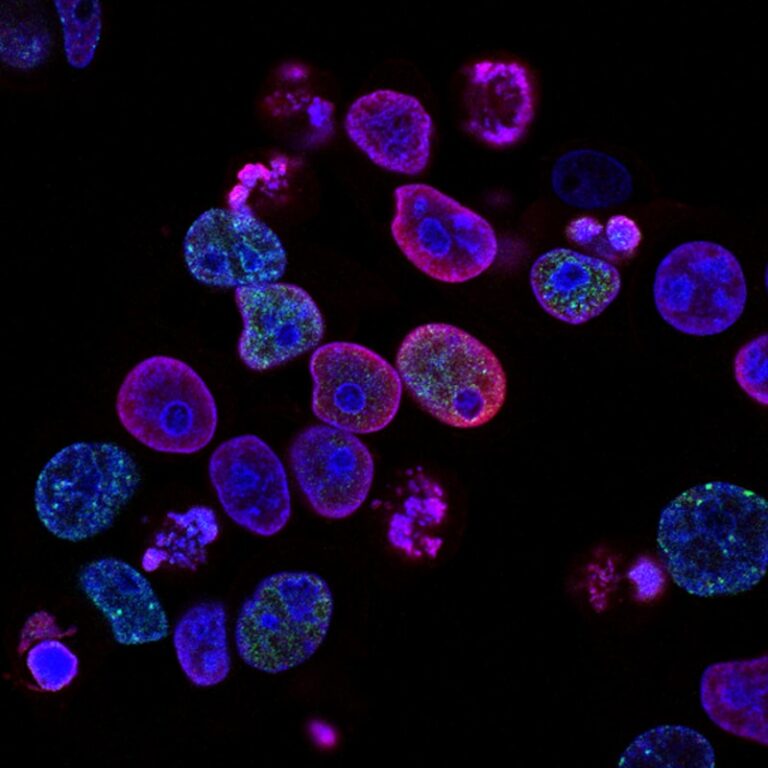
Copper peptide GHK-Cu is not hype. It is one of the few cosmetic ingredients with a forty-year paper trail showing exactly how it remodels aging skin at the molecular level. Discovered in human plasma in 1973 by Dr. Loren Pickart, this tiny tripeptide — just three amino acids bound to a copper ion — declines sharply with age. By the time you turn sixty, your plasma GHK levels have dropped to roughly twenty percent of what they were at twenty. And that drop matters because GHK-Cu is the body’s own signal for tissue repair. The question is not whether GHK-Cu works. The question is whether the version in your serum bottle can reach the right depth to do what the science says it can.

What GHK-Cu Actually Is

GHK stands for glycyl-L-histidyl-L-lysine — a tripeptide that occurs naturally in human plasma, saliva, and urine. When it binds a copper two-plus ion, it becomes GHK-Cu, and that is when the biology gets interesting. The copper is not a decorative add-on. It is the catalytic center. Without copper, the tripeptide is largely inert in skin. With copper, it activates a cascade of gene expression that touches at least four thousand human genes. Pickart’s foundational 2015 review in BioMed Research International documented this breadth — GHK-Cu simultaneously upregulates genes for collagen synthesis, elastin production, proteoglycan assembly, and antioxidant defense while downregulating inflammatory and fibrotic pathways. It is not a single-pathway ingredient like retinol or vitamin C. It is a systems-level reset signal.

The peptide is small enough — roughly three hundred forty daltons with copper — to theoretically cross the stratum corneum. But “theoretically” is the operative word. Copper carries a two-plus charge, and charged molecules face a much tougher barrier than neutral ones. More on that challenge shortly.

The age-related decline of GHK is well documented. A twenty-year-old has roughly two hundred nanograms of GHK per milliliter of plasma. A sixty-year-old has around forty. This is not a subtle drop. It is an eighty percent reduction in the body’s own tissue-repair signal. The biological logic of topical replacement follows directly: if declining GHK-Cu correlates with declining tissue repair, restoring it at the skin level should improve repair outcomes. The research backs this logic up, but the delivery mechanism — getting the peptide where it needs to go — is where most products fall short.

The Triad of Tissue Repair: How GHK-Cu Works

GHK-Cu repairs tissue through three coordinated mechanisms. No single one of them explains its effects. The triad is what makes it unique.

One: Extracellular Matrix Remodeling

The extracellular matrix, or ECM, is the scaffolding between your skin cells. It is made of collagen, elastin, and glycosaminoglycans — the molecules that give skin its structure, bounce, and hydration. As you age, this scaffolding degrades faster than your body can rebuild it. GHK-Cu flips that balance. It stimulates fibroblast cells to pump out collagen types one and three, elastin, and the small proteoglycan decorin. A 2026 study from LG Household and Health Care published in Current Issues in Molecular Biology showed that Copper Tripeptide-1 directly enhanced elastin expression and secretion in dermal fibroblasts. The researchers then combined it with elastase inhibitors and scaffold-reinforcing compounds and demonstrated visible restoration of elastic fiber architecture in UV-damaged human skin biopsies. Scanning electron microscopy confirmed the fiber network was rebuilt, not just protected.

But here is something most ingredient marketing skips. GHK-Cu does not just build. It also dismantles. Pickart’s work showed it regulates both matrix metalloproteinases, which are enzymes that break down damaged ECM proteins, and their natural inhibitors, called TIMPs. This means GHK-Cu is a remodeling coordinator, not a bulldozer or a hoarder. It clears damaged collagen to make room for fresh synthesis. That dual action — degrade old, build new — is what separates repair from scar formation.

Two: Anti-Inflammatory and Antioxidant Defense

Chronic low-grade inflammation drives skin aging. Scientists call it inflammaging. GHK-Cu suppresses it at multiple checkpoints. A 2026 study from Yunnan Botanee Bio-Technology published in the European Journal of Pharmacology tested GHK-Cu in a zebrafish larvae model of acute inflammation. The peptide significantly reduced the migration of neutrophils and macrophages to inflamed tissue. It suppressed three key pro-inflammatory cytokines — TNF-alpha, IL-one-beta, and IL-six — while boosting the anti-inflammatory cytokine IL-ten. It also cut reactive oxygen species and nitric oxide levels while improving superoxide dismutase activity. The pathway analysis pointed to JAK1 downregulation as a likely mechanism.

This anti-inflammatory effect matters for cosmetic users. UV-induced inflammation drives photoaging. Pollution-triggered inflammation drives urban skin aging. An ingredient that quiets these pathways while simultaneously rebuilding the matrix is doing two jobs that normally require separate products.

Three: Mitochondrial Protection and Cellular Longevity

This is the newest discovery and the most fundamental. A 2026 study from Yunnan University published in Biogerontology tested GHK-Cu in Caenorhabditis elegans, a microscopic worm that scientists use as a model organism for aging research. GHK-Cu extended the worms’ lifespan and improved multiple aging markers: better movement, better feeding rhythm, reduced age-pigment accumulation, and enhanced resistance to both oxidative and thermal stress. At the cellular level, GHK-Cu preserved mitochondrial membrane potential, prevented age-related mitochondrial fragmentation, and shifted mitochondrial dynamics toward fusion rather than fission. It also activated two longevity pathways — DAF-16 and SKN-1 — and upregulated the antioxidant genes sod-three, gst-four, and gcs-one.

For a skincare ingredient to show these effects at the cellular aging level is significant. It suggests GHK-Cu is not just patching wrinkles. It is addressing one of the nine hallmarks of aging — mitochondrial dysfunction — directly in skin cells. The same pathways exist in human dermal fibroblasts.

The Delivery Problem That Most Formulations Ignore

GHK-Cu is water-soluble and carries a two-plus charge from the copper ion. Your stratum corneum — the outermost layer of skin — is a lipid-rich barrier designed to keep water out and charged molecules out. This is the central paradox of peptide skincare: the molecules that signal repair cannot easily reach the fibroblasts that need the signal.

Small peptides in the three-hundred to five-hundred dalton range can theoretically penetrate intact skin. But “theoretically” does not mean efficiently. A 2025 review in the International Journal of Molecular Sciences examined acetyl hexapeptide-eight, another small cosmetic peptide, and concluded that its hydrophilicity and molecular size made effective dermal delivery challenging. GHK-Cu faces the same problem with the added complication of its copper charge. Without a delivery system — liposomes, penetration enhancers, or microneedling — most of what you apply sits on the surface and gets washed off.

This is why formulation technology matters more than ingredient concentration. A two percent GHK-Cu serum in a basic water-glycerin base may deliver less copper peptide to the dermis than a point-five percent formula encapsulated in tiered-release vesicles. The LG study used a sophisticated multi-target approach combining Copper Tripeptide-1 with elastase inhibitors and scaffold-reinforcing compounds. The Botanee study used GHK-Cu in solution for zebrafish immersion, which bypasses the barrier question entirely. For topical human use, a 2024 study in Dermatologic Surgery demonstrated that Tiered-Release Vesicles delivered large peptides two to five times more efficiently into ex vivo human skin than optimized liposomes. The delivery platform is the product. The peptide is just the payload.

Microneedling changes the equation entirely. When you create microscopic channels through the stratum corneum, peptides bypass the lipid barrier and enter the dermis directly. This is why clinical microneedling combined with GHK-Cu produces faster and more dramatic results than topical application alone. A 2026 review in Facial Plastic Surgery Clinics of North America described how fractional and energy-based microneedling platforms overcome the stratum corneum barrier to facilitate substantive dermal penetration of bioactive peptides through device-assisted drug delivery. The channel depth — typically point-five to one-point-five millimeters — reaches the papillary and upper reticular dermis, exactly where fibroblasts sit. The effect is temporary, with channels closing within hours, but those hours are a direct express lane for peptides that would otherwise spend days trying to diffuse through intact barrier lipids.

This barrier issue explains one of the most common complaints about copper peptide serums: they feel like they are not doing anything for weeks, then suddenly results appear. The lag is not the biology. The biology activates within hours of the peptide reaching fibroblasts. The lag is the physics of penetration — slow, cumulative, and concentration-dependent. Every application that reaches the dermis adds to the signal pool. Every application that sits on the surface and gets wiped off contributes nothing. Consistency is not a nice-to-have with GHK-Cu. It is the difference between the peptide working and the peptide being an expensive blue rinse.

Clinical Evidence: From Wound Beds to Wrinkle Depths

The wound healing literature is where GHK-Cu first proved itself. Pickart’s early work in the nineteen-eighties and nineties showed GHK-Cu accelerated wound closure in rats, mice, pigs, and dogs. It recruited immune cells and endothelial cells to injury sites and promoted angiogenesis — the formation of new blood vessels. A 2026 study in Materials Today Bio took this further, embedding GHK-Cu in a glucose-oxidase-loaded hydrogel for diabetic wound healing. The copper peptide activated a cascade reaction that reduced local hyperglycemia, generated oxygen from hydrogen peroxide, and simultaneously stimulated antibacterial activity, tissue repair, and new blood vessel formation. This is wound healing at the level of metabolic engineering.

In cosmetic dermatology, the evidence is smaller in scale but consistent in direction. Pickart’s 2015 review summarized the cosmetic findings: GHK-Cu tightened loose skin, improved elasticity and firmness, reduced fine lines and wrinkles, and decreased photodamage and hyperpigmentation. These were human studies using topical formulations, not cell cultures. A 2026 gerontology review in Frontiers in Aging identified GHK-Cu as one of nine therapeutic peptides with demonstrated applications in dermal regeneration and healthy aging.

The hair literature provides an interesting data point. A 2018 study from Japan published in the Journal of Clinical and Aesthetic Dermatology treated eighteen thousand nine hundred eighteen male patients with androgenetic alopecia using a combination therapy that included injectable copper tripeptide. Ninety-six percent reported satisfaction at six months. The copper peptide was one component of a multi-ingredient solution, so attribution is not clean. But the safety signal across that many patients is notable — minor complications occurred in just over four percent of cases, and no treatment-related adverse events were observed.

Expert Insight: What Experienced Formulators Know

Let me share three things that experienced peptide formulators understand and that ingredient labels rarely tell you.

First, concentration is not potency. GHK-Cu is biologically active at very low concentrations — nanomolar to low micromolar. The body’s natural plasma concentration is roughly two hundred nanograms per milliliter at age twenty. Loading a serum with two percent GHK-Cu may look good on a label, but beyond a certain threshold you are not getting more biological activity. You are just getting more blue color — GHK-Cu is intensely blue, which makes for dramatic marketing but tells you nothing about efficacy. What matters is how much reaches the dermis in active form, not how much is in the bottle.

Second, GHK-Cu degrades in water. The copper ion catalyzes oxidation reactions in aqueous solution. Over weeks to months, the peptide backbone can hydrolyze and the copper can dissociate. A freshly manufactured GHK-Cu serum and the same bottle six months later are not the same product. This is one reason lyophilized, or freeze-dried, GHK-Cu powders that you reconstitute at home have gained traction. They sidestep the stability problem entirely. But they add a compliance problem — will the average consumer mix the powder correctly and use it before it degrades?

Third, not all blue serums contain active GHK-Cu. The deep blue color of genuine GHK-Cu is easy to fake with synthetic dyes. A brand can put copper chloride and a generic tripeptide in a bottle with blue dye number one and label it “Copper Peptide Serum.” It will look identical. It will cost a fraction to produce. It will have none of the biological activity. The only reliable signal is third-party testing — a certificate of analysis from an independent lab confirming the presence and concentration of GHK-Cu at the time of manufacture. Without that, you are buying blue water.

GHK-Cu in Your Routine: Practical Context

So how do you actually use this peptide? The science points to a few practical rules.

GHK-Cu works best on clean, slightly damp skin. Apply it after cleansing and before heavier creams or oils. The water-soluble peptide needs some moisture to partition into the stratum corneum. A completely dry face reduces penetration. Give it two to three minutes to absorb before layering anything on top.

Do not mix GHK-Cu with strong acids in the same routine. Low-pH products — glycolic acid, salicylic acid, high-concentration vitamin C as ascorbic acid — can strip the copper from the peptide or alter the peptide’s charge, reducing activity. Use acids in the morning and GHK-Cu at night. Or alternate nights. Retinol and GHK-Cu can coexist in the same evening routine because retinol works through nuclear receptors while GHK-Cu works through extracellular signaling and gene expression — they operate on different tracks. But watch for irritation. Both are active ingredients with real biological effects.

GHK-Cu pairs well with other peptides. Signal peptides like Matrixyl work through a different receptor pathway — they activate TGF-beta signaling to boost collagen, while GHK-Cu modulates a broader set of repair genes. Neurotransmitter-inhibiting peptides like Argireline target muscle contraction, which is a completely separate mechanism from tissue remodeling. Using GHK-Cu alongside these other peptide classes creates complementary coverage — one rebuilds the matrix, one boosts collagen production more directly, and one reduces the mechanical stress that creates expression lines in the first place.

Expect results on a timeline of eight to twelve weeks, not days. GHK-Cu remodels tissue. Tissue remodeling is slow. The fibroblast needs to receive the signal, transcribe the genes, produce the procollagen, secrete it into the extracellular space, and then the procollagen needs to be cleaved and assembled into mature collagen fibrils. That entire pipeline takes weeks. Clinical studies on GHK-Cu typically measure outcomes at eight to twelve weeks. Anyone promising visible results in three days is selling something else.

Further Reading

Share this article

X · LinkedIn · Email

Last reviewed: July 2026. Peptide Proof Editorial Team.

Sources

Pickart L, Vasquez-Soltero JM, Margolina A. GHK Peptide as a Natural Modulator of Multiple Cellular Pathways in Skin Regeneration. BioMed Research International. 2015 volume 2015 article 648108.

Ye S, Kang S, Jeong ET, Jun SH, Kang NG. Multi-Target Restoration of Dermal Elastic Fibers Through Elastin Upregulation, Elastase Suppression, and Scaffold Reinforcement. Current Issues in Molecular Biology. 2026 volume 48 issue 5 article 431.

Hu J, Zhang C, Wang F. Glycyl-L-histidyl-L-lysine-Cu2+ Attenuates CuSO4 or LPS Induced-Inflammation in Zebrafish Larvae Model. European Journal of Pharmacology. 2026 volume 1023 article 178880.

Wen H, Zhao K, Luo X, et al. The GHK-Cu Delays Aging in Caenorhabditis elegans via Coordinated Regulation of Mitochondrial Function and Activation of DAF-16/SKN-1 Pathways. Biogerontology. 2026 volume 27 issue 3 article 100.

Huang ZJ, Huang RF, Jiao PP, et al. Copper Peptide Activated Cascade Catalysis for Glucose Regulation and Hypoxia Reversing in Infected Diabetic Wound Healing. Materials Today Bio. 2026 volume 39 article 103396.

Mavrych V, Shypilova I, Bolgova O. Therapeutic Peptides in Gerontology: Mechanisms and Applications for Healthy Aging. Frontiers in Aging. 2026 volume 7 article 1790247.

Zdrada-Nowak J, Surgiel-Gemza A, Szatkowska M. Acetyl Hexapeptide-8 in Cosmeceuticals — A Review of Skin Permeability and Efficacy. International Journal of Molecular Sciences. 2025 volume 26 issue 12 article 5722.

Moradi A, Bhatia AC, Behr K, Napekoski K, Foldvari M. In Vivo and Ex Vivo Evaluation of a Novel Method for Topical Delivery of Macromolecules Through the Stratum Corneum for Cosmetic Applications. Dermatologic Surgery. 2025 volume 51 issue 4 pages 403 to 408.

Tanaka Y, Aso T, Ono J, Hosoi R, Kaneko T. Androgenetic Alopecia Treatment in Asian Men. Journal of Clinical and Aesthetic Dermatology. 2018 volume 11 issue 7 pages 32 to 35.
Syn-Ake Explained: The Snake Venom Anti-Wrinkle Peptide

In 2026, a L’Oréal research team published clinical data showing a peptide serum reduced static wrinkles by up to sixty-nine percent in twelve weeks. The serum contained two neuropeptide inhibitors. One was acetyl hexapeptide-8 — widely known as Argireline. The other was a lesser-known molecule called dipeptide diaminobutyroyl benzylamide diacetate. Most people know it by its trade name: Syn-Ake. And it works through a mechanism that sounds like something out of a nature documentary.

Syn-Ake is a synthetic tripeptide designed to mimic a component of snake venom. It targets the same neuromuscular pathway that Botox does. But where Botox requires needles and a clinic visit, Syn-Ake works as a topical ingredient in a serum or cream. The question worth asking is simple. Does a snake-venom-inspired peptide actually relax expression lines when you put it on your skin? The science says yes — with some important caveats.

What Syn-Ake Actually Is

Syn-Ake is the trade name for dipeptide diaminobutyroyl benzylamide diacetate. It is a synthetic tripeptide developed by Pentapharm, a Swiss biotech company now owned by DSM. The peptide was designed by studying waglerin-1. Waglerin-1 is a twenty-two amino acid toxin found in the venom of the Wagler’s pit viper, a snake native to Southeast Asia. In nature, this toxin paralyzes prey by blocking nerve signals to muscles. Pentapharm’s insight was to isolate the active motif of waglerin-1 and turn it into a much smaller, stable, and safe synthetic peptide for cosmetic use.

The molecule is tiny compared to most cosmetic peptides. It has a molecular weight of roughly five hundred daltons. For reference, Argireline weighs about eight hundred ninety daltons and Matrixyl is over nine hundred. This small size matters for skin penetration. But we will get to that. What makes Syn-Ake fundamentally different from peptides like Matrixyl or GHK-Cu is its target. Most anti-aging peptides work by sending signals to fibroblasts — the cells that produce collagen and elastin. Syn-Ake does not talk to fibroblasts at all. It talks to muscle cells. And it tells them to stop contracting.

The Snake Venom Connection

Here is where the biology gets interesting. Your facial muscles contract because motor neurons release a chemical messenger called acetylcholine. Acetylcholine crosses the tiny gap between nerve and muscle — the neuromuscular junction — and docks onto nicotinic acetylcholine receptors on the muscle cell surface. This docking triggers a chain reaction of ion flow that makes the muscle fiber contract. Smile lines, crow’s feet, and forehead furrows all start right here.

Waglerin-1, the snake toxin, is a competitive antagonist of the muscle nicotinic acetylcholine receptor. In plain language: it jumps into the receptor’s docking site and physically blocks acetylcholine from binding. No acetylcholine binding means no muscle contraction. No contraction means no wrinkle formation. A landmark 1999 study in the Journal of Pharmacology and Experimental Therapeutics showed that waglerin-1 selectively blocks the epsilon subunit of the receptor. The epsilon subunit is the mature, adult form. This is why infant mice with immature receptors resist waglerin-1 but adult mice are paralyzed by it. The selectivity is precise.

Pentapharm’s chemists studied the three-dimensional structure of waglerin-1 and identified the specific amino acid sequence responsible for receptor blocking. They then synthesized a much simpler tripeptide that preserved the binding motif. The result was Syn-Ake. Unlike the full toxin — which is twenty-two amino acids long and too large to pass through skin — Syn-Ake is small enough for topical delivery. And unlike the real venom, it is non-toxic to mammals. In vitro safety studies published in 2024 confirmed the peptide had no cytotoxic or genotoxic effects at relevant concentrations.

How Syn-Ake Talks to Your Muscle Cells

Now here is the key data point. A 2024 study in the Journal of Biomolecular Structure and Dynamics mapped exactly how Syn-Ake interacts with its biological targets. The researchers used molecular docking simulations to test Syn-Ake against several matrix metalloproteinases — enzymes that break down collagen — and a longevity-associated protein called SIRT1. Syn-Ake bound to SIRT1 with a docking score of negative nine point three two kilocalories per mole. That is a strong, stable interaction. Molecular dynamics simulations over fifty nanoseconds confirmed the peptide stayed locked in the SIRT1 active site the entire time.

But the anti-wrinkle mechanism goes beyond enzyme binding. The primary mode of action is at the neuromuscular junction. Syn-Ake mimics the receptor-blocking motif of waglerin-1. It competes with acetylcholine for the nicotinic receptor’s binding pocket on the muscle cell. When Syn-Ake occupies that pocket, acetylcholine cannot land there. The ion channel stays closed. The muscle does not receive the signal to contract. The result is a measurable reduction in muscle contraction amplitude — which translates directly to softer, shallower expression lines on the skin surface.

Here is what experienced formulation chemists understand about this mechanism. The effect is concentration-dependent and reversible. Syn-Ake does not permanently paralyze the receptor. It competes dynamically with acetylcholine. As Syn-Ake molecules naturally degrade or diffuse away from the receptor site, acetylcholine regains access. This is fundamentally different from Botox. Botox enzymatically cleaves SNARE proteins inside the nerve terminal. The nerve cannot release acetylcholine at all until it grows new terminals — a process that takes three to four months. Syn-Ake wears off much faster. This is both a limitation and a safety advantage. You need to apply it daily. But you are never looking at months of frozen expression.

An additional finding from the 2024 study adds another dimension. Syn-Ake demonstrated concentration-dependent antioxidant activity in the DPPH radical scavenging assay. Free radicals contribute to skin aging by damaging collagen fibers and cellular DNA. So Syn-Ake appears to pull double duty. It relaxes expression muscles and scavenges oxidative damage. This dual mechanism helps explain why clinical studies show improvements not just in wrinkle depth but also in overall skin quality.

The SIRT1 interaction deserves its own mention. SIRT1 is a longevity-associated protein that regulates cellular stress responses and mitochondrial function. When SIRT1 is active, cells repair DNA damage more efficiently. They manage oxidative stress better. They produce more ATP — the energy currency of cells. The 2024 docking study found Syn-Ake bound to SIRT1 with stronger affinity than it bound to any of the three MMP enzymes tested. The fifty-nanosecond molecular dynamics simulation confirmed this binding was stable and persistent. Activating SIRT1 in skin cells is a well-validated anti-aging strategy. Resveratrol, a famously studied anti-aging compound, works partly through SIRT1 activation. So Syn-Ake is tapping into a pathway that the longevity research community has been studying for decades. The fact that a three-amino-acid peptide can activate this pathway while also blocking muscle acetylcholine receptors is remarkable. It is two anti-aging mechanisms packed into one very small molecule.

The Skin Barrier Problem

Peptides and skin have a difficult relationship. The stratum corneum — the outermost layer of your epidermis — is designed to keep things out. It is a densely packed layer of dead skin cells embedded in a lipid matrix. Most molecules larger than five hundred daltons struggle to cross it unassisted. Syn-Ake sits right at the threshold at roughly five hundred daltons. This gives it a theoretical advantage over larger peptide competitors. But theoretical advantage and practical performance are not the same thing.

A 2025 review in the journal BioImpacts examined the skin permeability challenges that all anti-wrinkle peptides face — including GHK-Cu and palmitoylated derivatives. The findings apply directly to Syn-Ake as well. Hydrophilic peptides dissolve well in water-based serums but partition poorly into the lipid-rich stratum corneum. This is the fundamental tension of topical peptide delivery. If a peptide is too water-loving it sits on the skin surface. If it is too fat-loving it gets trapped in the lipid layers and never reaches the living epidermis and dermis below.

The review highlighted a surprising gap in the cosmetic peptide literature. Despite the widespread use of GHK-Cu and Pal-GHK in anti-wrinkle products, published clinical studies on their skin permeability are scarce. Brands market these peptides aggressively. But the peer-reviewed data on how much actually crosses the stratum corneum is thin. The report noted that palmitoylation — attaching a fatty acid chain to the peptide — does improve permeability by making the molecule more lipophilic. But it is not a magic bullet. Palmitoylated peptides still face the lipid barrier. Chemical enhancers, cell-penetrating peptides, and physical methods like microneedling all improve the odds.

Encouragingly, new delivery technologies are changing the equation. A 2025 paper in Dermatologic Surgery described Tiered-Release Vesicles — a multilamellar delivery system that improved peptide penetration by two to five times compared to optimized liposomes in ex vivo human skin. These systems use concentric phospholipid bilayers that fuse with the stratum corneum’s own lipid matrix, creating temporary channels for peptide passage. The technology was originally demonstrated with large peptides and hyaluronic acid but the same principles apply to smaller peptides like Syn-Ake. When you see a Syn-Ake product on the shelf, the delivery system matters almost as much as the peptide concentration. A plain water-based serum with Syn-Ake at four percent may deliver less active peptide to the dermis than a liposomal formulation at two percent.

What the Clinical Data Shows

So does any of this actually work on real human faces? The strongest evidence comes from a 2026 study published in the International Journal of Cosmetic Science. L’Oréal researchers tested a serum containing Syn-Ake alongside acetyl hexapeptide-8, gluconolactone, niacinamide, and laminaria extract. The study included two clinical trials. The first measured static wrinkles — the lines visible even when your face is at rest. Fifty participants used the serum for twelve weeks. The numbers tell the story.

Static wrinkle clinical scores improved by thirty-five to sixty-nine percent depending on the wrinkle type. All results were statistically significant — p values below zero point zero zero one across the board. Dynamic wrinkles — the lines that appear with facial movement — improved by ten to thirteen percent. These are smaller numbers, but the mechanism makes sense here. Neuropeptide inhibitors reduce muscle contraction amplitude. They do not eliminate it entirely. A ten to thirteen percent reduction in wrinkle depth during expression is consistent with partial, reversible receptor blockade.

But here is what most people miss about these results. The serum showed multiple benefits beyond wrinkle reduction. Skin smoothness improved by thirty percent. Radiance went up twenty-seven percent. Pore appearance improved by forty-three percent. Elasticity increased thirty-three percent. Firmness improved thirty-six percent. Some of these effects come from the other ingredients in the formulation. Niacinamide is a well-established skin barrier enhancer. Gluconolactone is a gentle polyhydroxy acid that exfoliates. But the wrinkle improvements specifically align with what you would expect from a neuromuscular inhibitor. The ex vivo arm of the study supported this. Treated skin samples showed increased levels of collagen types one, three, four, and seventeen — along with higher elastic fiber content and reduced MMP-1 activity.

A separate 2024 study tested pure Syn-Ake peptide in vitro. The researchers measured its binding to SIRT1 and MMP enzymes, its antioxidant capacity, and its safety profile in both cytotoxicity and genotoxicity assays. The peptide passed all safety tests. It showed dose-dependent activity across all measured endpoints. This independent validation matters because the L’Oréal study used a multi-ingredient serum. You cannot attribute all benefits to Syn-Ake alone when you are testing a cocktail. The in vitro study isolates the peptide and confirms it has real biological activity.

What Experienced Teams Know

Here is the anti-pattern that catches formulators. Syn-Ake is a water-soluble peptide with a relatively short serum half-life once applied to skin. Most brands put it in a water-based serum at concentrations between one and four percent and call it a day. That approach delivers the peptide to the skin surface. But how much actually reaches the neuromuscular junction? The honest answer is: not as much as the in vitro data would suggest. This is the gap between a petri dish and a human face.

The second pitfall is the concentration race. Some brands advertise Syn-Ake at eight or ten percent, implying that higher concentration equals better results. The receptor biology does not support this logic. Syn-Ake competes with acetylcholine at the binding site. Once you have enough peptide to saturate available receptors — a threshold that depends on formulation, not just raw percentage — adding more does nothing. It is like putting ten keys in a lock that only accepts one. The extra keys just sit there. What matters more than absolute concentration is the delivery system. Does the peptide actually reach the dermal-epidermal junction in an active form? That depends on the vehicle, not the label percentage.

A third reality check concerns the timeline. Clinical studies run twelve weeks because that is how long it takes to see the full effect on static wrinkles. If you use a Syn-Ake serum for two weeks and give up because you do not look ten years younger, you have not given the mechanism enough time. The peptide needs to accumulate in the tissue, reach the neuromuscular junction, and then the skin needs time to remodel around the reduced muscle tension. This is not a next-day result. The L’Oréal study noted visible improvements starting in week one, but the magnitude was modest. The sixty-nine percent figure happens at twelve weeks.

Where Syn-Ake Fits in Your Routine

Syn-Ake plays well with others. You can layer it with signal peptides like Matrixyl. The two mechanisms do not compete. Signal peptides tell fibroblasts to make more collagen. Syn-Ake tells muscles to relax. These are complementary strategies for different aspects of skin aging. You can also pair Syn-Ake with copper peptides like GHK-Cu, though you should apply them at different times of day if both are in water-based serums. Copper can catalyze oxidation reactions that degrade other peptides if they share a vehicle for too long.

What about comparing Syn-Ake directly to Argireline? Both are neurotransmitter inhibitors. Both target expression lines. But their mechanisms differ significantly. Argireline mimics the SNAP-25 protein fragment that Botox normally cleaves. It interferes with the SNARE complex assembly inside the nerve terminal. This blocks vesicle fusion — the final step where acetylcholine is released into the synapse. Syn-Ake takes the opposite approach. It does not block release. It blocks reception. It sits on the muscle side of the synapse and prevents acetylcholine from binding. Some dermatologists suggest using both together for a more complete neuromuscular blockade. The logic is solid on paper. But clinical head-to-head data comparing the two is limited.

One final thought on product selection. Look for serums that disclose their Syn-Ake concentration — ideally between two and four percent — and pair the peptide with a penetration-enhancing delivery system. Liposomal encapsulation, microemulsions, or the newer TRV technology all improve the odds that the peptide actually gets where it needs to go. A product that simply lists dipeptide diaminobutyroyl benzylamide diacetate somewhere in the middle of an INCI list without specifying delivery technology is probably not optimized for performance.

Further Reading

Last reviewed: July 2026. Peptide Proof Editorial Team.


Sources
Zhu M, He X, Zhu Z, et al. The effect of a serum containing acetyl hexapeptide-8, dipeptide diaminobutyroyl benzylamide diacetate and gluconolactone on skin biomarkers, wrinkles and skin texture. International Journal of Cosmetic Science. 2026. DOI: 10.1111/ics.70087.
Gok B, Budama-Kilinc Y, Kecel-Gunduz S. Anti-aging activity of Syn-Ake peptide by in silico approaches and in vitro tests. Journal of Biomolecular Structure and Dynamics. 2024 volume 42 issue 10 pages 5015 to 5029.
McArdle JJ, Lentz TL, Witzemann V, et al. Waglerin-1 selectively blocks the epsilon form of the muscle nicotinic acetylcholine receptor. Journal of Pharmacology and Experimental Therapeutics. 1999 volume 289 issue 1 pages 543 to 550.
Mortazavi SM, Mohammadi Vadoud SA, Moghimi HR. Topically applied GHK as an anti-wrinkle peptide: Advantages, problems and prospective. BioImpacts. 2025 volume 15 article 30071.
Moradi A, Bhatia AC, Behr K, Napekoski K, Foldvari M. In vivo and ex vivo evaluation of a novel method for topical delivery of macromolecules through the stratum corneum for cosmetic applications. Dermatologic Surgery. 2025 volume 51 issue 4 pages 403 to 408.

Medik8推出液态肽类精华:英国专业护肤品牌如何升级其明星产品线

英国专业护肤品牌Medik8最近在其明星产品线上推出了新产品——Liquid Peptide Serum(液态肽类精华)。这款产品是Medik8对肽类成分的首次重点布局,品牌此前以维生素C系列(特别是CE-Tetra精华)和视黄醇系列(Crystal Retinal)闻名。

Medik8的选择很有意思:一个以维生素C和视黄醇为核心成分的品牌,现在决定把肽类纳入主力产品线。这反映了整个功效护肤行业的品类扩展趋势——品牌不再满足于做「VC专家」或「A醇专家」,而是在寻找第二个增长引擎。

液态肽类:肽类护肤品的新剂型方向

Medik8这次推出的产品叫Liquid Peptide Serum,而不是传统的Peptide Serum。这个「Liquid」前缀不是营销话术——它暗示产品的剂型特点:低粘度、快速吸收、适合层叠使用。

传统肽类精华的问题在于质地偏粘稠。因为肽类成分在水中溶解后,配方师通常需要加入增稠剂来稳定肽链结构,防止降解。Medik8的「液态」方向意味着他们找到了一种方式来保持肽类稳定性的同时,降低配方粘度。

从配方角度看,这通常通过两种方式实现:一是使用更短链的信号肽(分子量更低,溶解性更好),二是采用非水性溶剂体系。Medik8在英国实验室环境下开发的产品,极有可能采用了专利肽类稳定技术。

品牌产品矩阵的合理扩展

所以为什么是肽类,而不是其他成分?Medik8的产品线逻辑是:维生素C(抗氧化加早晨保护)、视黄醇(晚间抗衰老)、现在肽类(全天候胶原蛋白信号传递)。三者互不冲突,可以在同一个护肤流程中协同工作。

这个产品矩阵设计的价值在于:消费者不需要在不同品牌之间拼凑护肤步骤。如果用户的晨间流程是维生素C精华和防晒,Medik8希望他们的夜间流程加入肽类精华和视黄醇——整个routine在一个品牌内完成。

但这里有一个行业共识:肽类和维生素C在同一配方中长期共存的稳定性问题。如果Medik8建议消费者早晚分开使用(VC早上,肽类晚上),这个路线就很稳健。如果建议同一时段层叠使用,则需要看具体的pH兼容性设计。

对比Glow Recipe:两种肽类产品策略

同一天,Glow Recipe也在推出新的肽类产品。两个品牌同时押注肽类,但策略完全不同:

Glow Recipe走的是植物加肽类的复合配方路线,用仙人掌提取物来做粘液替代。Medik8走的是极简配方路线,强调「液态」剂型和与其他活性物(VC、视黄醇)的兼容性。

Glow Recipe用植物叙事吸引进阶K-Beauty用户。Medik8用配方科技吸引成分党。两条路线都成立,但Medik8的用户画像更明确:已经有VC和A醇使用习惯的功效护肤用户,需要肽类来补全抗老链路。

一款值得关注的产品。Medik8在全球市场的扩展速度正在加快,肽类精华的推出可能成为品牌在功效护肤赛道上的新增长点。

延伸阅读

分享这篇文章:
X (Twitter)
LinkedIn
Email

最后审阅:2026年7月。Peptide Proof编辑部。来源:WWD

Glow Recipe推出仙人掌肽类精华:K-Beauty品牌用植物多糖替代蜗牛粘液

K-Beauty品牌Glow Recipe近日推出了一款全新产品——Prickly Pear Peptide Mucin Serum(仙人掌肽类粘液精华)。这款精华的核心思路很明确:用植物来源的仙人掌提取物搭配肽类成分,打造一款纯素版本的蜗牛粘液精华液。

熟悉K-Beauty的人都知道,蜗牛粘液(Snail Mucin)一直是韩系护肤的经典成分。但近年来纯素护肤趋势持续升温,越来越多的消费者在寻找植物替代方案。Glow Recipe这次的选择——仙人掌提取物——恰好填补了这个空白。

仙人掌提取物:植物界的「粘液」替代方案

仙人掌(Prickly Pear)提取物在护肤领域并不陌生。它富含多糖、氨基酸和抗氧化物质,能够提供类似蜗牛粘液的保湿和修复效果。数据显示,仙人掌提取物的多糖含量与蜗牛粘液滤液非常接近,但在提取过程中无需涉及动物成分。

Glow Recipe将仙人掌提取物与肽类成分结合,形成一个双重作用体系:仙人掌多糖负责外层保湿和屏障修复,肽类深入皮肤传递信号,刺激胶原蛋白生成。这种分层策略在精华产品中并不常见——大多数肽类精华只关注信号肽的传递,很少在第一层搭配植物多糖。

肽类在K-Beauty中的角色演变

Glow Recipe加入肽类赛道,标志着K-Beauty品牌集体向肽类成分的全面倾斜。过去一年里,COSRX推出了Blue Peptide Serum系列(2026年5月),Mizon推出了7 Vegan Peptide Booster Serum(2026年6月),现在Glow Recipe也带来了自己的肽类产品。

所以这里有一个有意思的趋势:K-Beauty品牌正在用肽类成分重新定义品牌的「科技含量」。以前K-Beauty的招牌成分是蜗牛粘液、蜂胶、人参提取物这类天然成分。现在,像Glow Recipe这样的品牌正在把肽类——一种生物科技成分——作为主力卖点,同时保留植物提取物的美学叙事。

但经验丰富的配方师知道,肽类与其他活性物的复配是最容易出问题的环节。仙人掌提取物中的多糖可能影响肽类的透皮吸收率,而带正电荷的肽类可能被带负电荷的多糖分子静电吸附,降低实际递送效率。Glow Recipe是否解决了这个问题,取决于具体的配方工艺和肽类修饰技术。

「泄密营销」背后的产品策略

Glossy的行业报道指出,Glow Recipe这次采用了「泄密营销」(leak marketing)策略——在正式发布前主动「泄露」产品信息,制造消费者期待。对于一个定价在30到50美元区间的K-Beauty精华来说,这种策略需要产品本身有足够的差异化卖点。仙人掌加肽类的配方组合,确实有这个差异化的潜力。

所以这款产品针对的不是第一次买精华的入门用户,而是那些用过蜗牛粘液精华、正在寻找纯素升级版的进阶护肤爱好者。Glow Recipe的定价策略也反映了这个定位——略高于普通K-Beauty精华,但低于奢侈护肤品牌的肽类精华。

自然的问题是:纯素肽类精华的效果和传统蜗牛粘液精华相比如何?从成分逻辑来看,两种产品的核心功效路径不同。蜗牛粘液的主要活性是糖蛋白和乙醇酸,侧重保湿和温和去角质。而仙人掌加肽类的组合,保湿层面可能更精准,同时增加胶原蛋白信号通路。这不算替代关系,更像是两个方向的选择。

延伸阅读

分享这篇文章:
X (Twitter)
LinkedIn
Email

最后审阅:2026年7月。Peptide Proof编辑部。来源:Refinery29Glossy

Palmitoyl Tripeptide-1: The Copper-Free Collagen Signal

Most people in peptide skincare know about GHK-Cu. The copper peptide. The wound-healing tripeptide that shows up in serums priced anywhere from thirty to three hundred dollars. But here is what almost nobody talks about: Palmitoyl Tripeptide-1. Also known as Pal-GHK. The same core tripeptide sequence — glycyl-histidyl-lysine — with one critical difference. No copper. Instead, a sixteen-carbon fatty acid tail that changes everything about how the molecule behaves on skin.

The numbers tell an interesting story. Plasma GHK levels drop to roughly twenty percent of young adult levels by age sixty. That decline coincides with the same decades when collagen production slows and wrinkles deepen. The cosmetic industry has responded by packing GHK-Cu into everything from serums to moisturizers. But the science behind these products is thinner than most consumers realize. And the distinction between GHK-Cu and Pal-GHK — the copper-bound form versus the palmitoylated form — is one of the most under-discussed topics in topical peptide science.

What GHK Is and Why It Matters

GHK stands for glycyl-histidyl-lysine. It is a naturally occurring tripeptide found in human plasma, saliva, and urine. Discovered in 1973 by Loren Pickart at the University of Washington, GHK was initially identified as a liver growth factor. Pickart noticed something strange: plasma from young adults promoted liver cell growth in culture dishes. Plasma from older adults did not. The difference turned out to be GHK concentration.

Since then, research has revealed GHK to be one of the most versatile signaling molecules in human biology. It regulates the expression of roughly four thousand genes according to genomic studies. It stimulates collagen synthesis in fibroblasts. It promotes the production of glycosaminoglycans — the water-binding molecules that give skin its plumpness. It accelerates wound closure. It even shows angiogenic activity by promoting new blood vessel formation. A 2025 review in the journal Bioimpacts by Mortazavi and colleagues at Shahid Beheshti University of Medical Sciences in Tehran called GHK “one of the most broadly promoted peptides for topical application.”

But there is a catch. Actually, several catches. GHK has a molecular weight of just 340 Daltons — small enough on paper to cross the stratum corneum. But it is aggressively hydrophilic. The log D values measured by Badenhorst and colleagues at the University of Auckland in 2016 sit between negative 2.38 and negative 2.49 across the pH range of human skin. For context, a compound with a log D below zero has a strong preference for water over oil. The stratum corneum is overwhelmingly lipid-based. A peptide that loves water is a peptide that struggles to reach the dermis where fibroblasts live.

GHK also has a remarkably short biological half-life. In plasma, it is cleared within minutes — chewed apart by ubiquitous aminopeptidases that recognize the free N-terminal glycine. On skin, the half-life is longer but still measured in minutes to low hours. This is fine for a signaling peptide — it only needs to be present long enough to trigger a receptor cascade. But it does mean that achieving a meaningful concentration in the dermis requires either a very high applied dose, a penetration enhancer, or a chemical modification that resists degradation.

These shortcomings — poor lipid partitioning, rapid enzymatic breakdown — are exactly what palmitoylation was designed to solve. But before we get to that, there is an important fork in the road. The cosmetic industry has taken GHK in two directions. One path adds copper. The other adds a fatty acid. Understanding the difference is the key to understanding why some products work and others do not.

The Copper Question: GHK-Cu Versus Pal-GHK

Copper changes GHK in two ways. First, it forms a stable bidentate complex — the copper ion sits between the histidine and the N-terminal amine, creating a planar structure. This complex is what drives GHK-Cu’s biological activity. The copper ion itself is a necessary cofactor for lysyl oxidase, the enzyme that cross-links collagen and elastin fibers in the extracellular matrix. So GHK-Cu does double duty: it signals for more collagen production and it delivers the copper cofactor needed to assemble that collagen into functional fibrils.

Second, copper complexation slightly improves the molecule’s properties for topical delivery. But here is the thing: GHK-Cu is still highly hydrophilic. The same Auckland preformulation study found that GHK-Cu degrades under basic and oxidative conditions. It is stable in water at neutral pH for at least two weeks at sixty degrees Celsius. But real-world formulations include preservatives, emulsifiers, and pH adjusters — and GHK-Cu is less stable in the presence of negatively charged lipids like dicetyl phosphate.

Pal-GHK takes a completely different approach. Instead of adding a metal ion, it adds a palmitoyl group — a sixteen-carbon saturated fatty acid — to the N-terminus of the GHK sequence. This is the same palmitoylation strategy that turned KTTKS into Pal-KTTKS, the active ingredient in Matrixyl. And it works on the same physical principle: a hydrophobic tail improves partitioning into the lipid-rich stratum corneum.

The Mortazavi review is explicit on this point. “Metal complexation and chemical modification with a hydrophobic moiety increase permeability of this peptide,” the authors write. In plain language: both GHK-Cu and Pal-GHK penetrate skin better than bare GHK. But Pal-GHK may do it without the copper-dependent side effects that some formulators worry about.

What side effects? Copper is reactive. It participates in Fenton chemistry, generating hydroxyl radicals that can oxidize lipids, proteins, and DNA. In wound healing, this oxidative burst is actually useful — it signals macrophages and stimulates tissue remodeling. But on intact, aging skin, chronic low-level oxidative stress is exactly what we are trying to avoid. GHK-Cu at cosmetic concentrations is generally considered safe. But the theoretical concern exists, and Pal-GHK sidesteps it entirely by omitting the copper.

Now here is the signaling pathway that ties everything together. GHK and its derivatives work primarily through the TGF-beta pathway — transforming growth factor beta — which is the master regulator of extracellular matrix production in skin. When Pal-GHK reaches a dermal fibroblast, it binds to a receptor complex that activates SMAD proteins. These SMAD proteins translocate to the nucleus and switch on collagen genes: COL1A1, COL1A2 for type I collagen, COL3A1 for type III. The result is new collagen synthesis. The mechanism is elegant and well-established. But it raises a question that few product labels answer: how much of the applied Pal-GHK actually reaches a fibroblast receptor, and how long does the signal last once it does?

Palmitoylation: How a Fatty Acid Tail Solves the Penetration Problem

To understand why palmitoylation matters, you need to picture the stratum corneum. It is often described as a brick-and-mortar structure: dead corneocytes are the bricks, and intercellular lipids — ceramides, cholesterol, free fatty acids — are the mortar. Anything trying to reach the viable epidermis has to navigate this lipid mortar. Hydrophilic compounds like bare GHK bounce off the lipid layers. Lipophilic compounds slide through.

Adding a palmitoyl tail to GHK gives the peptide an amphiphilic character. The peptide head — glycyl-histidyl-lysine — remains water-soluble and biologically active. The fatty acid tail inserts into the lipid bilayers of the stratum corneum like a key into a lock, dragging the peptide head through the barrier. This is the same principle behind palmitoyl pentapeptide-4, Matrixyl, and every other palmitoylated signal peptide on the market.

But palmitoylation does more than improve penetration. It also protects the peptide from enzymatic degradation. The stratum corneum and epidermis are loaded with aminopeptidases — enzymes that chew peptides apart from the N-terminus inward. By capping the N-terminus with a palmitoyl group, Pal-GHK becomes resistant to these exopeptidases. The peptide survives longer in the skin. Its biological half-life extends from minutes to hours. A 2009 study by Chirita and colleagues at the University of Orléans, published in Analytica Chimica Acta, developed an LC-MS/MS method specifically to quantify palmitoyl peptides in cosmetic formulations — confirming that these modified peptides survive the formulation process intact and can be reliably measured in finished products.

There is also a self-assembly dimension that most people miss. A 2010 study by Castelletto and colleagues at the University of Reading, published in Chemical Communications, used small-angle X-ray scattering and cryo-TEM to show that palmitoylated matrikine peptides spontaneously form giant nanotapes in water. These are flat, ribbon-like supramolecular structures with internal bilayer organization. The palmitoyl tails pack together in the hydrophobic core while the peptide heads decorate both surfaces. This self-assembly has implications for formulation: Pal-GHK may not just be a dissolved ingredient floating in your serum. It could be forming nanoscale structures that influence how the peptide interacts with skin lipids.

Clinical Evidence: The Gap Between Market Hype and Published Data

Let me be direct about something that deserves more honesty in cosmetic science. Despite GHK, GHK-Cu, and Pal-GHK being widely used in commercial anti-wrinkle products for over two decades, the clinical trial evidence is remarkably thin. The Mortazavi review from 2025 states it plainly: “There is a surprising absence of clinical studies using them.”

Here is what we do have. In vitro studies consistently show that GHK and its derivatives stimulate collagen I, collagen III, and elastin production in cultured human dermal fibroblasts. Gene expression studies show upregulation of multiple extracellular matrix genes. Wound healing models in animals and humans show faster closure and improved tissue quality. But well-controlled, double-blind, split-face clinical trials with histological endpoints? Those are the exception rather than the rule.

The Aldag review from 2016, published in Clinical, Cosmetic and Investigational Dermatology, surveyed the landscape of growth factors, cytokines, and matrikines in commercial skincare. The authors — including researchers from Merz Pharmaceuticals — concluded that matrikines offer “the advantage of growth factor-like activities but better skin penetration due to their much smaller molecular size.” That is a solid mechanistic argument. But the review also makes clear that most evidence comes from in vitro work and small, uncontrolled human studies.

What would a definitive clinical trial for Pal-GHK look like? You would need a split-face design. One side of the face gets a Pal-GHK serum at a known concentration with a validated penetration enhancer. The other side gets the same base formulation without Pal-GHK. You would measure wrinkle depth with profilometry at baseline, four weeks, eight weeks, and twelve weeks. You would take punch biopsies at baseline and endpoint for histological analysis of collagen density and fibroblast activity. That trial has not been published. And until it is, every commercial claim about Pal-GHK’s wrinkle-reducing efficacy rests on biochemistry and hope — not on the kind of evidence that dermatologists consider decisive.

This does not mean Pal-GHK does not work. The mechanistic case is strong. GHK is an endogenous signaling molecule with well-characterized collagen-stimulating activity. Palmitoylation demonstrably improves its skin penetration. The logical chain from biochemistry to cosmetic benefit is intact. But consumers and formulators should understand that the gap between “this should work” and “this was proven to work in a randomized controlled trial” is real and worth acknowledging.

One more data point worth mentioning: Pal-GHK is not just a consumer cosmetic ingredient. It is used as an internal standard in analytical chemistry — the Chirita 2009 paper specifically used Pal-GHK as the calibration standard when measuring Pal-KTTKS Matrixyl in commercial anti-wrinkle creams. That is a small but telling sign of how well-characterized this molecule is at the analytical level, even if the clinical data lags behind.

Expert Insight: What Experienced Formulators Know About Pal-GHK

Here is the first thing experienced peptide formulators understand that newcomers miss: concentration is not a linear variable. With Pal-GHK, more is not necessarily better. The palmitoyl tail that improves skin penetration also introduces a solubility ceiling. Above roughly five hundred parts per million in a water-based serum, Pal-GHK starts to aggregate. It forms micelles, nanotapes, or larger assemblies. Whether these aggregates help or hurt delivery depends on the specific formulation.

Some formulators exploit this aggregation intentionally. If Pal-GHK forms stable nanostructures, those structures might act as sustained-release depots in the upper epidermis — gradually shedding individual peptide molecules that diffuse deeper. But that is a difficult effect to control. Most commercial products simply aim to keep Pal-GHK fully solubilized at an effective concentration.

The second thing experienced formulators know is the pH trap. Pal-GHK contains a histidine residue with a pKa around 6.0. At formulation pH below 6, the histidine side chain is protonated and carries a positive charge. Above pH 6, it is neutral. This charge state affects both solubility and skin penetration. Many anti-aging serums are formulated at pH 5.5 to 6.5 — right at the histidine transition point. A half-unit pH shift can change Pal-GHK’s behavior in the formulation by a meaningful margin.

Third, and perhaps most important for anyone comparing products: Pal-GHK and GHK-Cu are not interchangeable. They share the same tripeptide backbone. But the biological effects diverge in ways that matter. GHK-Cu delivers copper-dependent enzymatic activity that Pal-GHK cannot replicate — particularly lysyl oxidase activation for collagen cross-linking. Pal-GHK avoids the oxidative chemistry that copper introduces. Choosing between them is not about one being better. It is about matching the mechanism to the skin concern.

The formulation pitfall I see most often is stability hubris. A formulator patents a novel Pal-GHK delivery system, runs accelerated stability testing at forty degrees Celsius for three months, sees good results, and assumes the product is fine. Then real-world consumers open the bottle, expose it to air, store it in a steamy bathroom at fluctuating temperatures, and use it over six months. Pal-GHK is more stable than bare GHK — the palmitoyl cap protects against N-terminal degradation. But it is not indestructible. Water-based formulations without adequate preservative systems and airless packaging will degrade faster than most brands admit.

Where Pal-GHK Fits in a Peptide Routine

If you are building a peptide-centric skincare routine, Pal-GHK occupies a specific niche. It is a signal peptide — it tells fibroblasts to produce more collagen and extracellular matrix components. But it does this without copper, which makes it complementary to copper peptides rather than competitive with them.

Here is a practical framework. Use Pal-GHK in the morning, when you want collagen signaling without the photosensitivity concerns that copper can introduce. The palmitoyl tail makes it durable enough to survive the day on skin. Use GHK-Cu in the evening, when the oxidative activity of copper is less of a concern and when skin’s repair pathways are most active. This is not a protocol backed by clinical trials. It is a rational strategy derived from the biochemistry.

Pal-GHK also layers well with other signal peptides. There is no known antagonism between Pal-GHK and Pal-KTTKS Matrixyl — they target overlapping but distinct collagen signaling pathways. Pal-GHK primarily works through the TGF-beta pathway, while Matrixyl appears to activate a broader set of extracellular matrix genes through matrikine receptor interactions. Using both is a common strategy in multi-peptide serums.

But do not combine Pal-GHK with strong exfoliating acids in the same application. Low pH protonates the histidine in Pal-GHK and can destabilize the peptide or alter its solubility. If your routine includes glycolic acid, salicylic acid, or similar actives, apply them at a different time of day or use a buffer serum between layers.

One more thing worth knowing: Pal-GHK is often sold at premium prices despite being a relatively inexpensive raw material. The GHK tripeptide backbone is simple to synthesize. Palmitoylation is a well-established peptide chemistry step. A gram of pure Pal-GHK costs formulators somewhere in the low tens of dollars. If a thirty-milliliter serum with Pal-GHK costs over a hundred dollars, the markup has nothing to do with ingredient cost. It is brand positioning, packaging, or — in the best case — a genuinely sophisticated delivery system that justifies the price. But ask yourself: is the delivery system described in detail, or is the marketing built around the peptide name alone?

Further Reading

Last reviewed: July 2026. Peptide Proof Editorial Team.

Sources: Mortazavi SM et al., Bioimpacts 2025 volume 15 page 30071; Aldag C et al., Clinical Cosmetic and Investigational Dermatology 2016 volume 9 pages 411 to 419; Badenhorst T et al., Pharmaceutical Development and Technology 2016 volume 21 issue 2 pages 152 to 160; Castelletto V et al., Chemical Communications 2010 volume 46 issue 48 pages 9185 to 9187; Chirita RI et al., Analytica Chimica Acta 2009 volume 641 issue 1-2 pages 95 to 100.

BoomRx在A4M长寿医学大会推出肽类护肤线:当抗老护肤遇上长寿科学

肽类护肤品正在经历一次身份的转变——从一个「美容成分」进化为「健康管理工具」。2026年春季,新兴品牌BoomRx在美国抗衰老医学大会(A4M)的Longevity SpringFest展会上,正式推出了其肽类护肤产品线。这是肽类护肤品牌首次以长寿科学为定位在专业医学会议上亮相,而非传统的美容博览会或化妆品展。

A4M(American Academy of Anti-Aging Medicine)是全球最具影响力的抗衰老医学组织之一,其参展品牌多为膳食补充剂、荷尔蒙疗法和再生医学产品。BoomRx选择在此推出肽类护肤品,传递了一个清晰的信号:他们不把产品定位为化妆品,而是定位为「皮肤长寿的干预手段」。

BoomRx:肽类护肤的「长寿化」转型

这种定位转变有深刻的市场逻辑。传统护肤品的销售路径是通过美容编辑、网红推荐和百货柜台触达消费者。而「长寿健康」产品的触达路径则完全不同——由功能医学医生、抗衰老诊所和生物黑客社群推荐。两者的用户画像也不同:美容消费者追求的是「看起来更好」,长寿消费者追求的是「生理功能更年轻」。肽类成分恰好跨越了这两个需求:铜肽促进胶原合成(美容价值),同时调节细胞信号通路(生物学价值)。

那这种定位对普通消费者意味着什么呢?如果一个肽类产品通过了A4M大会的专业审核并在抗衰老医学领域获得了认可,它背后的成分选择、临床数据和质量控制标准通常比普通化妆品更严格。BoomRx选择先走医学渠道、再进入大众市场,走的正是SkinCeuticals和ZO Skin Health曾经的成功路径。

不过这里有个关键问题需要厘清:护肤品和口服长寿产品的效果不能直接类比。口服的NMN、NAD+前体等物质进入血液后可以影响全身细胞代谢,但外用肽类护肤品的作用范围仅限于表皮和真皮层。肽类不可能通过涂抹来「延长寿命」,但可以通过改善皮肤状态来「让皮肤的生物年龄更年轻」。

长寿医学与肽类护肤的交叉点

真正让长寿医学界对肽类成分感兴趣的,是肽分子在细胞通讯中的角色。肽是细胞间信号传递的介质,当年龄增长导致某些信号通路活性下降时,外源性补充特定肽类可以「提醒」细胞继续执行胶原合成、抗氧化防御等程序。这种机制与口服长寿补充剂的逻辑本质上是一致的,只是作用靶点不同。

从市场角度看,BoomRx在A4M的亮相也反映了一个更大的趋势:长寿科学正在从口服补剂延伸到局部护理。据Glossy等媒体的行业报道,肽类的整体市场需求在2026年呈爆发式增长,Google搜索增长百分之二百八十一,TikTok内容增长百分之四百五十九。但之前的增长主要由时尚媒体和美容博主驱动,BoomRx试图打开一个新的增长引擎——医学驱动的长效抗老市场。

专家视角:长寿护肤的陷阱与机会

但大多数新兴品牌容易忽视一个关键问题:肽类成分需要特定的递送系统才能穿透皮肤屏障。小分子肽(三肽、四肽)相对容易渗透,但像蓝肽这种分子量较大的铜肽衍生物,如果没有微脂囊包裹或离子导入技术辅助,停留在皮肤表面的活性成分可能高达百分之九十以上。BoomRx如果在A4M上展示了专利递送系统的相关数据,那这个产品的技术含量就远超普通肽类精华。

另一个值得关注的信号是品牌是否在使用标准化、经过临床验证的肽原料。很多新品牌使用自定义肽序列(custom peptide),虽然听起来更创新,但这些序列往往缺乏长期的毒理学和功效数据。相比之下,Matrixyl、Argireline等经过二十年市场验证的成熟肽类,其安全性和有效性证据更充分。BoomRx选择哪种策略,将直接影响产品的实际效果和用户口碑。

延伸阅读

分享这篇文章:
X (Twitter)
LinkedIn
Email

最后审阅:2026年7月。Peptide Proof编辑部。来源:Yahoo Finance

COSRX推出蓝肽Bakuchiol双重精华:Prime Day肽类护肤的年度最佳入手时机

Prime Day不仅是科技产品的狂欢,今年肽类护肤品也成为最大赢家之一。韩国护肤巨头COSRX在2026年亚马逊Prime Day期间,不仅推出了全新蓝肽Bakuchiol Plump Glow精华液,还首次将该产品与蓝肽系列其他明星单品捆绑打折,让消费者以全年最低价体验肽类护肤的前沿科技。

这个「蓝肽Bakuchiol」组合是COSRX在肽类产品线上的重要扩展。蓝肽本身是铜肽的衍生物,主要作用是促进胶原蛋白合成和修复皮肤屏障;而Bakuchiol(补骨脂酚)则是近年来最受关注的天然视黄醇替代物,具有抗炎、抗氧化的双重功效,且没有传统视黄醇的刺激性。两者的结合,意味着用户可以在同一款产品中同时获得「修复+抗老」的双重收益。

为什么COSRX在肽类赛道持续加码

COSRX早在2025年就推出了蓝肽精华液,成为K-Beauty品牌中最早布局肽类的先驱之一。根据行业数据,肽类护肤的Google搜索量在过去一年增长了百分之二百八十一,TikTok相关内容的增长更是高达百分之四百五十九。市场已经从小众成分爱好者的圈子,扩展到了大众消费群体。

COSRX选择在Prime Day推出新品,策略非常聪明。Prime Day的消费者本身就处于「主动搜索折扣」的状态,对新品接受度更高。一个刚上市就参与打折的产品,比一个原价产品更容易让消费者产生「这产品值得一试」的心理。而且七月的Prime Day正好是年中护肤囤货季,消费者对精华类产品的需求正处于全年最高点。

那蓝肽Bakuchiol到底对谁最有用呢?如果你是皮肤偏敏感、但又想尝试抗老精华的用户,这个组合可能是最温和的入门选择。传统视黄醇会导致脱皮和泛红,但Bakuchiol几乎没有这些副作用。搭配蓝肽的修复能力,敏感肌也能安心使用。

Prime Day的肽类护肤价格策略

根据COSRX在VidCon 2026上展示的推广信息,蓝肽Bakuchiol Plump Glow精华的Prime Day促销价在二十美元以内。对于一款含有铜肽衍生物和专利Bakuchiol配方的精华来说,这个价格点极具竞争力。对比同类肽类精华:SkinCeuticals的P-TIOX定价在一百美元以上,ZO Skin Health的肽类精华定价在九十美元左右——COSRX以不到五分之一的价格提供了类似的核心成分。

不过关键的问题在于:低价是否意味着低效?这里需要区分一点——品牌溢价和成分有效性是两回事。COSRX使用的是标准化的铜肽衍生物和Bakuchiol原料,其核心机制与原研品牌使用的活性成分本质相同。区别在于配方中的辅助成分(渗透增强剂、稳定剂、肤感调节剂)和品牌研发投入。对于注重成分本身的消费者来说,COSRX的性价比优势非常明显。

专家视角:肽类产品的Prime Day购买策略

但大多数人忽略了一个关键点:肽类产品对储存条件非常敏感。肽分子是蛋白质片段,在高温和光照下容易降解失活。Prime Day的包裹往往在快递车中暴晒数小时,如果收货后不及时放入阴凉处,产品效果可能大打折扣。有经验的消费者会在收到肽类精华后,第一时间检查质地和气味是否有变化,并放入冰箱冷藏储存,而不是简单地放在浴室或阳光直射的梳妆台上。

另外需要注意,肽类产品需要持续使用至少八到十二周才能看到明显效果。Prime Day买到的折扣产品如果囤积到明年才用,肽分子可能已经部分失活。建议按需购买,半年用量是合理的囤货上限。

延伸阅读

分享这篇文章:
X (Twitter)
LinkedIn
Email

最后审阅:2026年7月。Peptide Proof编辑部。来源:PR NewswireThe Mirror

UK Regulator Probes Peptide Clinics Over Unlawful Health Claims

Britain’s Medicines and Healthcare products Regulatory Agency (MHRA) has launched an investigation into peptide clinics across the UK, targeting clinics making unlawful health claims about unlicensed peptide treatments. The probe, which began in early 2026, targets clinics offering injectable peptides for anti-aging, weight loss, and performance enhancement without proper marketing authorization.

The investigation focuses on clinics advertising peptides like BPC-157, TB-500, and various GLP-1 analogs for off-label cosmetic and wellness purposes. Under UK law, peptides classified as medicinal products require a marketing authorization from the MHRA before they can be promoted for therapeutic use. Clinics found in violation face potential prosecution, fines, and closure orders.

This regulatory crackdown reflects a broader tension in the peptide market. Consumer demand for peptide-based therapies has surged — driven by social media trends, celebrity endorsements, and the explosion of GLP-1 weight loss drugs. But the regulatory framework has not kept pace. Many peptides sold in clinics and online exist in a gray zone between supplements, cosmetics, and medicines.

The MHRA action follows a similar pattern to the FDA’s increased scrutiny of peptide compounding pharmacies in the United States. In both markets, regulators are struggling to distinguish between legitimate peptide therapeutics (backed by clinical trials and proper manufacturing) and opportunistic products making exaggerated claims.

For consumers, the takeaway is straightforward. Peptides are biologically active molecules. When injected or taken as medicine, they fall under drug regulations for a reason — safety, efficacy, and quality control. Clinics making dramatic claims about unlicensed peptide treatments should be viewed with the same skepticism as any unregulated medical product.

The MHRA investigation is ongoing. Industry observers expect guidance updates within six to twelve months that will clarify which peptide products fall under medicinal regulations versus cosmetics or supplement frameworks. For now, the message from regulators is clear: the peptide market’s growth has attracted attention — and that attention comes with enforcement.

Source: Global Cosmetics News, MHRA enforcement database, April 2026