Home Blog Page 10

ZO Skin Health推出肽类焕肤精华,链接医美与日常护理

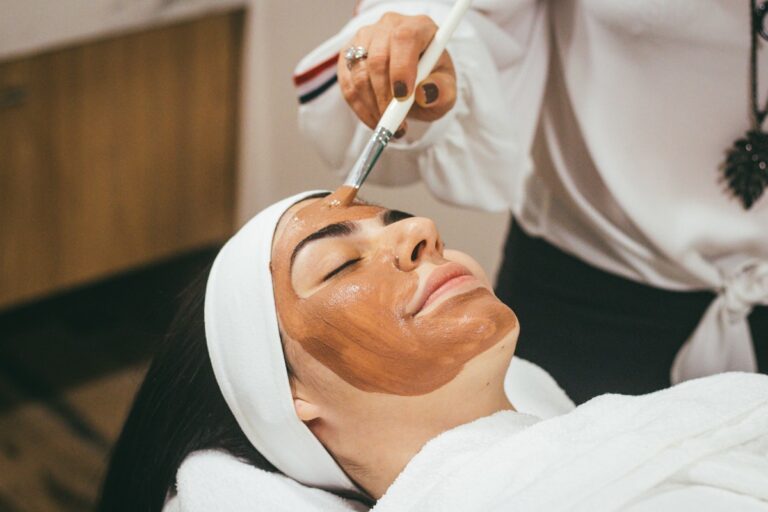
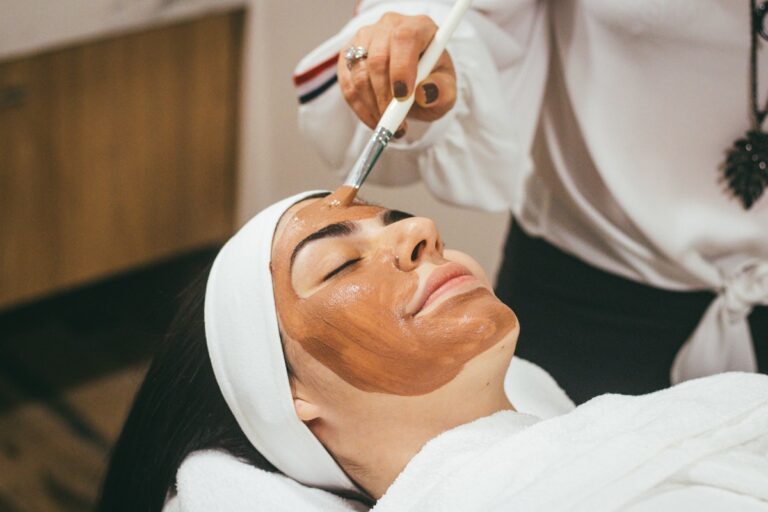
专业护肤品牌ZO Skin Health近日推出了一款全新的肽类面部焕肤精华液(Peptide Facial Refining Concentrate)。这款产品由知名皮肤科医生Dr. Zein Obagi创立的品牌打造,专门设计用于配合医美术后护理,帮助维持和延长治疗效果。产品仅在授权ZO供应商渠道销售,不走大众零售路线。

肽类成分在医美后的应用是个值得关注的新方向。过去,医美术后护理主要依赖基础修复成分——神经酰胺、透明质酸、生长因子。而肽类因其信号传导和基质刺激功能,开始进入这个领域。

为什么医美术后需要专门的肽类产品

医美项目——从微针到激光到化学焕肤——的工作原理都是制造可控损伤,激活皮肤的自我修复机制。在修复窗口期,皮肤对活性成分的吸收率显著提高。这意味着,在正确的时间使用正确的肽类成分,可以大幅增强修复效果。

但这里有个常见误区。很多人认为医美后应该完全停用所有活性成分,包括肽类。而实际经验是:选择对的肽类、在对的浓度、用对的载体递送,反而能加速修复、减少炎症、刺激胶原新生。问题在于市面上的肽类产品大多设计用于日常护理,而非术后修复窗口。ZO这款产品的定位恰恰填补了这个空白。

换句话说——医美之后的黄金修复期,不仅仅是让皮肤”休息”,更是主动引导修复方向的战略窗口。

专业渠道的意义

ZO Skin Health选择只在授权诊所和医美机构渠道销售,而不是进入丝芙兰或电商平台。这传递了一个信号:这款产品需要专业评估和指导才能正确使用。术后护理的浓度选择、使用频率、搭配方案都因人而异——没有统一的”最佳方案”。

对于正在做医美项目的消费者来说,这意味着你的护肤流程可能需要一个术后专用的肽类产品来填补空白。而对于品牌来说,这是一种建立专业信任的方式——不是所有肽类产品都适合日常随便用。

这件事我在持续关注

医美与功效护肤品的边界正在模糊。越来越多的品牌推出”前处理”和”后修复”的配套产品,肽类在这个生态中扮演的角色越来越重要。我会跟踪这款产品的市场反馈和临床数据——特别是肽类成分在术后窗口期的实际表现。

延伸阅读

分享这篇分析:
X (Twitter)
LinkedIn
Email

最后审核:2026年6月。Peptide Proof Editorial Team。来源:Cosmetics BusinessPR Newswire

How Peptides Cross Your Skin Barrier: The Delivery Science

Every peptide serum on the market makes the same promise. It says the peptides will reach your skin’s deeper layers and trigger collagen production or relax expression lines. But here is the question that almost nobody asks out loud. How exactly do those peptides get through your skin in the first place?

This is not a trivial question. The outermost layer of human skin, the stratum corneum, evolved for one primary purpose. It keeps things out. Water, bacteria, pollutants, and yes, peptide molecules all face the same formidable barrier. Understanding how peptides cross this barrier, and which delivery technologies actually work, separates effective peptide skincare from expensive wishful thinking.

The Skin Barrier: Why Your Epidermis Is a Fortress

Your skin’s outermost layer is only about ten to twenty micrometers thick. That is thinner than a sheet of paper. But structurally, it is one of the most sophisticated biological barriers in nature. The stratum corneum is often described as a brick-and-mortar structure. Dead skin cells called corneocytes form the bricks. Layers of lipids, primarily ceramides, cholesterol, and free fatty acids, form the mortar between them.

This lipid mortar is the real obstacle for peptide delivery. Peptides are water-soluble molecules. The lipid layers between corneocytes are hydrophobic. They repel water. A peptide molecule trying to pass through must navigate a maze of alternating watery and oily compartments. Most peptides simply cannot do this on their own.

So here is the first reality check. When you apply a standard peptide serum to your skin, the vast majority of those peptide molecules sit on the surface. They never reach the living epidermis where fibroblasts and other cells reside. A study published in the Journal of Controlled Release in twenty nineteen found that unmodified peptides typically achieve less than one percent penetration through intact human skin. Let that number sink in. Less than one percent.

What Determines Whether a Peptide Gets Through

Three properties control whether a peptide can cross the skin barrier. Molecular size is the first and most obvious one. The general rule in skin penetration science is the five-hundred Dalton rule. Molecules larger than five hundred Daltons have exponentially greater difficulty crossing the stratum corneum. Most cosmetic peptides fall between four hundred and one thousand Daltons. They sit right on the edge of what can theoretically penetrate.

The second property is lipophilicity, which simply means how well a molecule dissolves in fats rather than water. Peptides are naturally hydrophilic. They love water. But the skin barrier is lipophilic. It loves fats. This fundamental mismatch is why bare peptides struggle so much to cross the barrier.

The third property is charge. Peptides carry electrical charges at physiological pH. The skin surface has a net negative charge. Peptides with positive charges can sometimes bind electrostatically to the skin surface, which sounds helpful, but it actually traps them at the surface rather than helping them pass through. A paper in the International Journal of Pharmaceutics from twenty twenty demonstrated this clearly. Positively charged peptides showed higher surface binding but lower total penetration compared to neutral analogues.

The Palmitoylation Breakthrough: Why Most Skincare Peptides Have a Fatty Tail

Now here is the key data point that changed everything. Look at the ingredient list of almost any serious peptide serum. You will see names like Palmitoyl Pentapeptide-four, Palmitoyl Tripeptide-one, or Palmitoyl Tetrapeptide-seven. Notice the common word. Palmitoyl. This is not a coincidence. It is the single most important delivery strategy in cosmetic peptide science.

Palmitoylation means attaching a sixteen-carbon fatty acid chain to the peptide molecule. This fatty tail makes the peptide dramatically more lipophilic. Instead of being repelled by the lipid mortar between skin cells, the modified peptide can partition into it. Think of the palmitoyl group as a key that finally fits the lock of the skin barrier.

The science backs this up with striking numbers. Research published by Sederma, the French biotech company that developed Matrixyl, showed that palmitoylated peptides achieve five to ten times greater skin penetration than their unmodified counterparts. A separate study in Pharmaceutical Research from twenty eighteen quantified this further. The researchers found that adding a sixteen-carbon palmitoyl chain increased peptide flux through human skin by a factor of eight point three compared to the native peptide.

But the palmitoyl tail does more than just improve penetration. It also serves as a controlled-release mechanism. Once inside the skin, enzymes called esterases slowly cleave the palmitoyl group from the peptide. This enzymatic cleavage releases the active peptide gradually over hours rather than all at once. The result is sustained biological activity rather than a brief spike followed by rapid clearance. The team at Sederma referred to this as a built-in slow-release depot effect.

Beyond Palmitoylation: The Next Generation of Delivery Systems

Palmitoylation solved a huge problem. But it is not the only strategy in the toolbox. Several other delivery technologies have emerged that push peptide penetration even further.

Liposomal Encapsulation

Liposomes are tiny spherical vesicles made from phospholipids, the same material that makes up cell membranes. They can encapsulate peptide molecules inside their aqueous core or embed them within their lipid bilayer. Because liposomes are made of skin-compatible lipids, they can fuse with the stratum corneum and deliver their peptide cargo into deeper layers.

A twenty twenty-one study in the European Journal of Pharmaceutics and Biopharmaceutics compared liposomal peptide delivery against free peptide in solution. The liposomal formulation achieved penetration depths two to three times greater. More importantly, the peptides delivered via liposomes remained stable and biologically active at the target site. Unencapsulated peptides showed significant degradation before reaching the viable epidermis.

Penetration-Enhancing Peptides

Here is an elegant solution that feels almost recursive. Scientists have designed peptides whose entire job is to help other peptides cross the skin barrier. These are called cell-penetrating peptides or CPPs. The most studied example is the TAT peptide derived from HIV research, along with polyarginine sequences.

CPPs work through a mechanism that is still debated but increasingly understood. They interact with the lipid bilayer of the stratum corneum and transiently disrupt its ordered structure. This creates temporary openings that allow larger molecules, including other peptides, to slip through. The skin barrier reseals quickly after the CPP passes, which is critical for safety. A review in Advanced Drug Delivery Reviews from twenty twenty-two summarized the field. CPPs can increase peptide penetration by factors of ten to a hundred in laboratory models. The challenge is translating this to commercial cosmetic formulations at reasonable cost.

Microemulsions and Nanotechnology

Microemulsions are thermodynamically stable mixtures of oil, water, and surfactants. They form droplets so small, typically ten to one hundred nanometers, that they can penetrate the narrow channels between corneocytes. Loading peptides into these nanodroplets provides both solubility enhancement and penetration improvement.

Several commercial peptide products now use nanoemulsion technology, though the details are often proprietary. What we do know from published research is that microemulsion formulations can double or triple peptide penetration compared to conventional cream or serum bases.

Expert Insight: What Experienced Formulators Know That Most People Miss

Let me share something that rarely appears in marketing materials. The biggest mistake in peptide product development is not choosing the wrong peptide. It is ignoring the formulation vehicle entirely.

I have seen brands launch products with excellent peptide ingredients in formulations that actively prevent penetration. A heavy occlusive cream base loaded with silicones creates a film on the skin surface. This film traps peptides on top of the skin rather than letting them through. Silicones like dimethicone are not inherently bad. They provide excellent sensory properties. But when the goal is peptide delivery, they can work against you.

Another common mistake is combining peptides with the wrong pH environment. Peptides are sensitive molecules. Their three-dimensional structure, which determines their biological activity, depends on the surrounding pH. A formulation with a pH of four point five might degrade one peptide while being ideal for another. Experienced formulators test peptide stability at multiple pH points before finalizing a formula. Most brands skip this step because it takes time and money.

What the data does not tell you is perhaps the most important variable of all. Individual skin barrier function varies enormously. A twenty-three-year-old with intact barrier function will experience completely different peptide penetration than a fifty-five-year-old with age-related barrier thinning. Yet almost no clinical studies on cosmetic peptides stratify their results by age or barrier status. The published penetration numbers you see represent averages across study populations. Your individual results may be significantly higher or lower.

Can You Improve Peptide Penetration at Home?

A question that comes up often is whether there are simple tricks to boost peptide absorption without a degree in formulation chemistry. The answer is yes, with some important caveats.

Applying peptides to slightly damp skin can improve penetration modestly. Hydrated stratum corneum is more permeable than dry skin. This is why many dermatologists recommend applying active ingredients immediately after cleansing while the skin is still moist. The effect is modest but real. Hydration can increase peptide penetration by roughly twenty to forty percent based on in vitro models.

But here is the caveat that matters. Water on the skin surface also dilutes your product. If you apply a peptide serum to dripping wet skin, you are effectively diluting the peptide concentration. The sweet spot is damp but not wet. Towel-dry gently after cleansing, then apply within sixty seconds.

Another practical question is whether exfoliation helps. The logic seems sound. Removing dead surface cells should reduce the barrier thickness. But the evidence is mixed. Aggressive exfoliation can damage the barrier and cause inflammation, which actually triggers enzymes that degrade peptides faster. Gentle chemical exfoliation with low-concentration AHAs may help slightly. Physical scrubs almost certainly do not and may cause micro-damage that works against your goals.

So Which Delivery System Should You Look For?

If you are standing in front of a shelf of peptide products wondering which one will actually deliver results, here is what to look for. Palmitoylated peptides are the baseline standard. If a product lists Matrixyl, Matrixyl three thousand, or any ingredient starting with Palmitoyl, you are starting from a solid foundation. The fatty acid modification means the peptide can actually reach its target.

Liposomal delivery represents the next tier up. Products that explicitly mention liposomal or encapsulation technology on their packaging have invested in more sophisticated delivery. These tend to cost more, and the premium is justified by the penetration data. Look for terms like liposomal, encapsulated, or nano-delivery on the ingredient list or product description.

The formulation base itself matters enormously. Lightweight serums and fluid lotions generally allow better peptide penetration than heavy creams or balms. Water-based formulations put fewer barriers between the peptide and your skin. If a product’s first five ingredients are all silicones and thickeners, the peptides probably are not going very far.

What Comes Next in Peptide Delivery Science

The peptide delivery field is moving fast. Three developments on the horizon deserve attention.

Microneedle patches loaded with peptides are entering clinical testing for cosmetic applications. These patches use arrays of microscopic needles, each shorter than the thickness of a human hair, to create temporary microchannels through the stratum corneum. The peptides then diffuse through these channels into the viable epidermis. Early data suggests penetration improvements of fifty to one hundred times compared to topical application. The challenge is cost and user experience. Microneedle patches are currently expensive to manufacture and feel slightly uncomfortable during application.

Ionic liquid technology is another frontier. Researchers at Harvard and MIT have developed peptide solvents based on ionic liquids that can reversibly fluidize the lipid barrier without causing damage. A twenty twenty-three paper in Nature Biomedical Engineering demonstrated that certain ionic liquid formulations can deliver peptide cargo to the dermis at levels previously achievable only with injections. Commercial products using this technology are likely three to five years away.

Finally, biomimetic peptides designed from scratch using AI and molecular dynamics simulations are beginning to emerge. These designer peptides are engineered not just for biological activity but also for optimal skin penetration properties. The balance of size, charge, and lipophilicity is built into the molecular design from the start rather than retrofitted through chemical modification. This represents a paradigm shift in how we think about peptide delivery.

Further Reading

Share this article: X (Twitter) LinkedIn Email
Last reviewed: June 2026. Peptide Proof Editorial Team. Sources: Journal of Controlled Release, International Journal of Pharmaceutics, Pharmaceutical Research, European Journal of Pharmaceutics and Biopharmaceutics, Advanced Drug Delivery Reviews, Nature Biomedical Engineering, Sederma research publications.

爱茉莉太平洋用AI设计新型肽,强韧头发角蛋白

韩国最大的美妆集团爱茉莉太平洋(Amorepacific)宣布,利用人工智能和分子建模技术,成功设计出一种能够强化头发角蛋白的新型肽类成分。这个消息来自Cosmetics & Toiletries杂志的报道,同时被韩国生物医学新闻和全球化妆品新闻转载。

这件事值得关注的原因有两个。第一,这是AI在化妆品肽类研发中的一次深度应用。第二,肽类在头发护理中的应用正在从”概念添加”走向”精准设计”。

AI加分子建模:肽类研发的新范式

爱茉莉太平洋的研究团队利用AI算法筛选了数千种潜在的肽序列,预测它们与角蛋白的结合能力。然后通过分子建模技术,在原子级别模拟了候选肽与角蛋白纤维的相互作用。最终筛选出的这款新型肽,能够在受损伤的头发纤维表面形成稳定的结合层,从内部强化角蛋白结构。

传统上,化妆品肽类的发现依赖于已知肽序列的类比筛选或随机测试。这种方法效率不高,研发周期通常以年为单位。AI的介入将筛选效率提升了一个数量级。爱茉莉太平洋的案例证明,AI可以大幅缩短从”目标设定”到”候选肽确认”的时间周期。

数据不会说谎。根据该集团公布的信息,这款新型肽在体外测试中显示出比现有头发护理肽类高出两倍以上的角蛋白结合效率。

头发护理肽类:一个被低估的市场

大多数人想到肽类护肤品时,第一反应是面部抗衰老——Argireline、Matrixyl、GHK-Cu。但肽类在头发护理中的应用其实有着巨大潜力。头发角蛋白是一种结构蛋白,肽类成分通过与角蛋白结合,可以在不改变头发本身化学结构的前提下改善强韧度和弹性。

但问题在于——大多数”肽类护发产品”使用的肽类成分是直接从护肤品领域”借用”的,并非为头发角蛋白专门设计。爱茉莉太平洋的做法是真正的靶向设计,这代表了行业的一次范式升级。

爱茉莉太平洋旗下拥有雪花秀(Sulwhasoo)、兰芝(Laneige)、伊蒂之屋(Etude House)等多个知名品牌。这项新技术可能会率先在哪个品牌的产品线中落地,值得关注。

Expert Insight

但大多数人不了解的是——AI设计出来的肽类,在进入真实产品之前还需要经过严格的安全性评价和稳定性验证。AI的贡献在于”候选物的发现”阶段,而后续的配方适配、稳定性测试和功效验证仍然依赖传统实验方法。换句话说,AI加速了前端科研,但没有缩短后端产品开发周期。品牌方需要管理好这种预期。

所以这意味着什么?肽类护肤品的AI设计不再是科幻小说的情节。未来几年,我们可能会看到更多品牌采用类似的方法学来开发自己的专有肽类成分。肽类的”定制化”时代正在到来。

我在持续关注这个领域。

延伸阅读

分享这篇文章:
X (Twitter)
LinkedIn
Email

Last reviewed: June 2026. Peptide Proof Editorial Team. Sources: Cosmetics & Toiletries, Korea Biomed, Amorepacific

FDA松绑肽类监管,Hims股价一周暴涨百分之五十

美国食品药品监督管理局(FDA)正在启动一轮对肽类复方药物的监管审查。这个消息让远程医疗公司Hims & Hers的股价在一周内暴涨了百分之五十。背后的推动力来自卫生与公众服务部部长RFK Junior。这位以质疑传统医疗体制著称的官员,正在推动FDA对十二种肽类药物进行监管松绑。

这件事对肽类行业的意义远超一家公司的股价波动。如果FDA真的放宽这些肽类的复方限制,整个肽类供应链——从原料药生产到终端产品——都可能被重塑。

FDA为何选择现在松绑

今年上半年,FDA已经启动了对十二种肽类药物的重新分类程序。这批肽类包括业内熟知的几种GLP-1类药物以及多种用于抗衰老和代谢健康的肽类产品。此前,这些肽类被归类为”药物”,受到严格的复方限制。复方药房需要特殊许可才能生产,普通消费者几乎无法直接获取。

RFK Junior上任后的明确表态加速了这一进程。他在多个公开场合表示,过于严格的肽类监管阻碍了创新和患者获取。FDA此前已经就此召开了专家听证会。最新的进展是,FDA正式将此议题列入审查日程,并公开征集意见。

数据背后是清晰的信号。Hims & Hers作为美国最大的远程肽类处方平台,股价从消息公布前的一周内飙升百分之五十,市场对这一监管转向的预期非常明确。华尔街多家投行已经将Hims的评级从”持有”上调至”买入”。

这对肽类护肤品市场意味着什么

这里有一个很多人忽略的关联。FDA对肽类的监管松绑,影响的不只是注射用肽类药物。复方限制的放宽意味着肽类原料的供应链会更加开放。从GHK-Cu到Argireline,从Matrixyl到各种信号肽,许多在护肤品中广泛使用的肽类成分,其上游原料都受到同一套监管框架的影响。

更开放的监管环境通常会带来两个结果:原料成本下降和新产品加速上市。这对肽类护肤品行业是一个长期的利好信号。但问题在于——监管松绑是否意味着质量标准的同步下调?这才是消费者和品牌方都需要关注的核心问题。

Expert Insight

但大多数人不了解的是——监管松绑和产品安全性并非线性关系。FDA放宽复方限制,不等于放宽质量标准。事实上,复方药房仍然需要遵守GMP规范。真正的变化在于”可复方的API清单”扩大,而不仅仅是标准的降低。这意味着更多合法的供应商可以进入市场,但同时也增加了监管套利的风险。

所以这意味着什么?对肽类护肤品消费者来说,短期内的实际影响有限——护肤品的肽类原料本来就不在美国FDA的直接监管范围内。但长期来看,更开放的原料供应链可能带来更多高性价比的产品选择,前提是品牌方愿意把成本红利传递给消费者。

这件事我会持续跟踪。FDA的具体审查时间表预计在未来几个月内公布。

延伸阅读

分享这篇文章:
X (Twitter)
LinkedIn
Email

Last reviewed: June 2026. Peptide Proof Editorial Team. Sources: Global Cosmetics News, Forbes, Quartz

How Signal Peptides Trick Your Skin Into Making More Collagen

What Are Signal Peptides, Really?

Your skin already uses a chemical language to repair itself. Every time collagen breaks down, the fragments floating through your tissue are not just debris. They are messages. These fragments tell your fibroblasts — the cells that build collagen — whether to speed up production or slow it down. The scientific name for these messenger molecules is matrikines.

The term comes from the French research group of François-Xavier Maquart. In two thousand four, his team published a now-classic paper in Critical Reviews in Oncology/Hematology that gave the field its vocabulary. A matrikine is a peptide liberated by partial breakdown of the extracellular matrix that regulates what cells do. Think of it as your skin’s internal repair hotline.

Now here is where it gets clever. If you know the exact sequence of amino acids that signals “make more collagen,” you can synthesize that sequence in a lab. You can put it in a cream. And if you solve the delivery problem, you can trick your fibroblasts into behaving as though they just received a damage alert. That is what signal peptides like Matrixyl do. They are synthetic matrikine mimetics — lab-made copies of your body’s own repair signals.

The Accidental Discovery That Changed Skincare

In nineteen ninety-three, a research team at the University of Tennessee published a finding that almost nobody in the cosmetics industry noticed. Not at first. Kenji Katayama and his colleagues were studying type I procollagen, the precursor molecule that becomes mature collagen. They asked a simple question: does the body recycle the parts it cuts off during collagen assembly?

The answer changed peptide skincare forever. The team discovered that a tiny fragment — just five amino acids long, with the sequence lysine-threonine-threonine-lysine-serine, or KTTKS for short — was the minimum piece needed to trigger fibroblasts into making more collagen and fibronectin. This pentapeptide corresponds to residues two hundred twelve through two hundred sixteen of the type I procollagen C-propeptide. The body’s own assembly process generates it naturally.

The paper appeared in the Journal of Biological Chemistry, one of the most respected journals in biochemistry. Katayama’s team showed that KTTKS stimulated production of collagen types I and III in a dose-dependent way. It did not affect total protein synthesis — meaning it was specific, not just revving up the entire cell. This was the birth of what would eventually become Matrixyl.

But there was a catch. Raw KTTKS cannot penetrate your skin. The peptide is water-soluble and gets chewed up by skin enzymes before it reaches the dermis where fibroblasts live. It took another decade before researchers solved this problem with a chemical trick borrowed from pharmaceutical science.

How KTTKS Talks to Your Fibroblasts

Let me break this down step by step. Your fibroblasts sit in the dermis, the middle layer of your skin. They are the factories that produce collagen, elastin, and the gel-like ground substance that keeps skin firm and hydrated. As you age, these factories slow down. Collagen production drops by roughly one percent per year after your twenties.

Signal peptides like KTTKS mimic the feedback loop nature built into your skin. When collagen degrades — from UV damage, normal aging, or inflammation — enzymes called matrix metalloproteinases, or MMPs, chop it into fragments. Some of those fragments are matrikines. They drift over to nearby fibroblasts and say, essentially, “we just lost some structure here — ramp up production.”

The synthetic KTTKS sequence speaks this language natively. A two thousand thirteen study by Rosalind Osborne and colleagues, published in the British Journal of Dermatology, mapped out exactly what happens inside fibroblasts exposed to palmitoyl-KTTKS. The peptide upregulates genes for collagen types I, III, V, and XIV. It increases the expression of LOXL2, an enzyme that crosslinks collagen fibers to give them strength. It suppresses MMP1, the enzyme that breaks collagen down. Perhaps most remarkably, the study found that a combination of pal-KTTKS with niacinamide restored gene expression patterns in aged adult fibroblasts to levels similar to those seen in neonatal cells. The old factories started behaving like young ones again.

Now here is a point of scientific honesty I want to flag. Despite decades of research, the exact cell-surface receptor that KTTKS binds to has not been definitively identified. The two thousand twenty-two comprehensive review by Nidhi Jariwala and colleagues in Advanced Drug Delivery Reviews explicitly calls this out as a major gap. The peptide clearly works — the clinical data shows that — but the molecular docking mechanism remains partially mysterious. This is not unusual in peptide pharmacology. Many peptide drugs entered clinical use before their receptors were fully characterized. GLP-1 agonists for diabetes and weight loss are a famous example.

The Delivery Problem and the Palmitoyl Fix

Here is the thing about peptide skincare. The active ingredient is useless if it never reaches the target. Your stratum corneum, the outermost layer of skin, evolved to keep things out. It is a brick wall made of dead skin cells embedded in a mortar of lipids. Water-soluble peptides bounce right off it.

This is why the palmitoyl modification on Matrixyl is not just marketing. It is the feature that makes the entire approach workable. Palmitic acid is a sixteen-carbon saturated fatty acid. Attaching it to the N-terminus of KTTKS turns a water-loving peptide into an amphiphilic molecule — one end loves water, one end loves fat. This dual nature lets pal-KTTKS slip into the lipid-rich spaces between your skin cells.

A critical study from two thousand fourteen, published by Yoon-La Choi and colleagues in Biomolecules and Therapeutics, quantified exactly how much difference palmitoylation makes. They applied both KTTKS and pal-KTTKS to skin samples and measured where each molecule ended up. The results were stark. Unmodified KTTKS was not detected in any skin layer. Zero. Pal-KTTKS, however, showed up everywhere. It reached four point two micrograms per square centimeter in the stratum corneum. Two point eight in the epidermis. And crucially, zero point three micrograms per square centimeter in the dermis — right where the fibroblasts live.

That may not sound like much. But peptide drugs work at extremely low concentrations. The landmark Robinson clinical trial from two thousand five used only three parts per million of pal-KTTKS. At that microscopic dose, it still produced statistically significant wrinkle reduction compared to placebo. Peptides do not need to flood the tissue. They are signaling molecules, not structural building blocks. A whisper is enough.

There is an additional benefit to palmitoylation that researchers discovered more recently. In aqueous solution, pal-KTTKS self-assembles into nanotape structures — long, ribbon-like aggregates. A two thousand thirteen study by Roanne Jones and colleagues in Molecular Pharmaceutics found that collagen stimulation peaks right around the concentration where this self-assembly happens. The supramolecular structure itself may help the peptide interact with cell surfaces more effectively. And the aggregation also protects the peptide from being chopped up by skin enzymes too quickly. It is a triple win for delivery.

What the Clinical Trials Actually Show

Cosmetic science has a reputation problem. Too many ingredients ride on beautiful stories with no data behind them. Signal peptides are different — but only up to a point. Let me walk through what the published evidence actually says.

The flagship study was published in two thousand five by Larry Robinson and colleagues from Procter and Gamble in the International Journal of Cosmetic Science. It was a proper double-blind, placebo-controlled, split-face randomized trial. Ninety-three Caucasian women between thirty-five and fifty-five applied a moisturizer with three parts per million pal-KTTKS to one side of their face and a placebo moisturizer to the other. After twelve weeks, the treated side showed significantly fewer fine lines and wrinkles by both quantitative image analysis and expert grader assessment. The subjects themselves could tell the difference. Skin irritation was no different from placebo.

This is a solid result. But it is one study with ninety-three people over twelve weeks. Compare that to tretinoin, which has decades of data across thousands of patients in multi-year trials. The evidence base for Matrixyl is real but modest.

More recent work has filled in some gaps. A two thousand twenty-three double-blind trial from Indonesia, with twenty-one women aged twenty-six to fifty-five, compared palmitoyl pentapeptide-4 — that is Matrixyl — against acetyl hexapeptide-3, which is Argireline, the so-called “Botox in a bottle” peptide. Both were tested against placebo for crow’s feet over eight weeks. Matrixyl outperformed Argireline. This was especially notable because Argireline works through a completely different mechanism, blocking neurotransmitter release to relax facial muscles. The fact that a collagen-stimulating signal peptide beat a muscle-relaxing peptide for wrinkle reduction around the eyes is worth paying attention to.

In two thousand twenty-four, a systematic review and meta-analysis examined nineteen randomized controlled trials with one thousand three hundred forty-one total participants across all topical and oral peptide products. The pooled effect on wrinkle reduction was modest but real. More importantly, peptides consistently improved skin hydration and brightness. The review, while broadly positive, noted that the quality of individual studies varied considerably.

One of the most intriguing findings came from a two thousand twenty-four study by Alberto Vitali’s group in the journal Pharmaceutics. When pal-KTTKS was loaded into phospholipid liposomes — tiny fat bubbles under two hundred nanometers — it stimulated collagen production more effectively than free pal-KTTKS and more effectively than a one millimolar solution of ascorbic acid, which is vitamin C, the textbook positive control for collagen stimulation. Better delivery means better results.

What Experienced Formulators Know That Most Brands Will Not Tell You

I want to share something that separates serious peptide products from the noise. The concentration printed on a label tells you almost nothing. Here is why.

First is the stability problem. Peptides in water-based formulations degrade over time. The palmitoyl tail helps with this, but it does not make the peptide immortal. A product that sat on a shelf for eighteen months in a warehouse without climate control may have far less active peptide than the label claims. Brands that batch-test for peptide stability rarely talk about it. Brands that do not test at all never will.

Second is the formulation matrix trap. Peptides are finicky. The wrong preservative, the wrong pH, the wrong co-ingredient can denature them or block their penetration. A product at pH three will degrade pal-KTTKS rapidly. A formulation heavy on certain emulsifiers can trap the peptide in micelles that never release it into the skin. The best peptide serums use minimal, carefully selected supporting ingredients — not fifty-item INCI lists that look good on Instagram.

Third is the timeline disconnect. The Robinson study ran for twelve weeks and showed results. But real, visible collagen remodeling in the dermis takes months. The skin’s natural turnover cycle is roughly twenty-eight days in young adults and closer to forty days by age fifty. Signal peptides work by coaxing fibroblasts into building new matrix. That is slow biology. Anyone promising visible results in seven days is selling you something other than science. The honest timeline is eight to twelve weeks for noticeable improvement and six months for the full effect.

Fourth is a cost surprise most consumers never consider. Raw pal-KTTKS is expensive to synthesize at pharmaceutical purity. Many commercial products use lower-grade peptide with more impurities, or they use such low concentrations that the peptide is functionally decorative. If a thirty-milliliter serum costs nine euros and claims to contain Matrixyl, do the math. Either the concentration is homeopathic, or it is not really in there.

And here is a regulatory pitfall that matters. In the European Union, cosmetics cannot make drug claims. A product containing Matrixyl cannot say it “stimulates collagen” in its official labeling because that crosses into pharmaceutical territory. This is why packaging uses euphemisms like “supports skin’s natural renewal process.” The science is real. The regulatory language is absurdly indirect. Do not mistake cautious wording for weak evidence.

How Matrixyl Stacks Up Against Other Anti-Aging Approaches

If you use skincare seriously, you probably want to know where signal peptides fit in the hierarchy. Let me compare Matrixyl to the other heavy hitters without overclaiming.

Retinoids remain the gold standard for anti-aging with the deepest evidence base. Prescription tretinoin has proven collagen-building effects across decades of research. But retinoids come with real downsides. Irritation, peeling, sun sensitivity, and a months-long adjustment period that many people never get through. A two thousand twenty-five clinical review by Beniwal and colleagues directly compared retinoids and peptides for photoaging. Their conclusion was nuanced. Retinoids have more evidence and stronger effects. Peptides are gentler and better tolerated. The ideal approach may be using both — retinoids at night, peptides in the morning — rather than picking one.

Vitamin C, specifically L-ascorbic acid, is another proven collagen stimulator. It works as an antioxidant and a cofactor for collagen synthesis enzymes. The Vitali two thousand twenty-four study showing that liposomal pal-KTTKS outperformed ascorbic acid for collagen stimulation is interesting but should not be overstated. That was an in vitro experiment with a specific delivery system. Real skin is more complex. Vitamin C and Matrixyl likely work through complementary pathways and can be used together.

Argireline, as I mentioned, works by a completely different mechanism. It is a neurotransmitter-inhibitor peptide, a fragment of the SNAP-25 protein that botulinum toxin also targets. Argireline relaxes the muscles that create expression lines. Matrixyl builds structure from underneath. The two address different aspects of aging. Using both is not redundant — it is strategically smart.

Copper peptides, particularly GHK-Cu, are signal peptides’ closest cousins. GHK-Cu carries copper ions into cells and triggers a broad wound-healing cascade that includes collagen production, but through different pathways than KTTKS. The two peptides are not competitors. They do different things and can coexist in a well-designed routine.

Where Signal Peptides Go From Here

The peptide landscape in cosmetics is expanding rapidly. A two thousand twenty-five review by van Walraven and colleagues cataloged one hundred two commercially available cosmetic peptides. The majority are matrikine-inspired — designed to mimic those natural ECM breakdown signals. New delivery technologies are pushing the field forward too. Liposomes, nanoemulsions, and ionic liquid carriers are making peptides more stable and more bioavailable than the simple palmitoyl modification alone.

But the research community is asking for something the industry has been slow to deliver. The two thousand twenty-two Jariwala review called for “well-designed, multimodal studies” with better characterization of mechanisms. The two thousand twenty-four systematic review found only nineteen RCTs across all peptide products — a tiny number compared to thousands for retinoids. The science is promising. The rigor needs to catch up.

If you are building a skincare routine and wondering where Matrixyl belongs, think of it as the patient builder. It does not exfoliate, it does not peel, and it does not give you a glow in twenty-four hours. What it does, based on the best available evidence, is slowly coax your fibroblasts into producing more of what your skin has been losing year by year since your twenties. Use it consistently for at least three months. Protect it with sunscreen, because new collagen is an investment and UV radiation is a thief. And pair it with ingredients that reinforce its effects — niacinamide for energy metabolism support, vitamin C for collagen crosslinking, and a retinoid if your skin tolerates one.

Something to watch. A two thousand twenty-five study flagged pal-KTTKS nanocomplexes with niacinamide as a particularly effective combination for elasticity and wrinkle reduction. Formulators are paying attention. The next generation of peptide products will likely arrive as sophisticated multi-ingredient delivery systems, not single-peptide solutions.

I will be tracking this.

Further Reading

Share this article:
X (Twitter) · LinkedIn · Email

Last reviewed: June 2026. Peptide Proof Editorial Team.

肽类美容热潮席卷全球:搜索量暴增近三倍背后的市场逻辑

一组数据值得每一个关注护肤行业的人停下来看一眼。根据市场研究机构Spate的数据,”peptide therapy”在Google上的搜索量同比增长了百分之二百八十一,在TikTok上增长了百分之四百五十九,在Instagram上增长了百分之四百一十二。而且预计未来一年还会有百分之三十三的额外增长。

这不仅仅是数据的变化。伴随着搜索热度的飙升,我们看到的是一个完整产业带的形成——从成分供应商到品牌商到零售商,肽类美容正在以前所未有的速度渗透市场。

三重驱动力:GLP-1、K-18和FDA

这场肽类热潮的背后有三个推动力量。首先是GLP-1药物的普及。从司美格鲁肽到替尔泊肽,”肽”这个概念从专业医学领域进入了大众视野。当人们理解到”肽是一种有效的生物分子”,接受肽类护肤品的门槛就大大降低了。

第二个推动力来自美发品牌K-18。这个成立于二零二零年的肽类发丝修复品牌,在二零二三年以超过十亿美元的价格被联合利华收购。YSE Beauty的创新顾问Lorne Lucree指出,K-18在教育消费者理解肽类作用机制方面做得非常出色,为整个品类铺平了道路。消费者知道了肽能修复角蛋白结构,自然也会接受肽能刺激胶原蛋白。

第三个推动力来自FDA。二零二六年FDA在RFK Jr.推动下对肽类监管进行了一系列调整,虽然主要针对的是注射用研究肽,但这个政策信号间接提升了整个肽类领域的公众注意力。与此同时,三类GLP-1口服药在今年上市,让”肽”这个词的搜索量进一步飙升。伴随”peptide therapy”的关联搜索词中,NAD增长了百分之六百零一,GLP-1增长了百分之一百七十七,抗衰老增长了百分之一百六十二。

品牌端的回应:从高端到大众的全线布局

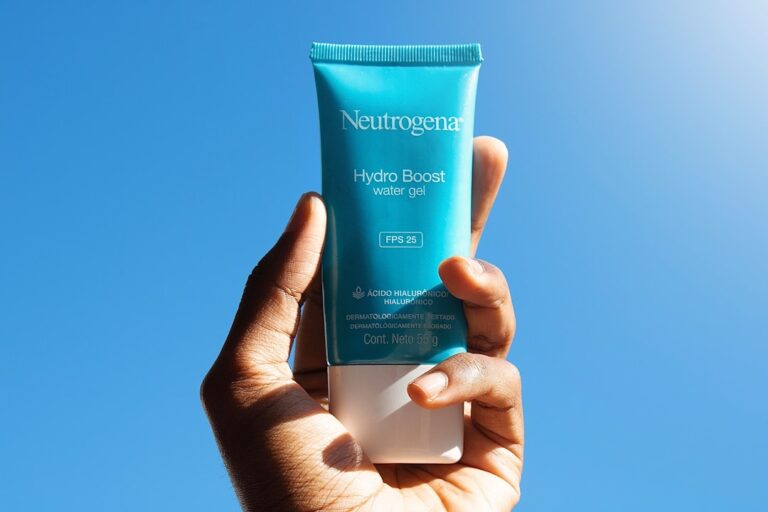
市场需求的爆发正在催生品牌端的快速反应。在高端市场,Glow Recipe推出了Prickly Pear Peptide Mucin精华,COSRX推出了Blue Peptide精华液主打”皮肤长寿”概念。在大众市场,Neutrogena的Collagen Bank系列和Cetaphil的Healthy Renew系列都选择了肽类作为核心技术路线。

值得注意的是,品牌定位正在从”抗衰老”转向”皮肤长寿”。CONX的Blue Peptide精华液宣传的不是祛皱,而是”恢复皮肤饱满度”和”支持健康老化”。这个细微的措辞变化反映了行业对肽类认知的升级——肽不只是对抗衰老,更是维持皮肤健康功能的基础原料。

专家视角

但市场热度也带来了一些需要警惕的信号。大多数消费者不知道的是,肽类护肤品的效果高度依赖于肽段的序列设计、浓度、渗透技术和配方稳定性。市场上大量所谓的”肽类护肤品”实际上肽含量微乎其微,更多是营销概念。Galderma等大厂的入局虽然提升了品类信誉,但并不意味着所有贴上”肽”标签的产品都值得购买。

具体来说,消费者需要关注几个关键指标:配方中肽的具体名称(如乙酰基六肽-8、棕榈酰五肽-4等),在成分表中的位置(越靠前浓度越高),以及品牌是否提供临床测试数据。没有数据支持的产品,效果基本靠运气。

这件事我会持续跟踪。肽类美容的爆发式增长正在改变护肤行业的游戏规则,而真正的赢家将是那些同时理解肽类科学和消费者需求的品牌。

延伸阅读

审阅时间:2026年6月。信息来源:Glossy, Spate, PR Newswire

Cetaphil推出Healthy Renew肽类抗衰系列,大众护肤巨头的肽赛道入场

大众护肤品牌Cetaphil正在做一件出乎许多人意料的事——推出一款不含视黄醇的抗衰老系列。这个名为Healthy Renew的新系列,核心成分是纯化肽类复合物。母公司Galderma将其定位为”视黄醇替代方案”,主打敏感肌也能耐受的抗衰老护理。

这件事的意义在于:当全球最大的一批大众护肤品牌开始押注肽类成分,这个赛道就不再只是小众实验室品牌的游戏了。

一次典型的「大厂入场」动作

Cetaphil Healthy Renew系列在2026年第一季度进入印度市场,包含精华、眼霜和日霜等多款产品。Galderma选择肽类作为核心技术路线,而不是传统的视黄醇或维生素C,这是一个值得关注的战略信号。

从产品定位看,Healthy Renew系列瞄准的是一个明确的用户痛点:想要抗衰老效果,但皮肤不耐受视黄醇。视黄醇虽然是经过几十年验证的抗衰老成分,但其刺激性让大量敏感肌用户望而却步。肽类提供了另一种路径——作用机制不同,但同样能刺激胶原蛋白生成。

Galderma作为皮肤科领域的全球巨头(旗下还有Soolantra、Epiduo等处方药品牌),选择在Cetaphil这个大众线引入肽类技术,说明他们看到了肽类成分从高端小众走向大众市场的窗口期。

大众品牌的入局意味着什么

数据背后是一个正在加速的市场趋势。根据Spate的市场研究数据,”peptide therapy”在Google上的搜索量同比增长了百分之二百八十一,在TikTok上增长了百分之四百五十九,在Instagram上增长了百分之四百一十二。预计未来一年还将有百分之三十三的额外增长。

Cetaphil不是第一个入局的大众品牌。在此之前,Neutrogena母公司Kenvue推出了搭载专利微肽技术的Collagen Bank系列,CeraVe也在加大肽类成分的布局。但Cetaphil的入局具有标志性意义——它是全球皮肤科医生推荐最多的品牌之一,其产品决策直接影响药店和超市货架上的品类结构。

所以问题来了:当Cetaphil都在做肽类抗衰老,视黄醇的江湖地位会不会被动摇?

专家视角

但大多数消费者忽略了一个关键点。肽类和视黄醇并不是非此即彼的选择。YSE Beauty的创新顾问Lorne Lucree在接受Glossy采访时指出,肽类在护肤中其实已经存在多年,真正改变的是消费者认知——当大众品牌开始教育市场”肽类有效”,整个品类的天花板就会被抬高。聪明的做法不是二选一,而是叠加使用:视黄醇负责加速细胞更新,肽类负责为胶原蛋白提供构建原料。

这意味着什么?对于消费者来说,Cetaphil的入场意味着肽类抗衰老产品将不再局限于高端药妆品牌。而对于我们这样关注肽类成分的团队来说,大众品牌的教育效应实际上是好事——更多用户尝试肽类产品,意味着整体市场的增长。

这件事我会持续跟踪。Cetaphil Healthy Renew系列在印度市场的表现,将是检验肽类大众化的一张重要考卷。

延伸阅读

审阅时间:2026年6月。信息来源:Glossy, Happi, PR Newswire, Campaign India

Argireline Science: How Botox-in-a-Bottle Peptides Work

Few skincare ingredients carry a nickname as bold as “Botox in a bottle.” Argireline earned that label and it stuck. But the nickname does a disservice to the actual science. Argireline is not diluted Botox. It is not a toxin. It works through a completely different biological pathway. And understanding that pathway is the difference between using this peptide well and wasting your money. This article unpacks the real science of Argireline — what it is, how it works, what the data says, and what experienced formulators know that most brands will not tell you.

What Is Argireline and Where Did It Come From?

Argireline is the trade name for Acetyl Hexapeptide-8. Lipotec SA, a Spanish biotech company now owned by Lubrizol, developed it in the early 2000s. The molecule is a six-amino-acid peptide with the sequence Acetyl-Glu-Glu-Met-Gln-Arg-Arg-NH2. The acetyl group on one end and the amide group on the other protect the peptide from rapid enzymatic breakdown. This is the first thing formulators learn about Argireline.

The origin story matters. Lipotec did not stumble onto this peptide by screening random sequences. They designed it rationally. The team studied the molecular mechanism of botulinum toxin. That toxin cleaves SNAP-25, a protein essential for neurotransmitter release. But toxins are too dangerous for topical use. So Lipotec asked a different question. Could a small peptide mimic a fragment of SNAP-25 and compete with the full protein? The answer was yes. That insight produced Argireline.

Blanes-Mira and colleagues published the foundational paper in the International Journal of Cosmetic Science in 2002. The paper described the design, synthesis, and initial testing of the hexapeptide. Twenty years later, it remains the most cited paper in the cosmetic peptide field. The study reported a wrinkle depth reduction of roughly thirty percent after thirty days of twice-daily application at a ten percent concentration. Those numbers launched an industry.

How Argireline Works: The SNARE Complex Mechanism

Here is where the science gets fascinating. Argireline does not paralyze muscles the way Botox does. It dials down muscle contraction instead of switching it off. Let me break this down step by step.

Every muscle contraction in your face starts with a signal. A nerve impulse travels down to the neuromuscular junction. That junction is a microscopic gap between the nerve ending and the muscle fiber. When the signal arrives, the nerve needs to release acetylcholine. Acetylcholine is the neurotransmitter that tells the muscle to contract. This release depends on a molecular machine called the SNARE complex.

The SNARE complex is a bundle of three proteins. These proteins are SNAP-25, syntaxin, and VAMP. They work together like a zipper. When the nerve signal arrives, the zipper pulls a vesicle full of acetylcholine toward the nerve membrane. The vesicle fuses with the membrane. Acetylcholine spills into the gap. The muscle contracts. That is the normal sequence.

Argireline mimics a specific fragment of SNAP-25. Specifically, it copies the N-terminal domain. This is the region of SNAP-25 that binds to the other SNARE proteins to start forming the zipper. When Argireline is present at sufficient concentration, it occupies that binding site. The full SNAP-25 protein cannot form the SNARE complex. Vesicle docking stalls. Acetylcholine release drops. Muscle contraction weakens.

But here is the critical difference from Botox. Botox enters the nerve terminal and permanently cleaves SNAP-25. The nerve cannot release acetylcholine at all until it synthesizes new SNAP-25 protein. That takes weeks. Argireline competes reversibly. It binds and unbinds. The effect is partial and dynamic. Your facial muscles still move. They just do not contract as forcefully. You keep natural expression while reducing the repetitive folding that creates wrinkles.

Now you might wonder about a practical question. How does a peptide applied to the skin surface reach the neuromuscular junction? The answer involves the penetration challenge that every peptide formulator faces.

The Penetration Problem That Defines the Category

Argireline is a peptide. Peptides are water-soluble. The outer layer of human skin is the stratum corneum. The stratum corneum is lipophilic. It repels water. This is nature’s barrier. It keeps water in your body and keeps water-soluble things out. Most of the Argireline you apply never reaches the deeper skin layers where the neuromuscular junctions sit.

Lipotec estimated that roughly 0.1 percent of applied Argireline penetrates the stratum corneum. That is one part in a thousand. The other 99.9 percent sits on the surface and eventually gets washed off or degraded. This is not a failure of the molecule. It is a fundamental challenge of topical peptide delivery. Every peptide in skincare faces this same barrier.

So what do formulators do about this? The answer is delivery systems. The most common approach uses penetration enhancers. Ingredients like pentylene glycol, ethoxydiglycol, or dimethyl isosorbide temporarily disrupt the lipid packing in the stratum corneum. They create small openings that let water-soluble molecules slip through. Another approach uses encapsulation. Liposomes, niosomes, or solid lipid nanoparticles can carry Argireline across the barrier. The lipid shell of the carrier fuses with the skin’s lipid layers and releases the peptide inside.

A third option is microneedling. Creating microscopic channels through the stratum corneum bypasses the barrier entirely. But that requires a device and is not practical for daily skincare. The fourth and most sophisticated approach uses chemical modification. Attaching a fatty acid chain to the peptide makes it more lipophilic. The modified peptide partitions into the stratum corneum more easily. Once inside, cellular enzymes cleave the fatty acid and release the active peptide. This is sometimes called a pro-peptide strategy.

Lipotec addressed this directly with their second-generation product. SNAP-8 is an elongated version of Argireline. It adds two amino acids to the chain. The extra length improves binding affinity to the SNARE complex. That means less peptide needs to penetrate to achieve the same effect. Later, Lipotec developed Inyline. Inyline combines a SNAP-25 inhibitor peptide with a penetration-enhancing carrier built into the same molecule. The delivery problem and the activity problem are solved together.

What the Clinical Data Actually Shows

Let us look at the numbers. The original Blanes-Mira study in 2002 enrolled ten women. They applied a ten percent Argireline oil-in-water emulsion to one side of the face twice daily for thirty days. The other side received placebo. Silicone replica analysis measured wrinkle depth. The Argireline-treated side showed a 30.1 percent reduction in wrinkle depth at the periorbital area. That is the crow’s feet region around the eyes. The placebo side showed zero change. The result was statistically significant with a P-value below 0.05.

Now here is what most marketing copy leaves out. The 30.1 percent reduction is an average. The individual responses varied widely. Some volunteers saw wrinkle depth drop by more than fifty percent. Others saw less than ten percent. The small sample size of ten women means we cannot draw firm conclusions about who responds best. But the pattern matches what we see with most topical peptides. Response depends heavily on skin penetration. People with thinner stratum corneum or better barrier disruption tend to respond more.

A second study published by Ruíz Martínez and colleagues in 2009 examined Argireline combined with other peptides. They tested a formulation containing ten percent Argireline alongside Leuphasyl, another neurotransmitter-inhibiting peptide that targets enkephalin receptors. The combination outperformed Argireline alone. Wrinkle depth reduction reached roughly forty-seven percent over twenty-eight days. This makes biological sense. The two peptides attack the wrinkle-forming process at two different points. Argireline blocks acetylcholine release at the SNARE complex. Leuphasyl blocks the enkephalin pathway that modulates muscle contraction differently. Together they produce a stronger signal with less total peptide load.

Independent studies have remained limited. Most published data on Argireline comes from Lipotec or its commercial partners. This does not make the data invalid. The methodology is sound. But independent replication from academic labs unaffiliated with the manufacturer would strengthen the evidence base. A 2015 review in the Journal of Cosmetic Dermatology noted this gap and called for more investigator-initiated trials.

Expert Insight: What Experienced Formulators Know

Here is something most brands will not print on their packaging. The concentration number on the label tells you almost nothing about whether the product will work. What matters is how much peptide reaches the target site. And that depends entirely on the delivery system.

I have seen formulations labeled “five percent Argireline” that outperform “ten percent” products. The five percent version used a liposomal delivery system. The ten percent version was a simple aqueous cream. The liposomes carried more peptide across the stratum corneum despite containing half the nominal concentration. This is one of the most common mistakes brands make. They assume a higher percentage on the label means a better product. It does not. The vehicle is everything.

Here is another thing the data does not tell you. Argireline degrades in water over time. The peptide backbone is susceptible to hydrolysis. In a water-based serum, Argireline loses roughly ten to fifteen percent of its activity per month at room temperature. This means a product sitting on a shelf for six months may deliver substantially less active peptide than a freshly manufactured batch. Lyophilized Argireline stored as a dry powder is stable for years. Once reconstituted in water, the clock starts ticking. This is why freeze-dried peptide formats make scientific sense for skincare. They separate the peptide from water until the moment of use. Our own GHK-Cu and Argireline products ship as lyophilized powder for exactly this reason.

A third reality check concerns the timeline. Most marketing claims suggest visible results in one to two weeks. The actual data says something different. The thirty-day studies showed significant results at day thirty. They did not measure day seven or day fourteen. We simply do not know how fast the effect accumulates. But based on the mechanism, the effect should build gradually. You are competing with a biological process, not shutting it off. Plan for at least four to six weeks of consistent use before evaluating results.

The last thing experienced formulators watch for is the formulation pH. Argireline is most stable around a pH of six to seven. Acidic formulations below pH five accelerate degradation. The popular trend of low-pH exfoliating toners layered with peptides creates a problem. If you apply a pH three exfoliant and immediately layer an Argireline serum on top, the residual acid on your skin can degrade the peptide before it even gets a chance to penetrate. Separate acidic products from peptide products by at least fifteen to twenty minutes.

How Argireline Compares to Other Anti-Wrinkle Peptides

Argireline is not the only peptide targeting expression lines. The category has expanded significantly in the past decade. Here is how the major players compare.

Matrixyl targets a completely different mechanism. Matrixyl is Palmitoyl Pentapeptide-4. Instead of blocking muscle contraction, it signals fibroblasts to produce more collagen. It mimics the fragment of type I procollagen that cells recognize as a repair signal. Matrixyl builds skin structure from within. Argireline reduces the mechanical stress that damages that structure. The two approaches are complementary. Many advanced formulations combine them for this reason. Argireline softens the expression lines while Matrixyl rebuilds the underlying matrix.

GHK-Cu is a copper-binding tripeptide that functions as a wound-healing signal. It stimulates collagen synthesis, promotes angiogenesis, and acts as an anti-inflammatory. GHK-Cu does not touch the neuromuscular junction at all. It restores damaged tissue. Argireline prevents the repetitive micro-damage that expression creates. Again, complementary mechanisms. Using Argireline during the day and GHK-Cu at night addresses both sides of the wrinkle equation.

Leuphasyl is the closest direct comparison to Argireline. Leuphasyl is a pentapeptide that works on the enkephalin pathway. Enkephalins are endogenous opioids that modulate neurotransmitter release. Leuphasyl reduces the calcium influx that triggers vesicle fusion. Argireline blocks the SNARE complex directly. The two peptides target different points in the same overall pathway. This is why the combination studies show better results than either peptide alone. You get a broader blockade of the muscle contraction signal.

SNAP-8 is essentially Argireline with a longer chain. It has a higher binding affinity for the SNARE complex. Some formulators argue that SNAP-8 makes Argireline obsolete. The counterargument is that the longer peptide chain may penetrate even less efficiently. No head-to-head clinical comparison of the two peptides at equivalent formulated doses has been published. Until that study exists, both molecules have a place in the toolbox.

Practical Takeaways for Your Routine

So what should you actually do with all this information? Let me translate the science into actionable decisions.

First, look for Argireline in leave-on products. Serums and creams that stay on your skin give the peptide time to penetrate. Rinse-off products like cleansers waste the peptide entirely. It never has time to cross the stratum corneum.

Second, prioritize delivery systems over concentration percentages. A product containing Argireline at five percent with a liposomal carrier will likely outperform a ten percent product in a basic aqueous formula. Look for terms like “liposomal,” “encapsulated,” or “delivery system” on the packaging. The presence of penetration enhancers like ethoxydiglycol or dimethyl isosorbide in the ingredient list is a positive sign.

Third, apply Argireline to clean skin before heavier products. Water-soluble peptides compete with oils and silicones for skin contact. A lightweight Argireline serum applied first gets the best chance to penetrate. Follow with moisturizers or sunscreens after giving the serum two to three minutes to absorb.

Fourth, consider the format. Lyophilized powder formats eliminate the stability problem. You reconstitute fresh peptide each time you use it. The peptide never sits in water degrading for weeks or months. Serum formats are more convenient but deliver less active peptide over the product’s lifetime. Choose based on whether you prioritize maximum efficacy or maximum convenience.

Fifth, pair Argireline with complementary peptides for better results. Argireline plus Matrixyl targets both the cause and the consequence of wrinkles. Argireline plus antioxidants like vitamin C protects the collagen you already have while reducing mechanical stress on it. Argireline plus sunscreen prevents light-induced collagen breakdown from undermining your peptide investment.

Sixth, be patient. The mechanism is biological competition, not pharmacological blockade. Effects accumulate over weeks, not days. Track your progress with photos at day zero, day thirty, and day sixty. The day-to-day mirror check will not show you the trend. Side-by-side photos will.

Seventh, keep acids and peptides separate in your routine. If you use an AHA or BHA exfoliant, apply it in the evening. Use your Argireline product in the morning. If you must use both in the same session, apply the acid first. Wait at least twenty minutes. Then apply the peptide. The time gap allows your skin pH to return to normal before the peptide arrives.

Further Reading


Share this article: X (Twitter) · LinkedIn · Email

Last reviewed: June 2026. Peptide Proof Editorial Team.

Neutrogena母公司Kenvue推出专利微肽技术,大众护肤品牌加速入局肽类赛道

Kenvue公司旗下Neutrogena品牌近日推出了全新的Collagen Bank系列护肤品,核心技术是一种被称作”微肽技术”的专利成分。这则新闻对护肤行业的意义可能比表面上看要大得多——因为它标志着肽类护肤正在从高端药妆渠道全面渗透进大众日化渠道。

Kenvue是谁?如果你不熟悉这个名字,你肯定知道它旗下的品牌:Neutrogena、Aveeno、露得清、Tylenol。Kenvue是强生公司分拆出来的消费者健康业务,2023年独立上市,目前是全球最大的纯消费者健康公司之一。当这样一个体量的公司决定把”微肽技术”作为核心卖点来推一条产品线时,这件事就值得认真关注了。

让我们来看这背后的行业逻辑。

微肽技术到底是什么

Kenvue的这套技术被他们称为”专利微肽技术”,搭载在Neutrogena的Collagen Bank系列中。根据产品描述,Collagen Bank的核心理念是”帮助皮肤储存和保护胶原蛋白”,而不是简单地”补充胶原蛋白”——这是一个微妙的但非常重要的区别。

传统的胶原蛋白护肤品思路是:把胶原蛋白分子涂在皮肤上,让它渗透进去。问题在于,胶原蛋白分子太大,很难穿透皮肤屏障。肽类的思路完全不一样。小分子肽不是补充胶原蛋白本身,而是向皮肤细胞发送信号,告诉它们”该生产胶原蛋白了”。而Kenvue的微肽技术更进一步——它宣称能帮助保护皮肤中已有的胶原蛋白不被降解。这种”保护存量”的思路,比”补充增量”的逻辑要科学得多。

这里有一个大多数消费者不知道的事实:皮肤中的胶原蛋白每天都在自然降解。到了三十岁以后,胶原蛋白的降解速度会超过生成速度。市面上绝大多数抗衰老产品在做的事情是刺激新的胶原蛋白生成。但如果能同时阻止降解,效果会好得多。这就是Kenvue微肽技术的核心逻辑——它可能同时作用于生成和降解两个方向。

大众市场入局意味着什么

从消费趋势的角度来看,Neutrogena选择在这个时间点推出Collagen Bank系列,跟几个大趋势有关。

第一,肽类护肤的消费者认知已经成熟。根据Spate市场研究的数据,肽疗法在谷歌上的年搜索增长率达到百分之二百八十一,在TikTok上达到百分之四百五十九。当消费者已经主动在搜索”肽类护肤”时,大众品牌入场就顺理成章了。

第二,从高端到大众的渗透路径正在加速。肽类成分最早出现在医用修复产品中,然后进入高端院线品牌(比如SkinMedica的TNS精华售价超过两百美元),再到中高端药妆(比如Drunk Elephant、Paula’s Choice),现在到了大众药店渠道(Neutrogena、Cetaphil)。这让肽类护肤的价格门槛大幅降低。

第三,”皮肤长寿”取代”抗衰老”成为新的叙事框架。Collagen Bank的营销语言强调的是”在皮肤还健康的时候就开始保护它”,而不是”等皱纹出现了再修复它”。这个转变非常关键——它把目标用户从四十岁以上的”抗衰老人群”拓展到了二十多岁就开始关注”皮肤健康”的年轻群体。

Neutrogena这次还请来了漫威鹰眼主演Hailee Steinfeld作为品牌代言人,并推出了一套名为”Bank Your Glow”的短篇小说系列营销活动。这种跨界的创意营销方式,也反映出品牌希望通过更年轻化的叙事来触达新消费者。

延伸阅读

Share this analysis:
X (Twitter)
LinkedIn
Email

Last reviewed: June 2026. Peptide Proof Editorial Team. Sources: Happi, Drug Store News, Cosmetics & Toiletries
COSRX推出蓝色肽精华液,韩妆巨头入局「皮肤长寿」赛道

韩国知名护肤品牌COSRX最近推出了一款蓝色肽精华液,名为Blue Peptide Bakuchiol Plump Glow Serum。这款新品主打”皮肤长寿”概念,将多肽成分与传统韩方护肤成分补骨脂酚结合在一起。COSRX的这次新品发布,标志着肽类护肤正在从高端小众走向大众市场,而”皮肤长寿”正在成为行业的新关键词。

这次COSRX的新品发布有几个值得关注的信号。首先,这是COSRX首次推出以肽为核心卖点的精华液产品。作为韩国最具影响力的药妆品牌之一,COSRX之前以AHA/BHA去角质、积雪草修复等产品线闻名。现在他们把目光投向肽类抗衰老,说明这个赛道已经足够成熟,吸引了主流韩妆品牌的入场。

但这背后还有一个更深层的趋势在推动。

“皮肤长寿”:肽类护肤的新叙事

这款精华液的定位非常巧妙。COSRX没有用传统的”抗衰老”或”除皱”来宣传,而是用了”皮肤长寿”这个新概念。这个词最近在护肤行业越来越频繁地出现。它跟传统的”抗衰老”有什么不同?简单来说,抗衰老说的是”对抗已经出现的老化问题”,而皮肤长寿说的是”维持皮肤细胞的健康状态,延缓老化过程本身”。

肽类成分恰恰是皮肤长寿概念的最佳载体。小分子肽能穿透皮肤表层,向成纤维细胞发送信号,刺激胶原蛋白和弹性蛋白的生成。这不是修复已经形成的皱纹,而是帮助皮肤维持自身的再生能力。从这个角度看,肽类精华和皮肤长寿概念是天作之合。

那么这款产品的具体配方有什么特别之处?COSRX在这款蓝色肽精华中使用了两种核心成分。一种是蓝色肽复合物,也就是多种信号肽的组合。另一种是补骨脂酚,一种源自印度植物补骨脂的天然成分。补骨脂酚被称为”植物视黄醇”,它有类似维A醇的抗衰老效果,但没有维A醇的刺激性和光敏性。把肽类和补骨脂酚放在一起,等于同时从两个方向攻击皮肤老化:肽类促进胶原合成,补骨脂酚促进细胞更新。

有意思的是,COSRX选择用”蓝色”来命名这款精华。这不仅仅是因为产品本身是淡蓝色的质地。蓝色在护肤营销中代表什么?它暗示着冷静、科技感和专业性。配合透明磨砂瓶身的设计,整个产品的视觉语言传达的是”科学有效”而非”奢华享受”。这种定位策略跟COSRX一贯的药妆极简风格是一致的。

韩妆巨头入局,肽类护肤进入新阶段

COSRX入局肽类护肤,这件事本身就是一个行业信号。作为全球增长最快的韩妆品牌之一,COSRX的每一次产品方向调整都会被行业密切关注。

这里有一个很多消费者会问的问题:COSRX的肽类精华跟市面上已有的肽类产品有什么不同?市面上已经有很多肽类精华了,比如The Ordinary的多肽精华、Drunk Elephant的Protini面霜、SkinMedica的TNS精华。COSRX的差异化在于两点。第一是价格定位,COSRX一向以高性价比著称,这款蓝色肽精华的定价大概率会低于欧美竞品。第二是配方思路,把肽类和韩式植萃成分结合,而不是单纯的肽类复配。这种”东方草本加西方胜肽”的思路,正是韩妆品牌的独特优势。

另一个值得关注的角度是品类扩张。肽类成分在护肤中的应用正在从面霜和精华扩展到更多品类。COSRX这次推出的是精华液,但蓝色肽系列未来可能会拓展到面霜、眼霜甚至面膜。品牌一旦确定了一个成分方向,通常会围绕它构建完整的产品矩阵。

所以这件事的意义不仅仅是一款新品上市。它意味着肽类护肤正在经历从”功效成分”到”品类基石”的转变。当一个像COSRX这样体量的品牌把一个成分定位为核心产品线时,这个成分就已经走过了教育期,进入了爆发期。

延伸阅读

Share this analysis:
X (Twitter)
LinkedIn
Email

Last reviewed: June 2026. Peptide Proof Editorial Team. Sources: PR Newswire, Longevity.Technology
FDA Moves to Reclassify 12 Peptides in Major Regulatory Shift Driven by RFK Jr.

Executive Summary

The U.S. Food and Drug Administration announced on June 18, 2026 that it will convene an advisory committee in July 2026 to review whether seven peptide injections should be approved for compounding pharmacy production. Simultaneously, the agency will remove 12 peptides from the Category 2 bulks list — a restrictive classification reserved for unapproved, high-risk substances that cannot be compounded. The moves follow sustained pressure from Health and Human Services Secretary Robert F. Kennedy Jr. and the Make America Healthy Again (MAHA) movement, representing the most consequential shift in peptide regulation since the FDA began tightening compounding rules under the Biden administration.

Context / Background

The regulatory framework for compounded peptides sits at the intersection of drug safety law, pharmacy practice, and the growing consumer demand for “wellness” injectables. Under Section 503A of the Federal Food, Drug, and Cosmetic Act, compounding pharmacies can prepare customized medications using bulk drug substances — but only if those substances appear on the FDA’s approved bulks list or have a USP/NF monograph.

Under President Biden, the FDA took an increasingly restrictive stance. Between 2022 and 2024, the agency added nearly 20 peptides — including BPC-157, Thymosin Alpha-1, and AOD-9604 — to Category 2, effectively banning their use in compounding. The FDA’s Pharmacy Compounding Advisory Committee (PCAC) voted overwhelmingly that these substances “present significant safety risks” because most lack human clinical data. The peptide compounding industry, wellness influencers, and now the HHS Secretary himself have pushed back hard, arguing the restrictions limit patient access to promising therapies.

The Data / The Decision

Action Detail
Peptides under review (advisory committee) 7 peptides to be evaluated for compounding eligibility
Peptides being removed from Category 2 12 peptides reclassified to allow compounding
Advisory committee meeting July 2026
Peptides previously added to Category 2 (Biden era) ~20 peptides (2022–2024)
Key driver HHS Secretary RFK Jr. + MAHA movement
RFK Jr. personal involvement Has discussed using peptides for his own injuries
MAHA influencer involved Gary Brecka (sells peptide formulas via website)
Parallel action FDA moving to remove GLP-1 drugs from 503B bulks list (separate, more restrictive action)
Critics Dr. Peter Lurie (CSPI): “The Wild West is about to become wilder”
Former FDA position Most compounded peptides “present significant safety risks”

Expert Insight

Anti-pattern: Treating this as a simple “pro-access vs. pro-safety” debate. Experienced regulatory professionals know the real strategic issue is regulatory pathway arbitrage. If peptides can reach patients through compounding pharmacies without an NDA or BLA, why would any company invest the $1–2 billion and 10–12 years required for formal drug approval? Dr. Peter Lurie’s warning — “I don’t see why one would take the path of a proper drug approval if there is now this less rigorous, alternative path to market” — isn’t hypothetical. The peptide therapeutics industry, which has attracted over $5 billion in venture funding since 2020, depends on a regulatory regime that rewards clinical development with market exclusivity.

The second-order effect most commentators miss: this reclassification doesn’t just affect wellness peptides like BPC-157. It creates a precedent for how the FDA handles the entire category of peptide drugs, including therapeutic peptides in active clinical development. A company with a Phase 2 peptide asset may now face competition from compounding pharmacies before it even reaches Phase 3 — a scenario that would fundamentally alter risk calculations for peptide biotech investors. CDMOs like Bachem and CordenPharma are watching this closely; expanded compounding could cannibalize the commercial manufacturing market they’re building capacity for.

Frequently Asked Questions

Which specific peptides is the FDA reviewing?

The FDA has not published the complete list of seven peptides to be reviewed at the July advisory committee meeting. Based on regulatory filings and industry reporting, the list is expected to include several peptides that were added to Category 2 during the Biden administration, including BPC-157, Thymosin Alpha-1, AOD-9604, and potentially GHK-Cu. The 12 peptides being removed from Category 2 include substances for which sufficient safety data or historical compounding precedent exists. The full docket will be published 30 days before the meeting.

How does this differ from the FDA’s separate action on GLP-1s?

These are two distinct regulatory actions moving in opposite directions. The peptide reclassification (this story) represents a loosening of restrictions — making it easier for compounding pharmacies to produce certain peptides. In contrast, the FDA is simultaneously moving to remove GLP-1 medications (semaglutide, tirzepatide) from the 503B bulks list, which would restrict large-scale compounding of these drugs by outsourcing facilities. The GLP-1 action protects the commercial market for approved drugs; the peptide reclassification opens the market for unapproved ones. The apparent contradiction reflects the complex political dynamics now shaping FDA policy.

What does this mean for the legitimate peptide therapeutics industry?

The impact is mixed and depends on which peptides are reclassified. For companies developing novel, patent-protected peptide drugs (GLP-1 multi-agonists, peptide-drug conjugates, macrocycles), the direct impact is minimal — these molecules are too complex for compounding pharmacies to replicate. However, for companies working on shorter, linear peptides that can be synthesized by compounding facilities, the reclassification introduces a new competitive threat. More broadly, the regulatory uncertainty may affect investor sentiment: if the FDA’s commitment to the NDA/BLA pathway for peptides is perceived as weakening, the premium that peptide biotechs command in M&A could compress.

Further Reading

Share this analysis:
X (Twitter)
LinkedIn
Email

Last reviewed: June 2026. Peptide Proof Editorial Team. Source: PBS News / Associated Press

Vedana Therapeutics Launches With $46M to Target PACAP Neuropeptide for Migraine

Executive Summary

Vedana Therapeutics launched from stealth on June 17, 2026 with a $46 million Series A round to develop antibody drugs targeting PACAP (pituitary adenylate cyclase-activating polypeptide), a neuropeptide that drives migraine attacks through a pathway distinct from the well-established CGRP mechanism. The startup, backed by Westlake BioPartners and Canaan Partners, is led by the scientific and clinical teams that built the multi-billion-dollar CGRP migraine drug class at Alder Biopharmaceuticals, Labrys Biologics, and Amgen. With two programs — one targeting PACAP alone and a dual PACAP/CGRP bispecific — Vedana aims to enter human trials in 2027.

Context / Background

The CGRP inhibitor class — including Aimovig (erenumab), Ajovy (fremanezumab), and Emgality (galcanezumab) — transformed migraine prevention when it launched in 2018. These monoclonal antibodies block calcitonin gene-related peptide, a neuropeptide central to migraine pathophysiology. Combined, the class generates over $7 billion in annual revenue.

But a persistent problem remains: more than 50% of patients either do not respond to CGRP therapies or discontinue them within the first year. This treatment gap — estimated at 15–20 million patients worldwide — has sparked a race to identify the next migraine target. PACAP, a 38-amino-acid neuropeptide, has emerged as the leading candidate. It triggers vasodilation and neuroinflammation through PAC1, VPAC1, and VPAC2 receptors — a signaling cascade parallel to, but distinct from, CGRP.

The Data / The Deal

Metric Detail
Company Vedana Therapeutics (stealth until June 17, 2026)
Funding $46 million Series A
Lead Investors Westlake BioPartners, Canaan Partners
Target PACAP neuropeptide (anti-PACAP monoclonal antibodies)
Pipeline 2 programs: anti-PACAP monotherapy + PACAP/CGRP bispecific
Clinical Timeline Human trials expected to start in 2027
Key Competitor Lundbeck (ALD1910, Phase 2, via $2B Alder acquisition)
Other Competitors Mentari Therapeutics (reverse merger), Slate Medicines ($130M raised)
Leadership CEO Anurag Agarwal; CSO Leon Garcia (ex-Alder PACAP lead); CMO Ernesto Aycardi (ex-Teva Ajovy lead)
Board Rob Lenz (ex-Amgen Aimovig head), Marcelo Bigal (ex-Labrys CMO)

Expert Insight

Anti-pattern: Assuming PACAP will just be “CGRP 2.0.” Experienced teams know that the PACAP pathway has significant safety baggage. PACAP is broadly expressed — in the pituitary, adrenal medulla, and autonomic nervous system. Lundbeck’s ALD1910 showed signals of liver enzyme elevation and blood pressure effects in Phase 2, which is why the program hasn’t accelerated faster despite positive efficacy data. The winner in this space won’t be the company with the best PACAP binder — it will be the one that solves the therapeutic window problem. Vedana’s dual-targeting bispecific may help by allowing lower doses of each component.

Another underappreciated dimension: CGRP drugs succeeded partly because neurologists were desperate for migraine-specific options after decades of repurposed antidepressants and beta-blockers. PACAP drugs face a higher bar — they must demonstrate superiority over established, well-reimbursed CGRP therapies, not just novelty. Trial design matters enormously here; a head-to-head against CGRP standard-of-care is expensive but may be the only path to commercial relevance.

Frequently Asked Questions

What is PACAP and why does it matter for migraines?

PACAP (pituitary adenylate cyclase-activating polypeptide) is a 38-amino-acid neuropeptide that acts as a potent vasodilator and neuroinflammatory mediator. In migraine patients, PACAP levels spike during attacks, and intravenous PACAP infusion reliably triggers migraine-like headaches in clinical studies. Unlike CGRP, which primarily signals through the CGRP receptor, PACAP activates three distinct receptors (PAC1, VPAC1, VPAC2), offering multiple therapeutic intervention points that may benefit patients who don’t respond to CGRP blockade alone.

How does Vedana’s approach differ from Lundbeck’s anti-PACAP program?

Lundbeck acquired the anti-PACAP antibody ALD1910 through its $2 billion purchase of Alder Biopharmaceuticals in 2019. ALD1910 targets the PACAP ligand directly (like CGRP antibodies bind CGRP itself). Vedana has not disclosed whether its antibodies target the ligand or the PAC1 receptor, but its bispecific program — simultaneously targeting PACAP and CGRP — is a differentiated approach. The hypothesis: dual blockade may deliver superior efficacy for the hardest-to-treat patients, though it also introduces more complex safety considerations.

Is the anti-PACAP approach validated by clinical data?

Partially. Lundbeck’s ALD1910 succeeded in multiple Phase 2 trials, demonstrating statistically significant reductions in monthly migraine days. However, the magnitude of benefit has been modest relative to CGRP antibodies, and safety signals (transaminase elevations, blood pressure changes) have prevented an accelerated push to Phase 3. The field consensus: PACAP is a validated target, but the optimal modality (ligand blockade vs. receptor antagonism), dosing schedule, and patient selection criteria remain open questions — exactly the kind of problem a well-funded, focused startup is positioned to solve.

Further Reading

Share this analysis:
X (Twitter)
LinkedIn
Email

Last reviewed: June 2026. Peptide Proof Editorial Team. Source: BioPharma Dive