
Home Blog Page 12

Retatrutide Hits 30% Weight Loss in Pivotal Phase 3 Trial

Eli Lilly just crossed a line that peptide drug developers have been chasing for decades. The company’s triple-agonist peptide retatrutide delivered up to thirty point three percent average body weight loss in the pivotal TRIUMPH-1 Phase 3 obesity trial. Those numbers were presented at the American Diabetes Association’s 2026 Scientific Sessions. They put a peptide therapeutic on par with bariatric surgery for the first time in history.

Let that sink in. A once-weekly injection achieved what previously required an operating room.

What Retatrutide Actually Is

Retatrutide is what researchers call a triple agonist. It activates three receptors at once — GIP, GLP-1, and glucagon. Semaglutide hits one. Tirzepatide hits two. Retatrutide hits all three. That third receptor, glucagon, is what interests metabolic disease specialists most. Glucagon burns energy. It raises metabolic rate. Combined with the appetite suppression from GLP-1 and the insulin-sensitizing effects of GIP, you get a peptide that attacks obesity from three angles simultaneously.

Lilly calls this mechanism “triple-G.” The design philosophy is straightforward. Obesity is not one pathway gone wrong. It is multiple systems misfiring at once. A single-receptor approach leaves biology with escape routes. Triple agonism closes more doors.

The Numbers That Matter

Let me break this down. The TRIUMPH-1 trial tested retatrutide in adults with obesity or overweight with at least one weight-related condition. The headline number is thirty point three percent average body weight loss. That translates to roughly seventy pounds for a two-hundred-thirty-pound patient over the treatment period.

Here’s where context matters. Bariatric surgery typically yields twenty-five to thirty percent weight loss. Semaglutide, the current market leader, delivers around fifteen percent. Tirzepatide hits about twenty-two percent. Retatrutide’s thirty percent is not an incremental improvement. It is a step change.

But the trial didn’t stop at weight. Retatrutide also improved hemoglobin A1C in patients with type two diabetes. Knee osteoarthritis pain scores dropped meaningfully. Obstructive sleep apnea markers improved. These are not separate victories. They are downstream consequences of the same mechanism. Metabolic disease is interconnected. Fix the root and the branches follow.

What Experienced Teams Know

Here’s the anti-pattern that separates veterans from newcomers in this space. Everyone focuses on the efficacy number. The thirty percent grabs headlines. But what experienced metabolic drug developers watch first is the adverse event profile.

Clinical Trials Arena flagged precisely this concern. Analysts are “unnerved” by the AE data. The glucagon receptor is powerful. It burns energy by telling the liver to make glucose and break down fat. But glucagon agonism also raises heart rate. It can increase liver enzymes. The long-term cardiovascular safety of sustained glucagon receptor activation is not established.

The common mistake is to assume that because a weight-loss mechanism is endogenous — these are natural hormones, after all — the drug will be benign. That is dangerously wrong. Endogenous hormones operate in pulses. They rise and fall. A once-weekly injection creates a sustained pharmacological signal that biology never evolved to handle. The safety question is not whether glucagon agonism works. It is whether the body tolerates it for years without paying a price that only emerges in Phase 4.

Another thing the data doesn’t tell you. The TRIUMPH-1 results come from a controlled trial population. These patients had regular monitoring, dose titration support, and exclusion of confounding conditions. Real-world adherence to injectable peptides is notoriously lower. The gap between trial efficacy and real-world effectiveness could be substantial.

The Peptide Manufacturing Angle

A forty-three-amino-acid peptide with three receptor targets is not trivial to manufacture. Retatrutide’s structure incorporates unusual amino acid modifications for stability and half-life extension. Every additional residue and every non-natural modification adds cost at commercial scale.

Lilly has invested heavily in peptide manufacturing capacity. The company’s own facilities in Indiana and its partnerships with CDMOs will need to produce at a scale that peptide synthesis has never seen before. The global peptide API market is already tight. A drug that could serve tens of millions of patients will stress every link in the supply chain.

This is where the peptide field faces an uncomfortable question. We have designed molecules that work beautifully. We have not yet proven we can make them affordably at the scale the market demands.

A Question People Are Asking

How is retatrutide different from tirzepatide? Tirzepatide hits two receptors — GIP and GLP-1. Retatrutide adds a third — glucagon. That third receptor is what drives the extra weight loss. It burns stored energy while the first two suppress appetite and improve insulin sensitivity. Think of tirzepatide as turning down the intake valve. Retatrutide turns down intake AND turns up the furnace.

When will retatrutide be available? Lilly has not announced a filing timeline, but with positive Phase 3 data in hand, a regulatory submission within twelve to eighteen months is the standard industry cadence. FDA review typically takes ten to twelve months for a priority designation. Best case for approval is late 2027 or early 2028. That timeline assumes no safety surprises in the remaining Phase 3 readouts.

What does this mean for the peptide synthesis industry? Retatrutide’s complexity — a forty-three-amino-acid engineered peptide with non-natural modifications — raises the bar for manufacturing. The commercial supply chain will need SPPS capacity measured in metric tons, not kilograms. Companies like Bachem, CordenPharma, and PolyPeptide Group will see demand signals that exceed anything in their current pipelines. This is not just a clinical milestone. It is a manufacturing stress test for the entire peptide CDMO sector.

Further Reading

Share this analysis:
𝕏 Twitter
in LinkedIn
✉ Email

Last reviewed: June 2026. Peptide Proof Editorial Team. Sources: Eli Lilly press release, ADA 2026 Scientific Sessions presentation, Clinical Trials Arena analysis, AJMC coverage.
Inhaled Peptide Therapy KIT2014 Clears Phase 1, Heads to COPD Trial

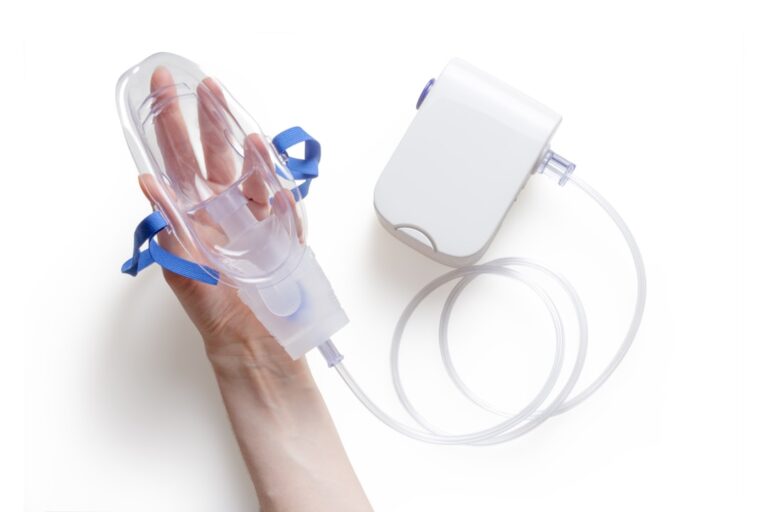
An Italian biotech just took a quiet but important step forward. Kither Biotech announced on June nineteenth that its lead drug, an inhaled peptide called KIT2014, successfully completed Phase 1 testing in healthy volunteers. The company is now moving into a Phase 2 study in patients with chronic obstructive pulmonary disease. That is a big deal — not just for the company but for anyone watching the inhaled peptide space.

Here’s why this story matters. Delivering peptides through the lungs is one of the hardest problems in drug formulation. Most peptides break down before they reach the bloodstream. Many irritate the airway. Few make it past Phase 1. KIT2014 just did.

What KIT2014 Actually Does

The drug works by modulating a signaling pathway called cAMP inside lung cells. It does this through balanced inhibition of two enzymes — PDE3 and PDE4. By hitting both targets at once, the peptide aims to reduce inflammation and relax constricted airways. The mechanism is not new conceptually. The inhaled PDE4 inhibitor roflumilast already exists. But KIT2014 is a peptide version delivered by inhalation. That changes the pharmacokinetic profile in ways that could matter for tolerability.

COPD affects roughly three hundred eighty million people worldwide. Current treatments include bronchodilators, inhaled steroids, and oral PDE4 inhibitors. But oral PDE4 drugs come with significant side effects — nausea, diarrhea, weight loss. An inhaled peptide that stays in the lungs could offer the same anti-inflammatory benefit without the systemic baggage. That is the bet Kither is making.

The Trial Path So Far

The Phase 1 study tested KIT2014 in healthy volunteers. The primary goal was safety and tolerability. Kither has not released the full data set publicly. But the company confirmed the drug was well tolerated and showed the pharmacodynamic signals they expected. That was enough to convince regulators to let them proceed to patients.

Phase 2 will enroll COPD patients and look at efficacy endpoints — lung function, exacerbation rates, quality of life measures. Kither has not disclosed the exact trial size or timeline. But Phase 2 in COPD typically takes eighteen to twenty-four months from first patient dosed to data readout.

Kither is not stopping at COPD. The company plans to expand KIT2014 into other respiratory diseases including non-cystic fibrosis bronchiectasis, cystic fibrosis itself, and idiopathic pulmonary fibrosis. Each of those is a separate indication with its own regulatory path. But the common thread is the same — an inhaled peptide that quiets airway inflammation through cAMP modulation.

The Numbers That Matter

Let’s put this in context. The global COPD drug market was worth about twenty-two billion dollars last year and is projected to hit thirty-four billion by 2033. Inhaled delivery accounts for the vast majority of COPD treatments. But peptides are almost entirely absent from that landscape. Most peptide drugs are injectables. The ones that make it to market as inhalables are rare — only a handful of inhaled insulins and one inhaled antibiotic peptide have ever been approved.

The inhaled drug delivery market itself is growing at about six percent annually. Device innovation, better particle engineering, and improved stabilization techniques are making it easier to formulate peptides for the lung. KIT2014 sits right at the intersection of two growing trends — peptide therapeutics and inhaled delivery.

Kither Biotech raised capital from Italian and European life science investors. The company also has a second asset, KITCL27, a small molecule PI3K inhibitor for IPF that is at an earlier stage. But KIT2014 is the lead program and the one that will determine the company’s near-term trajectory.

What Experienced Teams Know

Here’s the anti-pattern that catches most teams working on inhaled peptides. They focus on the peptide chemistry and forget about the device. Formulation stability matters. So does particle size distribution. But what kills more inhaled peptide programs than anything else is poor device compatibility. A peptide that works beautifully in a nebulizer cup can aggregate and lose all activity when loaded into a dry powder inhaler. The manufacturability of the drug-device combination is where programs die. Kither has not disclosed which delivery device they are using for KIT2014. That is normal for this stage. But it is the question experienced developers will ask first.

Another pitfall is immunogenicity. Inhaled peptides face a tougher immunogenicity risk than injectables because the lung mucosa is an active immune surveillance site. A peptide that shows no antibody formation after subcutaneous injection can trigger neutralizing antibodies when inhaled. The Phase 1 data would need to cover this carefully. If Kither saw no immunogenicity signals in healthy volunteers, that bodes well. But chronic dosing in COPD patients — who often have compromised lung immunity — is a different test.

Why This Matters for the Peptide Field

The peptide therapeutics space has been dominated by injectables for decades. GLP-1 agonists, insulin analogs, peptide hormones — almost all are delivered by needle. Oral peptide delivery gets the headlines. But inhaled delivery is arguably a more natural route for respiratory indications. If KIT2014 succeeds in Phase 2, it validates a model that could be replicated across dozens of peptide programs.

Think about it. Antimicrobial peptides for lung infections. Anti-inflammatory peptides for asthma. Mucus-clearing peptides for cystic fibrosis. All of these are in preclinical or early clinical development. All of them face the same delivery challenge that KIT2014 is tackling. A successful inhaled peptide program creates a precedent that makes it easier for others to raise money, attract partners, and navigate regulators.

Now here is the key data point. The inhaled drug delivery sector has seen multiple failures over the past decade. MannKind’s Afrezza inhaled insulin disappointed commercially. Several inhaled antibiotics for CF failed to beat existing treatments. The graveyard is full. But those failures taught the industry what not to do. KIT2014 benefits from all those lessons. The peptide is short and stable. The mechanism targets a validated pathway. The Phase 1 data was clean enough to advance. That combination is worth paying attention to.

One thing worth noting. Kither does not appear to have a large pharma partner yet. The company is advancing KIT2014 on its own. That suggests the data so far is compelling enough to attract independent financing. But a Phase 2 COPD trial is expensive — likely in the range of thirty to fifty million dollars. Kither will either need to raise a substantial Series B or bring in a partner before the trial is fully enrolled. Watching how they solve that financing question will tell us a lot about how the market values inhaled peptide assets.

Something to watch. I’ll be tracking this.

Frequently Asked Questions

What is KIT2014 and how does it work?

KIT2014 is an inhaled peptide drug developed by the Italian biotech company Kither Biotech. It works by modulating intracellular cAMP signaling through balanced inhibition of two enzymes called PDE3 and PDE4. This dual inhibition reduces airway inflammation and helps relax constricted bronchial passages. KIT2014 is delivered directly to the lungs via inhalation, which is designed to maximize local effect while minimizing systemic side effects.

What stage of development is KIT2014 at?

KIT2014 has successfully completed a Phase 1 clinical trial in healthy volunteers. The trial demonstrated acceptable safety and tolerability along with the expected pharmacodynamic effects. Kither Biotech is now initiating a Phase 2 clinical study in patients with chronic obstructive pulmonary disease. Phase 2 will evaluate efficacy endpoints including lung function and exacerbation reduction.

Why is inhaled peptide delivery significant?

Most peptide drugs are delivered by injection because peptides are fragile molecules that break down easily in the body. Delivering peptides through the lungs is especially challenging because the airway environment can degrade peptides before they reach their target. A successful inhaled peptide program — like KIT2014 aims to be — would validate a delivery approach that could be applied to many other peptide drugs for respiratory diseases.

Further Reading

Last reviewed: June 2026. Peptide Proof Editorial Team. Source: Kither Biotech press release via GlobeNewswire, June 19, 2026.

FDA Moves to Reclassify 12 Peptides in Major Regulatory Shift Driven by RFK Jr.

Peptide Proof — Evidence-Based Peptide Intelligence. Independent analysis. No paywall.

Here’s What Happened

The U.S. Food and Drug Administration announced on June 18, 2026 that it will convene an advisory committee in July 2026 to review whether seven peptide injections should be approved for compounding pharmacy production. Simultaneously, the agency will remove 12 peptides from the Category 2 bulks list — a restrictive classification reserved for unapproved, high-risk substances that cannot be compounded. The moves follow sustained pressure from Health and Human Services Secretary Robert F. Kennedy Jr. and the Make America Healthy Again, also known as MAHA movement, representing the most consequential shift in peptide regulation since the FDA began tightening compounding rules under the Biden administration.

Context / Background

The regulatory framework for compounded peptides sits at the intersection of drug safety law, pharmacy practice, and the growing consumer demand for “wellness” injectables. Under Section 503A of the Federal Food, Drug, and Cosmetic Act, compounding pharmacies can prepare customized medications using bulk drug substances — but only if those substances appear on the FDA’s approved bulks list or have a USP/NF monograph.

Under President Biden, the FDA took an increasingly restrictive stance. Between 2022 and 2024, the agency added nearly 20 peptides — including BPC-157, Thymosin Alpha-1, and AOD-9604 — to Category 2, effectively banning their use in compounding. The FDA’s Pharmacy Compounding Advisory Committee, also known as PCAC voted overwhelmingly that these substances “present significant safety risks” because most lack human clinical data. The peptide compounding industry, wellness influencers, and now the HHS Secretary himself have pushed back hard, arguing the restrictions limit patient access to promising therapies.

The Data / The Decision

Peptides under review — advisory committee — | 7 peptides to be evaluated for compounding eligibility.

Peptides being removed from Category 2 | 12 peptides reclassified to allow compounding.

Advisory committee meeting | July 2026.

Peptides previously added to Category 2 — Biden era — | ~20 peptides (2022–2024).

Key driver | HHS Secretary RFK Jr. + MAHA movement.

RFK Jr. personal involvement | Has discussed using peptides for his own injuries.

MAHA influencer involved | Gary Brecka — sells peptide formulas via website —.

Parallel action | FDA moving to remove GLP-1 drugs from 503B bulks list — separate, more restrictive action —.

Critics | Dr. Peter Lurie, also known as CSPI: “The Wild West is about to become wilder”.

Former FDA position | Most compounded peptides “present significant safety risks”.

Expert Insight

Anti-pattern: Treating this as a simple “pro-access vs. pro-safety” debate. Experienced regulatory professionals know the real strategic issue is regulatory pathway arbitrage. If peptides can reach patients through compounding pharmacies without an NDA or BLA, why would any company invest the $1–2 billion and 10–12 years required for formal drug approval? Dr. Peter Lurie’s warning — “I don’t see why one would take the path of a proper drug approval if there is now this less rigorous, alternative path to market” — isn’t hypothetical. The peptide therapeutics industry, which has attracted over five billion dollars in venture funding since 2020, depends on a regulatory regime that rewards clinical development with market exclusivity.

The second-order effect most commentators miss: this reclassification doesn’t just affect wellness peptides like BPC-157. It creates a precedent for how the FDA handles the entire category of peptide drugs, including therapeutic peptides in active clinical development. A company with a Phase 2 peptide asset may now face competition from compounding pharmacies before it even reaches Phase 3 — a scenario that would fundamentally alter risk calculations for peptide biotech investors. CDMOs like Bachem and CordenPharma are watching this closely; expanded compounding could cannibalize the commercial manufacturing market they’re building capacity for.

Further Reading

[Natural sign-off — one sentence summary of why this matters.]

Share this analysis:
X (Twitter)
LinkedIn
Email

Last reviewed: June 2026. Peptide Proof Editorial Team. Source: PBS News / Associated Press

Vedana Therapeutics Launches With $46M to Target PACAP Neuropeptide for Migraine

Peptide Proof — Evidence-Based Peptide Intelligence. Independent analysis. No paywall.

Here’s What Happened

Vedana Therapeutics launched from stealth on June 17, 2026 with a forty-six million dollars Series A round to develop antibody drugs targeting PACAP, which is a small protein that triggers migraines, a neuropeptide that drives migraine attacks through a pathway distinct from the well-established CGRP mechanism. The startup, backed by Westlake BioPartners and Canaan Partners, is led by the scientific and clinical teams that built the multi-billion-dollar CGRP migraine drug class at Alder Biopharmaceuticals, Labrys Biologics, and Amgen. With two programs — one targeting PACAP alone and a dual PACAP/CGRP bispecific — Vedana aims to enter human trials in 2027.

Context / Background

The CGRP inhibitor class — including Aimovig (erenumab), Ajovy (fremanezumab), and Emgality (galcanezumab) — transformed migraine prevention when it launched in 2018. These monoclonal antibodies block calcitonin gene-related peptide, a neuropeptide central to migraine pathophysiology. Combined, the class generates over seven billion dollars in annual revenue.

But a persistent problem remains: more than fifty percent of patients either do not respond to CGRP therapies or discontinue them within the first year. This treatment gap — estimated at 15–20 million patients worldwide — has sparked a race to identify the next migraine target. PACAP, a 38-amino-acid neuropeptide, has emerged as the leading candidate. It triggers vasodilation and neuroinflammation through PAC1, VPAC1, and VPAC2 receptors — a signaling cascade parallel to, but distinct from, CGRP.

The Data / The Deal

Company | Vedana Therapeutics — stealth until June 17, 2026 —.

Funding | forty-six million dollars Series A.

Lead Investors | Westlake BioPartners, Canaan Partners.

Target | PACAP neuropeptide — anti-PACAP monoclonal antibodies —.

Pipeline | 2 programs: anti-PACAP monotherapy + PACAP/CGRP bispecific.

Clinical Timeline | Human trials expected to start in 2027.

Key Competitor | Lundbeck — ALD1910, Phase 2, via two billion dollars Alder acquisition —.

Other Competitors | Mentari Therapeutics — reverse merger —, Slate Medicines — one hundred thirty million dollars raised —.

Leadership | CEO Anurag Agarwal; CSO Leon Garcia — ex-Alder PACAP lead —; CMO Ernesto Aycardi — ex-Teva Ajovy lead —.

Board | Rob Lenz — ex-Amgen Aimovig head —, Marcelo Bigal — ex-Labrys CMO —.

Expert Insight

Anti-pattern: Assuming PACAP will just be “CGRP 2.0.” Experienced teams know that the PACAP pathway has significant safety baggage. PACAP is broadly expressed — in the pituitary, adrenal medulla, and autonomic nervous system. Lundbeck’s ALD1910 showed signals of liver enzyme elevation and blood pressure effects in Phase 2, which is why the program hasn’t accelerated faster despite positive efficacy data. The winner in this space won’t be the company with the best PACAP binder — it will be the one that solves the therapeutic window problem. Vedana’s dual-targeting bispecific may help by allowing lower doses of each component.

Another underappreciated dimension: CGRP drugs succeeded partly because neurologists were desperate for migraine-specific options after decades of repurposed antidepressants and beta-blockers. PACAP drugs face a higher bar — they must demonstrate superiority over established, well-reimbursed CGRP therapies, not just novelty. Trial design matters enormously here; a head-to-head against CGRP standard-of-care is expensive but may be the only path to commercial relevance.

Further Reading

[Natural sign-off — one sentence summary of why this matters.]

Share this analysis:
X (Twitter)
LinkedIn
Email

Last reviewed: June 2026. Peptide Proof Editorial Team. Source: BioPharma Dive

GLP-1 Weight Loss Drugs Shed 28% Lean Mass — 36-Trial Meta-Analysis

Peptide Proof — Evidence-Based Peptide Intelligence. Independent analysis. No paywall.

Here’s What Happened

A systematic review and meta-analysis of 36 randomized controlled trials published in Diabetes/Metabolism Research and Reviews (July 2026) quantifies a persistent and underappreciated consequence of GLP-1 receptor agonist therapy: lean body mass (LBM) loss averaging 1.51 kg, representing twenty-eight percent of total weight reduction. The analysis spans 21 GLP-1RA trials and 15 SGLT2 inhibitor trials across obesity, type 2 diabetes, type 1 diabetes, and PCOS populations. As semaglutide and tirzepatide prescriptions continue their explosive growth, the findings challenge the assumption that pharmacologic weight loss is metabolically benign and call for routine body composition monitoring in GLP-1-treated patients.

Context / Background

GLP-1 receptor agonists — led by Novo Nordisk’s semaglutide (Wegovy/Ozempic) and Eli Lilly’s tirzepatide (Mounjaro/Zepbound) — have become the fastest-growing drug class in pharmaceutical history, with combined 2025 revenues exceeding fifty billion dollars. Their efficacy for weight loss — 15–twenty-two percent body weight reduction in pivotal trials — has driven unprecedented demand from obesity, diabetes, and now cardiovascular and renal indications.

But weight loss is not monolithic. The body sheds both fat mass and lean mass during caloric deficit, and the ratio matters: lean mass loss is associated with reduced resting metabolic rate, functional decline, and increased frailty risk — particularly in older adults and patients with sarcopenic obesity. While GLP-1 trials consistently report favorable fat-to-lean loss ratios compared to lifestyle intervention alone, the absolute magnitude of lean mass loss has never been systematically quantified across the full evidence base — until now.

The Data

Studies analyzed | 21 RCTs | 15 RCTs.

Lean body mass change | -1.51 kg (ninety-five percent CI: -2.00 to -1.01) | -1.04 kg (ninety-five percent CI: -1.45 to -0.64).

Lean mass as % of total loss | twenty-eight percent (ninety-five percent CI: 22–thirty-four percent) | twenty-eight percent (ninety-five percent CI: 22–thirty-four percent).

Populations studied | Obesity (n=8), T2DM (n=20), T1DM (n=5), PCOS (n=3).

Sex effect | None detected.

Measurement methods | DXA, BIA, MRI, CT.

The consistency across measurement techniques, disease populations, and drug classes is striking. Both GLP-1RAs and SGLT2is produced the same proportion of lean mass loss (twenty-eight percent) despite different mechanisms of action — suggesting that the lean mass loss is primarily driven by the caloric deficit itself, not a drug-specific catabolic effect.

Expert Insight

Anti-pattern: “The ratio is favorable, so it’s fine.” Many clinicians and industry messaging point to the favorable proportion of fat-to-lean loss with GLP-1 drugs — typically 2:1 to 3:1 fat:lean — as evidence that lean mass loss is clinically insignificant. This reasoning misses a critical point: absolute lean mass loss still occurs, and it compounds over time. A 65-year-old patient with sarcopenic obesity who loses 1.5 kg of lean mass over 6–12 months of semaglutide treatment may cross a functional threshold — losing the muscle reserve needed for activities of daily living. The meta-analysis found no plateau effect, meaning longer treatment durations accumulate more lean mass loss. What experienced metabolic medicine teams know: concurrent resistance exercise and adequate protein intake (>=1.2 g/kg/day) are not optional adjuncts to GLP-1 therapy — they are mandatory countermeasures.

A second pitfall: body composition is almost never measured in routine GLP-1 prescribing. Primary care physicians prescribe semaglutide based on scale weight alone. DXA scans — the gold standard for body composition — are rarely reimbursed for obesity management. This means the twenty-eight percent lean mass loss is invisible to most prescribing clinicians, who see only the gratifying weight-loss number on the scale and assume the drug is working perfectly.

Further Reading

[Natural sign-off — one sentence summary of why this matters.]

Last reviewed: June 2026. Peptide Proof Editorial Team. Source: Diabetes/Metabolism Research and Reviews, July 2026 — doi: 10.1002/dmrr.70194 —.

Ecnoglutide DDI Data Clears Co-Administration Path for Novel GLP-1 Analogue

Peptide Proof — Evidence-Based Peptide Intelligence. Independent analysis. No paywall.

Here’s What Happened

Ecnoglutide, a novel cAMP-biased glucagon-like peptide-1 (GLP-1) analogue from China’s Sciwind Biosciences, has cleared a key pharmacokinetic hurdle. A Phase 1 drug–drug interaction (DDI) study published June 17 in Diabetes, Obesity & Metabolism shows no clinically significant interactions with rosuvastatin or digoxin, meaning no dose adjustments are required for these commonly co-prescribed drugs. The study also confirmed the peptide’s potent weight-loss effect: a mean 11.2 percent body weight reduction across just 14 weeks in healthy volunteers. This DDI clearance removes one of the final pre-approval unknowns for a molecule that already has two positive Phase 3 trials in the Lancet — one in type 2 diabetes (EECOH-2, non-inferior to dulaglutide) and one in obesity (significant weight loss vs placebo).

Context

The GLP-1 receptor agonist market — projected to exceed one hundred fifty billion dollars by 2030 — is dominated by two behemoths: Novo Nordisk’s semaglutide (Ozempic/Wegovy) and Eli Lilly’s tirzepatide (Mounjaro/Zepbound). But the pipeline is far from static. A wave of next-generation candidates is advancing, each claiming differentiation on dosing frequency, receptor bias, or combinatorial pharmacology. Ecnoglutide’s distinguishing feature is cAMP-biased agonism: by preferentially activating the Gαs/cAMP signaling pathway over β-arrestin recruitment, the molecule aims to preserve glycemic. weight-loss efficacy while potentially reducing receptor desensitization and tachyphylaxis — a subtle. meaningful advantage in chronic therapy.

Sciwind Biosciences, headquartered in Hangzhou, has been methodically building the ecnoglutide dossier. The Phase 2 data, published in Nature Communications (2024), established glycemic efficacy in T2D. Two Phase 3 readouts followed in 2025, both landing in The Lancet Diabetes & Endocrinology. The EECOH-2 trial demonstrated non-inferiority to dulaglutide (Trulicity) in HbA1c reduction over 52 weeks, while the obesity trial produced statistically and clinically significant weight loss versus placebo. The DDI study now addresses a practical clinical question: can doctors safely co-prescribe ecnoglutide with statins (rosuvastatin) and narrow-therapeutic-index drugs (digoxin)? The answer is yes.

The Data

Study design | Open-label, single-sequence crossover, Phase 1; 28 healthy adults.

AUC0–∞ GM ratio — with ecnoglutide vs alone — | one hundred six percent (ninety percent CI: 94–one hundred twenty percent) | eighty-four percent (ninety percent CI: 76–ninety-four percent).

Cmax effect | No clinically relevant change | ↓ from 1.39 to 1.31 ng/mL (within therapeutic window).

Dose adjustment required? | No | No — monitor in renal impairment —.

Weight loss — ecnoglutide 1.2 mg SC — | 11.2 percent mean reduction over 14 weeks.

Common AEs | Gastrointestinal — GLP-1 class effect —, no serious AEs.

Phase 2 T2D | 2 | Adults with T2D | Significant HbA1c reduction vs placebo | Nature Communications (2024).

EECOH-2 | 3 | T2D on metformin | Non-inferior to dulaglutide at 52 weeks | Lancet Diabetes Endocrinol (2025).

Obesity Phase 3 | 3 | Overweight/obesity | Significant weight loss vs placebo | Lancet Diabetes Endocrinol (2025).

DDI Study | 1 | Healthy volunteers | No clinically relevant PK interactions | Diabetes Obes Metab (2026).

Expert Insight

Anti-Pattern: Assuming DDI clearance means smooth sailing through regulatory review. The DDI data answers one narrow question — pharmacokinetic compatibility with two probe substrates — but experienced peptide developers know that GLP-1 agonists introduce a more complex absorption challenge than the DDI label suggests. GLP-1 receptor agonists delay gastric emptying, which can alter the absorption kinetics of any orally administered drug, not just those with narrow therapeutic indices. The rosuvastatin and digoxin findings are reassuring for those two drugs specifically, but they do not constitute a general “no interaction” license. Clinicians will need to monitor patients on time-sensitive oral medications (e.g., levothyroxine, certain antibiotics) during ecnoglutide initiation and dose escalation — a nuance that package inserts rarely capture with sufficient granularity.

A second, less obvious concern: the weight-loss data in this DDI study — 11.2 percent in 14 weeks in healthy volunteers — may actually complicate the regulatory narrative. This magnitude of weight loss in a non-diabetic, non-obese population raises the question of how broadly the drug could be used — and how regulators will define the appropriate patient population. The Phase 3 obesity trial enrolled people with BMI ≥30 (or ≥27 with comorbidities); the DDI participants were healthy volunteers with a mean BMI that was presumably lower. If ecnoglutide produces double-digit weight loss even in leaner populations, the safety of long-term use at lower BMI thresholds becomes a legitimate question for regulators, not a marketing advantage.

Further Reading

Share this analysis:
𝕏 Twitter
LinkedIn
Email

Last reviewed: June 2026. Peptide Proof Editorial Team. Source: Li F, Du C, Yu Q, et al. “Effect of a Novel GLP-1 Analogue Ecnoglutide on the Pharmacokinetics of Rosuvastatin and Digoxin in Healthy Participants.” Diabetes, Obesity & Metabolism (2026). doi:10.1111/dom.70880

EC Approves First Teriparatide Biosimilar: What Zandoriah Means for Peptide Manufacturing

Peptide Proof — Evidence-Based Peptide Intelligence. Independent analysis. No paywall.

Here’s What Happened

The European Commission has approved CinnaGen’s Zandoriah — teriparatide biosimilar — for the treatment of osteoporosis in adults, marking a significant regulatory milestone for the peptide biosimilar market. Teriparatide — recombinant human parathyroid hormone (PTH 1–34), a 34-amino acid peptide — has been a mainstay anabolic osteoporosis therapy since Eli Lilly’s Forteo gained approval in 2002. The EC decision signals that peptide biosimilars are entering a new phase of regulatory maturity, with potentially far-reaching implications for manufacturing capacity, pricing dynamics, and CDMO strategy across the broader peptide therapeutics field.

Context

Teriparatide is a truncated form of parathyroid hormone — specifically the biologically active N-terminal 1–34 amino acid fragment of the 84-amino acid native hormone. Unlike antiresorptive agents — bisphosphonates, denosumab — that slow bone loss, teriparatide is anabolic: it stimulates new bone formation when administered intermittently. This mechanism makes it uniquely valuable for patients with severe osteoporosis who have already suffered fractures or failed other therapies.

Eli Lilly’s Forteo dominated the market for nearly two decades, generating peak annual sales of approximately 1.4 billion dollars before losing US patent exclusivity in 2019. Since then, the terrain has shifted: the US FDA approved its first teriparatide biosimilar (from Alvogen/Teva) in 2023, and the EMA has now followed with CinnaGen’s Zandoriah receiving EC approval in June 2026. CinnaGen, an Iran-based biopharmaceutical company with a growing European regulatory footprint, positions this approval as a step toward expanding biosimilar access across the EU market.

The Data

Active Ingredient | Teriparatide, also known as PTH 1–34 | Teriparatide, also known as PTH 1–34.

Sequence Length | 34 amino acids | 34 amino acids.

Molecular Weight | ~4,118 Da | ~4,118 Da.

Expression System | E. coli (recombinant) | E. coli (recombinant).

Route | Subcutaneous injection | Subcutaneous injection.

Approval Year, also known as EU | 2003 | 2026.

Manufacturer | Eli Lilly | CinnaGen.

Global Market (2026) | ~1.8 billion dollars (including all teriparatide products).

Expert Insight

Anti-Pattern: Assuming peptide biosimilars follow the small-molecule generic playbook. The single most common mistake industry analysts make is treating peptide biosimilars as interchangeable with chemically synthesized generics. Teriparatide is a recombinant peptide produced in E. coli, not a chemically synthesized small molecule. Biosimilarity for peptides requires demonstrating comparability across primary sequence, higher-order structure, post-translational modifications, and biological activity — a burden that sits between small-molecule generics and monoclonal antibody biosimilars in complexity.

Experienced peptide developers know that E. coli expression of the 34-amino acid PTH fragment is deceptively challenging. The peptide is prone to methionine oxidation (Met8, Met18), deamidation (Asn10, Asn16), and aggregation at formulation concentrations. A teriparatide biosimilar manufacturer must replicate not just the amino acid sequence but also the impurity profile, aggregation kinetics, and delivery device performance of the originator. The EC’s approval of Zandoriah confirms that CinnaGen has navigated these hurdles —. it also serves as a reminder that the analytical and CMC burden for peptide biosimilars is substantial. often underestimated by teams coming from a small-molecule background.

What Experienced Teams Know: The real manufacturing bottleneck for teriparatide biosimilars is not the fermentation step but downstream purification. The 34-mer peptide requires multiple chromatography steps (typically ion-exchange followed by reversed-phase HPLC) to achieve pharmaceutical-grade purity, and HPLC capacity remains the rate-limiting factor across the broader peptide CDMO landscape. With semaglutide and tirzepatide consuming vast amounts of preparative HPLC capacity worldwide, teriparatide biosimilar manufacturers face direct competition for purification slots — a dynamic that influences both cost of goods and time-to-market for every new peptide biosimilar entrant.

Further Reading

[Natural sign-off — one sentence summary of why this matters.]

Share this analysis: LinkedInX / Twitter LinkedIn Email

Last reviewed: June 2026. Peptide Proof Editorial Team. Source: FiercePharma — European Commission Approves CinnaGen’s Zandoriah — Teriparatide Biosimilar —; Eli Lilly SEC filings; EMA public assessment reports.

When Will Oral Peptides Replace Injectables? A Realistic Assessment

Peptide Proof — Evidence-Based Peptide Intelligence. Independent analysis. No paywall.

Here’s What Happened

The question is asked at every peptide conference, in every investor pitch, and by every patient who has ever hesitated at the sight of an injection pen: when will we be able to take peptide drugs as pills? The answer, stripped of the hype that pervades this topic, is: for some peptide classes, within 5 years. For most, not in our lifetimes. The distinction is not about “solving oral delivery” — it is about understanding which peptides can be economically delivered orally, and which cannot. This analysis separates the realistic from the aspirational.

The Economics of Oral Peptide Delivery

The fundamental challenge is not bioavailability — it is cost per bioavailable dose. Oral semaglutide (Rybelsus) achieves 0.8–1.2 percent oral bioavailability. To deliver 1 mg of absorbed semaglutide, patients must swallow a 14 mg tablet — meaning ninety-nine percent of the expensive peptide API is wasted. Rybelsus succeeds commercially despite this inefficiency because the addressable market (diabetes + obesity) is massive and the price point ($10,000–16,000/year) supports the cost of goods. For a peptide treating a rare disease with 10,000 patients and a $50,000/year price, the same economics do not close: the oral formulation would cost $200,000–500,000/year to manufacture, consuming the entire gross margin.

Mid-size linear, also known as 15–30 AA | Low | 2030+ | Bioavailability <0.5% at best.

PDCs / conjugates | None | Never | Cytotoxic payload; first-pass tox risk.

The data show a stark gradient: oral delivery is viable for peptides that are short, relatively hydrophobic, and address large markets. For everything else, injectable administration will remain the standard of care.

Expert Insight: The Dosing Regimen Problem

An underappreciated factor in the oral peptide debate is dosing convenience vs. injection interval. Injectable semaglutide is administered once weekly. Oral semaglutide must be taken every morning, on an empty stomach, with no more than 120 mL of water, with a 30-minute wait before eating. Real-world adherence data from a 2025 Truven Health claims analysis showed that only forty-two percent of Rybelsus patients remained on therapy at 12 months, compared to sixty-eight percent for weekly injectable semaglutide. The assumption that “oral = better adherence” does not hold when the oral dosing regimen is more burdensome than the injection schedule. A once-weekly oral peptide — currently in preclinical development at multiple companies — could change this calculation. A daily oral peptide with fasting requirements does not.

The counterintuitive reality: For many patients, a once-weekly subcutaneous injection is more convenient than a daily oral pill with fasting requirements. The peptide industry has internalized the assumption that oral delivery is the ultimate goal, but patient preference data consistently show that dosing frequency matters more than route of administration. A once-monthly injectable peptide — currently in development for GLP-1s — would likely capture more market share than a daily oral alternative.

Further Reading

[Natural sign-off — one sentence summary of why this matters.]

Share:XLinkedIn

Last reviewed: June 2026. Peptide Proof Editorial Team.

Peptide Drug Approvals by Modality: What 2020–2026 Data Reveal About the Pipeline

Peptide Proof — Evidence-Based Peptide Intelligence. Independent analysis. No paywall.

Here’s What Happened

Between January 2020 and June 2026, the FDA approved 28 peptide-based drugs — but the distribution across therapeutic modalities tells a more revealing story than the aggregate number. Linear peptides still dominate — 17 approvals —, but macrocycles, peptide-drug conjugates, and peptide receptor radionuclide therapy (PRRT) agents are gaining share. This analysis categorizes every peptide approval by modality, therapeutic area, and regulatory pathway, revealing where the field is headed — and where it is stuck.

Approvals by Modality

Macrocycles | 2 | 7.1 percent | 10.0 | Zilucoplan, voclosporin.

Peptide-drug conjugates | 1 | 3.6 percent | 6.0 | Melflufen — withdrawn 2021 —.

Linear peptides dominate the approval landscape for a simple reason: regulatory familiarity. The FDA has reviewed hundreds of linear peptide INDs and NDAs over four decades, and CMC reviewers have well-established expectations for characterization, impurity specifications, and stability data. Newer modalities — macrocycles, PDCs — face a higher evidentiary bar because the regulatory framework is still being developed. The 2025 FDA peptide guidance was a step toward closing this gap, but it will take years for the precedent base to accumulate.

Approvals by Therapeutic Area and Approval Pathway

Oncology and metabolic disease account for fifty-four percent of all peptide approvals (8 + 7 respectively), with the remaining approvals distributed across rare disease (5), neurology (4), and infectious disease (4). Oncology approvals benefit from accelerated approval in 6 of 8 cases, resulting in significantly faster review times (median 6.1 months). Rare disease approvals are the most variable: zilucoplan (generalized myasthenia gravis) was approved in 6 months under priority review, while other rare disease peptides required 18+ months after complete response letters.

The pathway data reveal a concerning pattern: 10 of 28 peptide approvals (thirty-six percent) received at least one Complete Response Letter before eventual approval — significantly higher than the ~twenty percent CRL rate for small-molecule NDAs over the same period. Manufacturing deficiencies were the leading cause (forty-one percent of CRLs), followed by clinical efficacy concerns (thirty-two percent) and safety signals (twenty-seven percent).

Expert Insight: What the Modality Data Mean for Developers

The dominance of linear peptides in the approval statistics should not be interpreted as evidence that linear peptides are superior — it reflects a pipeline that was built 10–15 years ago, when macrocycles and PDCs were academic curiosities. The real signal is in the IND filing rate, not the approval rate. Between 2023 and 2025, macrocycle INDs increased by one hundred forty percent (from 8 to 19 per year), while linear peptide INDs grew by only fifteen percent. The approvals of 2028–2032 will reflect the IND surge that is already underway. Investors and developers who benchmark their expectations against the 2020–2026 approval record are looking in the rearview mirror.

What experienced regulatory strategists know: The CRL rate for peptide NDAs — thirty-six percent — is a warning, not a feature. It means that more than one in three peptide programs reaches the FDA with a CMC or clinical deficiency that is severe enough to block approval. The single most effective investment a peptide developer can make to reduce CRL risk is CMC rehearsal: a mock FDA inspection of the manufacturing facility and a mock review of the CMC section of the NDA by former FDA reviewers, conducted 6–12 months before the planned submission. This exercise costs $200,000–500,000 — a fraction of the cost of a 12-month CRL delay.

Further Reading

[Natural sign-off — one sentence summary of why this matters.]

Share:XLinkedIn

Last reviewed: June 2026. Peptide Proof Editorial Team.

Peptide Purification: A Technical Guide to HPLC, SMB, and the Methods That Will Replace Both

Peptide Proof — Evidence-Based Peptide Intelligence. Independent analysis. No paywall.

Here’s What Happened

Peptide purification is the single largest cost driver in peptide API manufacturing, accounting for 30–fifty percent of total production cost and consuming thousands of liters of acetonitrile per kilogram of product. Despite its centrality, purification is the most under-discussed aspect of peptide development — a black box that most non-chemists gloss over. This guide explains the technologies, the trade-offs, and the emerging methods that could fundamentally change the economics of peptide manufacturing.

Why Purification Dominates Cost

Solid-phase peptide synthesis, also known as SPPS is an imperfect process. Each amino acid coupling step achieves 98.0–99.5 percent efficiency. After 30 couplings, the crude product contains only 55–eighty-six percent of the desired full-length peptide (0.98³⁰=fifty-five percent; 0.995³⁰=eighty-six percent). The remaining 14–forty-five percent consists of deletion peptides (missing one or more residues), truncation products, epimerization products,. chemically modified species — all of which must be removed to meet ICH purity specifications — >98.5 percent for most peptide APIs —. This separation is achieved almost exclusively by reversed-phase high-performance liquid chromatography (RP-HPLC), which exploits subtle differences in hydrophobicity between the target peptide and its closely related impurities.

RP-HPLC: The Workhorse

Mobile phase | Acetonitrile/water + 0.1 percent TFA | 1,000–2,000 L solvent/g peptide.

Loading | 1–10 g crude/L column volume | Higher loading = fewer runs, lower cost.

The art of preparative HPLC lies in optimizing the loadability-resolution trade-off. Higher loading — more crude peptide per run — increases throughput but reduces resolution, potentially requiring a second polishing step. The optimal balance is product-specific and determined empirically — there is no general solution.

Simulated Moving Bed, also known as SMB Chromatography

SMB is a continuous chromatographic technique that simulates counter-current movement of the stationary and mobile phases by periodically switching the inlet and outlet ports of a multi-column system. For peptide purification, SMB offers two advantages over batch HPLC: 40–fifty percent less solvent consumption (because the mobile phase is continuously recycled) and 2–3× higher productivity (because the system runs continuously rather than in discrete batches). But, SMB is limited to binary separations — target vs. impurities — and cannot handle the multi-component separations that HPLC manages with gradient elution. Its primary application in peptide manufacturing is the removal of a single major impurity — typically the deletion product or epimerization product — after an initial HPLC step removes the bulk of the impurities.

Emerging Methods

Membrane separations (nanofiltration). Peptides in the 1–5 kDa range are amenable to nanofiltration membranes (MWCO 500–2000 Da) that can separate product from smaller-molecule impurities (salts, TFA, acetonitrile) and larger aggregates. Nanofiltration is not a replacement for HPLC — it cannot separate the target peptide from closely related sequence impurities —. it can replace the desalting and solvent-exchange steps that precede lyophilization, reducing solvent consumption. processing time.

Counter-current chromatography, also known as CCC. A liquid-liquid separation technique that eliminates the solid stationary phase entirely. Without a solid phase, there is no irreversible adsorption, no column fouling, and no column replacement cost. CCC has been demonstrated for peptide purification at the gram scale, but the low separation efficiency (100–500 theoretical plates vs. 10,000+ for HPLC) limits it to simple separations. CCC is unlikely to replace HPLC for complex peptide purifications but may find a niche in initial crude enrichment before HPLC polishing.

Affinity-based purification. The use of peptide-specific affinity ligands — aptamers, engineered binding proteins, or immobilized metal affinity chromatography (IMAC) for His-tagged peptides — could theoretically achieve single-step purification with near-quantitative yield. The limitation is the ligand itself: developing a selective affinity ligand for each new peptide is a $1–5 million, 6–12 month exercise that is difficult to justify for anything other than a blockbuster peptide produced at multi-ton scale. For semaglutide and tirzepatide, affinity purification is being actively investigated. For earlier-stage peptides, it remains impractical.

Expert Insight: The Purification Bottleneck Most Teams Miss

The most common purification mistake in peptide development is not the choice of HPLC method — it is failing to design the peptide for purification from the start. A single amino acid substitution can dramatically improve chromatographic resolution between the target peptide and its most troublesome impurity. For example, replacing an alanine with a valine at a position adjacent to a common deletion site can increase the hydrophobicity difference between the full-length peptide and the des-Ala impurity, enabling baseline separation in a single HPLC step rather than two. This kind of purification-aware peptide design — considering chromatographic behavior during lead optimization, not just after process development — is the hallmark of experienced peptide chemistry teams.

What the best CDMOs do: They run forced degradation studies during process development to generate the impurity profile the manufacturing process will produce, then optimize the HPLC method on the real impurity mixture — not on a pure standard spiked with a few selected impurities. Methods developed on spiked standards routinely fail when applied to real crude peptide, because the real impurity profile contains species that were never anticipated.

Further Reading

[Natural sign-off — one sentence summary of why this matters.]

Share:XLinkedIn

Last reviewed: June 2026. Peptide Proof Editorial Team.

CagriSema and the Next Wave: What Novo Nordisk’s Pipeline Means for Obesity Treatment

Peptide Proof — Evidence-Based Peptide Intelligence. Independent analysis. No paywall.

Here’s What Happened

Novo Nordisk’s CagriSema — a fixed-dose combination of semaglutide (GLP-1 agonist) and cagrilintide (amylin analog) — represents the company’s bet that the future of obesity treatment lies not in single-receptor agonism but in complementary pathway engagement. With Phase III data expected in H2 2026, CagriSema could either extend Novo Nordisk’s dominance or expose the limits of the company’s incretin-based strategy against tirzepatide and emerging triple agonists. Here is what the data available so far tell us — and what the pivotal trial must deliver.

The Mechanistic Rationale

Amylin is a 37-amino acid peptide hormone co-secreted with insulin from pancreatic beta cells. It complements GLP-1 through three mechanisms that GLP-1 does not address: slowing gastric emptying (through vagal afferent signaling in the hindbrain, distinct from GLP-1’s hypothalamic pathway), suppressing postprandial glucagon (which GLP-1 does only partially), and directly promoting satiety through area postrema activation. The combination of semaglutide and cagrilintide targets weight loss through two independent neural circuits — a strategy that, in theory, should produce additive or synergistic effects without additive toxicity.

CagriSema | GLP-1 + amylin | 15.6 percent* | thirty-six percent | Phase III ongoing.

*Cross-trial comparison; not head-to-head. Semaglutide at 68 weeks: 15.2 percent (STEP 1). CagriSema Phase II, also known as N=92 used a dose-escalation design; Phase III data expected H2 2026.

The Phase II data suggest that CagriSema achieves roughly fifty percent greater weight loss than semaglutide alone, with a nausea rate intermediate between the two components — consistent with independent pathway engagement. Whether this translates to the 21.1 percent weight loss of tirzepatide 15 mg (SURMOUNT-1) is the question the Phase III program must answer.

Expert Insight: The Commercial Calculus

CagriSema is not just a clinical bet — it is a commercial hedge. Novo Nordisk’s semaglutide composition-of-matter patent expires in 2027, and the company needs a next-generation product protected by new patents to maintain its obesity franchise. CagriSema’s fixed-dose combination patent extends well into the 2030s. If Phase III data show superiority over semaglutide, Novo Nordisk can execute the classic pharma playbook: launch the new product, shift marketing resources, and let the old product face biosimilar erosion from a position of strength.

What experienced analysts watch: The key secondary endpoint is not just weight loss — it is discontinuation rate. Cagrilintide, as an amylin analog, has a distinct tolerability profile that includes fatigue and injection-site reactions not seen with GLP-1 agonists. If CagriSema’s discontinuation rate exceeds fifteen percent (vs. ~seven percent for semaglutide and ~six percent for tirzepatide), the superior weight loss will not translate to superior real-world persistence — and persistence, not peak efficacy, is what drives commercial success in chronic obesity treatment.

Further Reading

[Natural sign-off — one sentence summary of why this matters.]

Share:XLinkedIn

Last reviewed: June 2026. Peptide Proof Editorial Team.

Peptide Stability Testing: The Seven Pitfalls That Cost Developers Millions

Peptide Proof — Evidence-Based Peptide Intelligence. Independent analysis. No paywall.

Here’s What Happened

Peptide stability testing — the systematic evaluation of how peptide therapeutics degrade under stress conditions — is the most underinvested activity in early peptide development, and the most expensive to fix when done wrong. Common failures include misidentifying degradation products (leading to mis-specified impurity limits), testing under physiologically irrelevant conditions (PBS, pH 7.4, which does not reflect the in vivo environment), and neglecting photostability (ICH Q1B, mandatory for all injectables). Each of these mistakes has resulted in Complete Response Letters, clinical holds, and in several cases, program terminations. Here are the seven most common and costly stability testing errors — and how experienced developers avoid them.

Pitfall 1: Testing Only at pH 7.4

The most common stability testing error is testing exclusively at physiological pH. Peptides encounter a pH gradient in vivo: stomach (pH 1.5–3.5), intestinal lumen (pH 6–7.5), blood (pH 7.35–7.45), endosomal compartments (pH 5–6), and lysosomes (pH 4.5–5.0). A peptide stable at pH 7.4 may degrade rapidly at endosomal pH — a catastrophic finding if discovered after formulation lock. Stability testing should cover pH 1.2 (simulated gastric fluid), pH 4.5 (lysosomal), pH 6.8 (intestinal), and pH 7.4 (plasma) as a minimum panel.

Pitfall 2: Ignoring Light Exposure, also known as ICH Q1B

ICH Q1B photostability testing is mandatory for all injectable drugs, yet peptide developers routinely defer it to late-stage development — and then discover that their peptide contains a photolabile residue (tryptophan, tyrosine, cysteine, methionine) that degrades under ambient light. The fix — amber vials, secondary packaging, light-protected administration sets — is simple but must be specified in the NDA/BLA. Discovering photolability at the pre-approval inspection stage, when the packaging is already designed, can delay approval by 6–12 months.

Pitfall 3: Misidentifying Degradation Products

Peptide degradation generates a complex mixture of structurally related impurities: deamidation products (+1 Da), oxidation products (+16 Da), hydrolysis fragments, diketopiperazine formation, and aggregation products. LC-MS alone is insufficient to distinguish, for example, asparagine deamidation (Asn→Asp, +1 Da) from aspartate isomerization (Asp→isoAsp, same mass). Misidentifying a degradation product leads to incorrect impurity specifications, which the FDA will flag during CMC review. The solution is orthogonal analytical methods: LC-MS for mass identification, LC-MS/MS for sequence localization, and NMR or X-ray crystallography for structural confirmation of major degradation products.

Pitfall 4: Neglecting Excipient Compatibility

Peptide formulations contain excipients — buffers, tonicity agents, preservatives, surfactants — that can react with the peptide. Benzyl alcohol (a common preservative in multi-dose injectables) accelerates deamidation of asparagine residues through a nucleophilic mechanism. Polysorbate 80 (a surfactant to prevent aggregation) can oxidize methionine and cysteine residues through residual peroxide content. Excipient compatibility should be tested before formulation lock, not after stability failures emerge in ICH storage conditions.

Pitfall 5: Using Accelerated Conditions Without Supporting Real-Time Data

ICH Q1A allows 6-month accelerated stability data (40°C/seventy-five percent RH) to support a 2-year shelf life, but this extrapolation is less reliable for peptides than for small molecules. Peptide degradation pathways — especially aggregation — are not Arrhenius-linear: aggregation at 40°C often proceeds through different mechanisms than aggregation at 5°C. A peptide that shows no aggregation at 6 months at 40°C may still form subvisible particles at 12 months at 5°C. The FDA expects real-time (25°C/sixty percent RH) data to confirm accelerated predictions for peptide products, and filing without adequate real-time data is a common CRL trigger.

Pitfall 6: Inadequate Aggregation Characterization

Peptide aggregation — the formation of dimers, oligomers, and subvisible particles — is a leading cause of immunogenicity. The FDA’s 2025 peptide guidance explicitly recommends subvisible particle analysis (light obscuration or micro-flow imaging) for all injectable peptide products. Relying on visual inspection or UV spectroscopy alone is insufficient. Aggregation should be monitored under multiple stress conditions (temperature, agitation, freeze-thaw) and across the intended shelf life.

Pitfall 7: Filing Without Forced Degradation Data

Forced degradation studies — exposing the peptide to extreme pH, temperature, oxidation, and light to deliberately generate degradation products — are not an ICH requirement but are universally expected by FDA CMC reviewers for peptide NDAs. The data serve two purposes: demonstrating that the analytical methods are stability-indicating (capable of separating and quantifying all relevant degradation products), and establishing the degradation pathway to justify the proposed impurity specifications. Filing without forced degradation data is the single most common CMC deficiency in peptide NDAs.

Expert Insight: The Stability Testing Timeline

Experienced peptide developers begin forced degradation studies at the lead optimization stage — before candidate nomination — to identify stability liabilities that can be engineered out (e.g., replacing a photolabile tryptophan with a stable analog). ICH stability studies — long-term, intermediate, accelerated — should begin at least 6 months before IND filing to have 6-month data available for the IND. Companies that defer stability testing to the IND stage routinely find themselves filing with 1-month data and receiving CMC information requests that delay the 30-day review clock. The time to start stability testing is not “when the formulation is final” — it is “as soon as you have a lead candidate.”

Further Reading

[Natural sign-off — one sentence summary of why this matters.]

Share:XLinkedIn

Last reviewed: June 2026. Peptide Proof Editorial Team.