
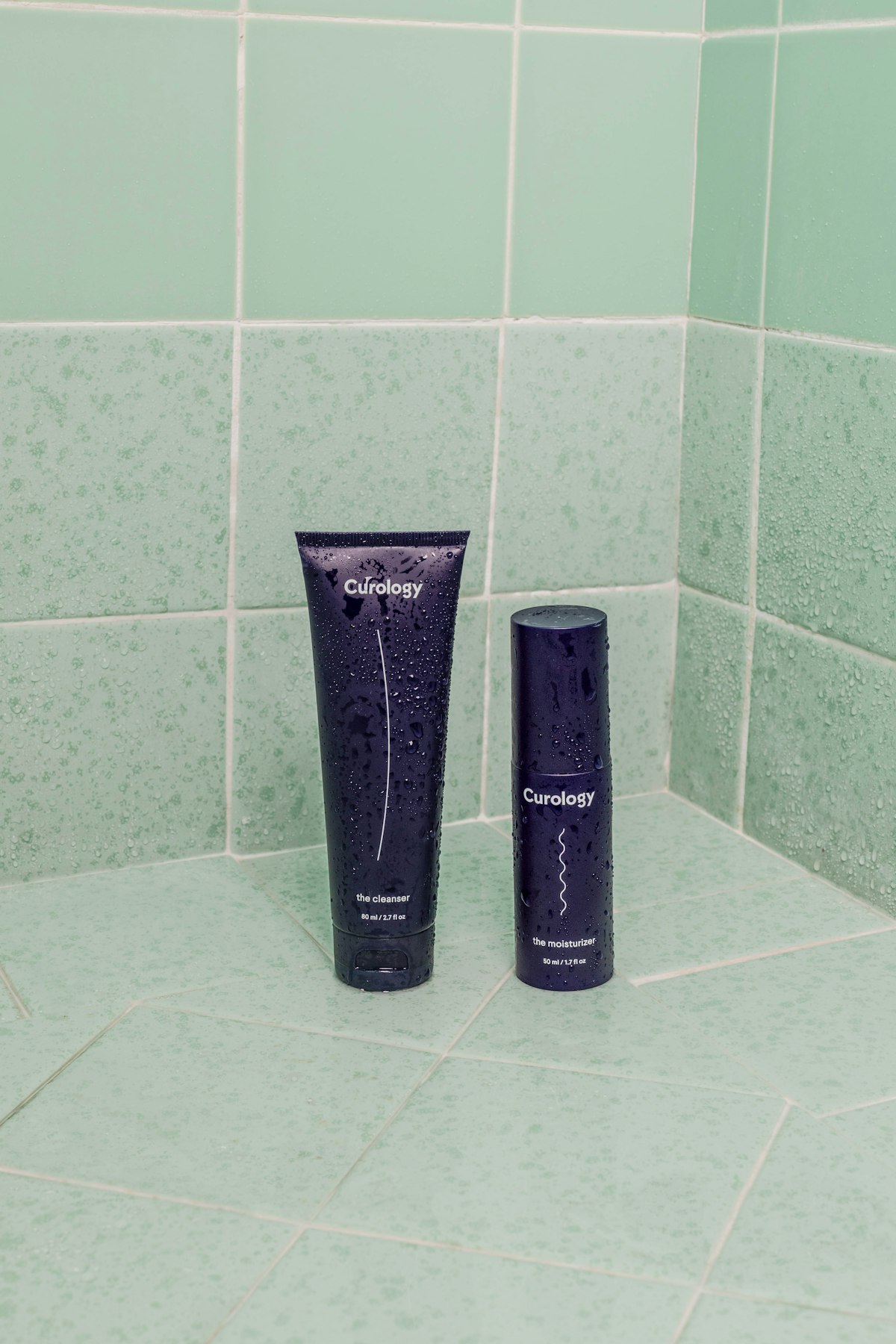
The beauty industry is in the middle of a peptide product explosion. Cosmetics Business reported eight new peptide-based product launches in a single month. That is not a slow trickle. That is a flood. And it is happening because consumers are actively searching for peptide ingredients in a way they never did before.
The term “peptide therapy” is trending across social media platforms. On TikTok, videos tagged with peptide skincare have accumulated over two billion views. On Instagram, peptide-related posts have grown by forty percent year over year. What started as a dermatologist-approved ingredient category has become a consumer-driven movement. Brands are responding by launching peptide products at every price point — from drugstore serums at fifteen dollars to clinical-grade treatments at two hundred dollars.
Eight New Launches Tell the Story
Cosmetics Business tracked eight new peptide product launches in the most recent reporting period. The products span multiple formats: serums, creams, eye treatments, masks, and even peptide-infused patches. The diversity of formats matters because it shows that brands are moving beyond the standard serum bottle. Peptide patches, for example, use a different delivery mechanism — occlusive adhesion that drives ingredients into the skin over several hours. That is a meaningful innovation.
The brands behind these launches range from indie startups to established luxury houses. What they share is a common ingredient strategy: multi-peptide complexes rather than single-peptide hero ingredients. The science supports this approach. Different peptides trigger different signaling pathways. A blend of Matrixyl, Argireline, and GHK-Cu covers collagen production, muscle relaxation, and tissue repair simultaneously.
Expert Insight
But here is what the trend data does not tell you. More products means more variability in quality. Peptide concentration matters enormously, and most brands do not disclose their concentrations on the label. That serum with “triple peptide complex” on the front could contain one percent of active peptides or zero point zero one percent — and you would not know the difference from the marketing copy. The only reliable signal is clinical testing. If the brand has published a peer-reviewed study, the concentration is probably meaningful. If not, you are paying for the label claim.
Peptide Patches: The New Frontier
One of the most interesting developments in this wave is the emergence of peptide patches. These are hydrogel or silicone patches infused with specific peptide complexes. You apply them to targeted areas — crow’s feet, nasolabial folds, forehead lines — and leave them on for four to eight hours. The occlusive environment increases peptide penetration by preventing water evaporation.
The data on peptide patches is still limited. Most evidence comes from small studies funded by manufacturers. But the mechanism is sound. A peptide sitting on the skin in a cream that evaporates in twenty minutes has less time to penetrate than a peptide held against the skin by an occlusive patch for eight hours.
What the Trend Means for Consumers
The peptide product explosion is good news for the category. More competition means better formulations and lower prices over time. But in the short term, it creates a lot of noise. Consumers need to look past the marketing and focus on three things: concentration transparency, clinical testing, and formulation stability. A peptide in a properly formulated product at the right concentration can produce visible results in eight to twelve weeks.
Further Reading
- NIBEC Launches KLARA Beauty: Korean Regenerative Peptide Science Hits the US
- GHK-Cu: The Complete Science Guide to Copper Peptides
- Palmitoyl Tripeptide-38: The Matrix-Reconstructing Signal Peptide
Last reviewed: July 2026. Peptide Proof Editorial Team. Sources: Cosmetics Business, glossy.co, Byrdie.