Home Blog Page 35

Cetaphil推出Healthy Renew肽类抗衰系列,大众护肤巨头的肽赛道入场

大众护肤品牌Cetaphil正在做一件出乎许多人意料的事——推出一款不含视黄醇的抗衰老系列。这个名为Healthy Renew的新系列,核心成分是纯化肽类复合物。母公司Galderma将其定位为”视黄醇替代方案”,主打敏感肌也能耐受的抗衰老护理。

这件事的意义在于:当全球最大的一批大众护肤品牌开始押注肽类成分,这个赛道就不再只是小众实验室品牌的游戏了。

一次典型的「大厂入场」动作

Cetaphil Healthy Renew系列在2026年第一季度进入印度市场,包含精华、眼霜和日霜等多款产品。Galderma选择肽类作为核心技术路线,而不是传统的视黄醇或维生素C,这是一个值得关注的战略信号。

从产品定位看,Healthy Renew系列瞄准的是一个明确的用户痛点:想要抗衰老效果,但皮肤不耐受视黄醇。视黄醇虽然是经过几十年验证的抗衰老成分,但其刺激性让大量敏感肌用户望而却步。肽类提供了另一种路径——作用机制不同,但同样能刺激胶原蛋白生成。

Galderma作为皮肤科领域的全球巨头(旗下还有Soolantra、Epiduo等处方药品牌),选择在Cetaphil这个大众线引入肽类技术,说明他们看到了肽类成分从高端小众走向大众市场的窗口期。

大众品牌的入局意味着什么

数据背后是一个正在加速的市场趋势。根据Spate的市场研究数据,”peptide therapy”在Google上的搜索量同比增长了百分之二百八十一,在TikTok上增长了百分之四百五十九,在Instagram上增长了百分之四百一十二。预计未来一年还将有百分之三十三的额外增长。

Cetaphil不是第一个入局的大众品牌。在此之前,Neutrogena母公司Kenvue推出了搭载专利微肽技术的Collagen Bank系列,CeraVe也在加大肽类成分的布局。但Cetaphil的入局具有标志性意义——它是全球皮肤科医生推荐最多的品牌之一,其产品决策直接影响药店和超市货架上的品类结构。

所以问题来了:当Cetaphil都在做肽类抗衰老,视黄醇的江湖地位会不会被动摇?

专家视角

但大多数消费者忽略了一个关键点。肽类和视黄醇并不是非此即彼的选择。YSE Beauty的创新顾问Lorne Lucree在接受Glossy采访时指出,肽类在护肤中其实已经存在多年,真正改变的是消费者认知——当大众品牌开始教育市场”肽类有效”,整个品类的天花板就会被抬高。聪明的做法不是二选一,而是叠加使用:视黄醇负责加速细胞更新,肽类负责为胶原蛋白提供构建原料。

这意味着什么?对于消费者来说,Cetaphil的入场意味着肽类抗衰老产品将不再局限于高端药妆品牌。而对于我们这样关注肽类成分的团队来说,大众品牌的教育效应实际上是好事——更多用户尝试肽类产品,意味着整体市场的增长。

这件事我会持续跟踪。Cetaphil Healthy Renew系列在印度市场的表现,将是检验肽类大众化的一张重要考卷。

延伸阅读

审阅时间:2026年6月。信息来源:Glossy, Happi, PR Newswire, Campaign India

Argireline Science: How Botox-in-a-Bottle Peptides Work

Few skincare ingredients carry a nickname as bold as “Botox in a bottle.” Argireline earned that label and it stuck. But the nickname does a disservice to the actual science. Argireline is not diluted Botox. It is not a toxin. It works through a completely different biological pathway. And understanding that pathway is the difference between using this peptide well and wasting your money. This article unpacks the real science of Argireline — what it is, how it works, what the data says, and what experienced formulators know that most brands will not tell you.

What Is Argireline and Where Did It Come From?

Argireline is the trade name for Acetyl Hexapeptide-8. Lipotec SA, a Spanish biotech company now owned by Lubrizol, developed it in the early 2000s. The molecule is a six-amino-acid peptide with the sequence Acetyl-Glu-Glu-Met-Gln-Arg-Arg-NH2. The acetyl group on one end and the amide group on the other protect the peptide from rapid enzymatic breakdown. This is the first thing formulators learn about Argireline.

The origin story matters. Lipotec did not stumble onto this peptide by screening random sequences. They designed it rationally. The team studied the molecular mechanism of botulinum toxin. That toxin cleaves SNAP-25, a protein essential for neurotransmitter release. But toxins are too dangerous for topical use. So Lipotec asked a different question. Could a small peptide mimic a fragment of SNAP-25 and compete with the full protein? The answer was yes. That insight produced Argireline.

Blanes-Mira and colleagues published the foundational paper in the International Journal of Cosmetic Science in 2002. The paper described the design, synthesis, and initial testing of the hexapeptide. Twenty years later, it remains the most cited paper in the cosmetic peptide field. The study reported a wrinkle depth reduction of roughly thirty percent after thirty days of twice-daily application at a ten percent concentration. Those numbers launched an industry.

How Argireline Works: The SNARE Complex Mechanism

Here is where the science gets fascinating. Argireline does not paralyze muscles the way Botox does. It dials down muscle contraction instead of switching it off. Let me break this down step by step.

Every muscle contraction in your face starts with a signal. A nerve impulse travels down to the neuromuscular junction. That junction is a microscopic gap between the nerve ending and the muscle fiber. When the signal arrives, the nerve needs to release acetylcholine. Acetylcholine is the neurotransmitter that tells the muscle to contract. This release depends on a molecular machine called the SNARE complex.

The SNARE complex is a bundle of three proteins. These proteins are SNAP-25, syntaxin, and VAMP. They work together like a zipper. When the nerve signal arrives, the zipper pulls a vesicle full of acetylcholine toward the nerve membrane. The vesicle fuses with the membrane. Acetylcholine spills into the gap. The muscle contracts. That is the normal sequence.

Argireline mimics a specific fragment of SNAP-25. Specifically, it copies the N-terminal domain. This is the region of SNAP-25 that binds to the other SNARE proteins to start forming the zipper. When Argireline is present at sufficient concentration, it occupies that binding site. The full SNAP-25 protein cannot form the SNARE complex. Vesicle docking stalls. Acetylcholine release drops. Muscle contraction weakens.

But here is the critical difference from Botox. Botox enters the nerve terminal and permanently cleaves SNAP-25. The nerve cannot release acetylcholine at all until it synthesizes new SNAP-25 protein. That takes weeks. Argireline competes reversibly. It binds and unbinds. The effect is partial and dynamic. Your facial muscles still move. They just do not contract as forcefully. You keep natural expression while reducing the repetitive folding that creates wrinkles.

Now you might wonder about a practical question. How does a peptide applied to the skin surface reach the neuromuscular junction? The answer involves the penetration challenge that every peptide formulator faces.

The Penetration Problem That Defines the Category

Argireline is a peptide. Peptides are water-soluble. The outer layer of human skin is the stratum corneum. The stratum corneum is lipophilic. It repels water. This is nature’s barrier. It keeps water in your body and keeps water-soluble things out. Most of the Argireline you apply never reaches the deeper skin layers where the neuromuscular junctions sit.

Lipotec estimated that roughly 0.1 percent of applied Argireline penetrates the stratum corneum. That is one part in a thousand. The other 99.9 percent sits on the surface and eventually gets washed off or degraded. This is not a failure of the molecule. It is a fundamental challenge of topical peptide delivery. Every peptide in skincare faces this same barrier.

So what do formulators do about this? The answer is delivery systems. The most common approach uses penetration enhancers. Ingredients like pentylene glycol, ethoxydiglycol, or dimethyl isosorbide temporarily disrupt the lipid packing in the stratum corneum. They create small openings that let water-soluble molecules slip through. Another approach uses encapsulation. Liposomes, niosomes, or solid lipid nanoparticles can carry Argireline across the barrier. The lipid shell of the carrier fuses with the skin’s lipid layers and releases the peptide inside.

A third option is microneedling. Creating microscopic channels through the stratum corneum bypasses the barrier entirely. But that requires a device and is not practical for daily skincare. The fourth and most sophisticated approach uses chemical modification. Attaching a fatty acid chain to the peptide makes it more lipophilic. The modified peptide partitions into the stratum corneum more easily. Once inside, cellular enzymes cleave the fatty acid and release the active peptide. This is sometimes called a pro-peptide strategy.

Lipotec addressed this directly with their second-generation product. SNAP-8 is an elongated version of Argireline. It adds two amino acids to the chain. The extra length improves binding affinity to the SNARE complex. That means less peptide needs to penetrate to achieve the same effect. Later, Lipotec developed Inyline. Inyline combines a SNAP-25 inhibitor peptide with a penetration-enhancing carrier built into the same molecule. The delivery problem and the activity problem are solved together.

What the Clinical Data Actually Shows

Let us look at the numbers. The original Blanes-Mira study in 2002 enrolled ten women. They applied a ten percent Argireline oil-in-water emulsion to one side of the face twice daily for thirty days. The other side received placebo. Silicone replica analysis measured wrinkle depth. The Argireline-treated side showed a 30.1 percent reduction in wrinkle depth at the periorbital area. That is the crow’s feet region around the eyes. The placebo side showed zero change. The result was statistically significant with a P-value below 0.05.

Now here is what most marketing copy leaves out. The 30.1 percent reduction is an average. The individual responses varied widely. Some volunteers saw wrinkle depth drop by more than fifty percent. Others saw less than ten percent. The small sample size of ten women means we cannot draw firm conclusions about who responds best. But the pattern matches what we see with most topical peptides. Response depends heavily on skin penetration. People with thinner stratum corneum or better barrier disruption tend to respond more.

A second study published by Ruíz Martínez and colleagues in 2009 examined Argireline combined with other peptides. They tested a formulation containing ten percent Argireline alongside Leuphasyl, another neurotransmitter-inhibiting peptide that targets enkephalin receptors. The combination outperformed Argireline alone. Wrinkle depth reduction reached roughly forty-seven percent over twenty-eight days. This makes biological sense. The two peptides attack the wrinkle-forming process at two different points. Argireline blocks acetylcholine release at the SNARE complex. Leuphasyl blocks the enkephalin pathway that modulates muscle contraction differently. Together they produce a stronger signal with less total peptide load.

Independent studies have remained limited. Most published data on Argireline comes from Lipotec or its commercial partners. This does not make the data invalid. The methodology is sound. But independent replication from academic labs unaffiliated with the manufacturer would strengthen the evidence base. A 2015 review in the Journal of Cosmetic Dermatology noted this gap and called for more investigator-initiated trials.

Expert Insight: What Experienced Formulators Know

Here is something most brands will not print on their packaging. The concentration number on the label tells you almost nothing about whether the product will work. What matters is how much peptide reaches the target site. And that depends entirely on the delivery system.

I have seen formulations labeled “five percent Argireline” that outperform “ten percent” products. The five percent version used a liposomal delivery system. The ten percent version was a simple aqueous cream. The liposomes carried more peptide across the stratum corneum despite containing half the nominal concentration. This is one of the most common mistakes brands make. They assume a higher percentage on the label means a better product. It does not. The vehicle is everything.

Here is another thing the data does not tell you. Argireline degrades in water over time. The peptide backbone is susceptible to hydrolysis. In a water-based serum, Argireline loses roughly ten to fifteen percent of its activity per month at room temperature. This means a product sitting on a shelf for six months may deliver substantially less active peptide than a freshly manufactured batch. Lyophilized Argireline stored as a dry powder is stable for years. Once reconstituted in water, the clock starts ticking. This is why freeze-dried peptide formats make scientific sense for skincare. They separate the peptide from water until the moment of use. Our own GHK-Cu and Argireline products ship as lyophilized powder for exactly this reason.

A third reality check concerns the timeline. Most marketing claims suggest visible results in one to two weeks. The actual data says something different. The thirty-day studies showed significant results at day thirty. They did not measure day seven or day fourteen. We simply do not know how fast the effect accumulates. But based on the mechanism, the effect should build gradually. You are competing with a biological process, not shutting it off. Plan for at least four to six weeks of consistent use before evaluating results.

The last thing experienced formulators watch for is the formulation pH. Argireline is most stable around a pH of six to seven. Acidic formulations below pH five accelerate degradation. The popular trend of low-pH exfoliating toners layered with peptides creates a problem. If you apply a pH three exfoliant and immediately layer an Argireline serum on top, the residual acid on your skin can degrade the peptide before it even gets a chance to penetrate. Separate acidic products from peptide products by at least fifteen to twenty minutes.

How Argireline Compares to Other Anti-Wrinkle Peptides

Argireline is not the only peptide targeting expression lines. The category has expanded significantly in the past decade. Here is how the major players compare.

Matrixyl targets a completely different mechanism. Matrixyl is Palmitoyl Pentapeptide-4. Instead of blocking muscle contraction, it signals fibroblasts to produce more collagen. It mimics the fragment of type I procollagen that cells recognize as a repair signal. Matrixyl builds skin structure from within. Argireline reduces the mechanical stress that damages that structure. The two approaches are complementary. Many advanced formulations combine them for this reason. Argireline softens the expression lines while Matrixyl rebuilds the underlying matrix.

GHK-Cu is a copper-binding tripeptide that functions as a wound-healing signal. It stimulates collagen synthesis, promotes angiogenesis, and acts as an anti-inflammatory. GHK-Cu does not touch the neuromuscular junction at all. It restores damaged tissue. Argireline prevents the repetitive micro-damage that expression creates. Again, complementary mechanisms. Using Argireline during the day and GHK-Cu at night addresses both sides of the wrinkle equation.

Leuphasyl is the closest direct comparison to Argireline. Leuphasyl is a pentapeptide that works on the enkephalin pathway. Enkephalins are endogenous opioids that modulate neurotransmitter release. Leuphasyl reduces the calcium influx that triggers vesicle fusion. Argireline blocks the SNARE complex directly. The two peptides target different points in the same overall pathway. This is why the combination studies show better results than either peptide alone. You get a broader blockade of the muscle contraction signal.

SNAP-8 is essentially Argireline with a longer chain. It has a higher binding affinity for the SNARE complex. Some formulators argue that SNAP-8 makes Argireline obsolete. The counterargument is that the longer peptide chain may penetrate even less efficiently. No head-to-head clinical comparison of the two peptides at equivalent formulated doses has been published. Until that study exists, both molecules have a place in the toolbox.

Practical Takeaways for Your Routine

So what should you actually do with all this information? Let me translate the science into actionable decisions.

First, look for Argireline in leave-on products. Serums and creams that stay on your skin give the peptide time to penetrate. Rinse-off products like cleansers waste the peptide entirely. It never has time to cross the stratum corneum.

Second, prioritize delivery systems over concentration percentages. A product containing Argireline at five percent with a liposomal carrier will likely outperform a ten percent product in a basic aqueous formula. Look for terms like “liposomal,” “encapsulated,” or “delivery system” on the packaging. The presence of penetration enhancers like ethoxydiglycol or dimethyl isosorbide in the ingredient list is a positive sign.

Third, apply Argireline to clean skin before heavier products. Water-soluble peptides compete with oils and silicones for skin contact. A lightweight Argireline serum applied first gets the best chance to penetrate. Follow with moisturizers or sunscreens after giving the serum two to three minutes to absorb.

Fourth, consider the format. Lyophilized powder formats eliminate the stability problem. You reconstitute fresh peptide each time you use it. The peptide never sits in water degrading for weeks or months. Serum formats are more convenient but deliver less active peptide over the product’s lifetime. Choose based on whether you prioritize maximum efficacy or maximum convenience.

Fifth, pair Argireline with complementary peptides for better results. Argireline plus Matrixyl targets both the cause and the consequence of wrinkles. Argireline plus antioxidants like vitamin C protects the collagen you already have while reducing mechanical stress on it. Argireline plus sunscreen prevents light-induced collagen breakdown from undermining your peptide investment.

Sixth, be patient. The mechanism is biological competition, not pharmacological blockade. Effects accumulate over weeks, not days. Track your progress with photos at day zero, day thirty, and day sixty. The day-to-day mirror check will not show you the trend. Side-by-side photos will.

Seventh, keep acids and peptides separate in your routine. If you use an AHA or BHA exfoliant, apply it in the evening. Use your Argireline product in the morning. If you must use both in the same session, apply the acid first. Wait at least twenty minutes. Then apply the peptide. The time gap allows your skin pH to return to normal before the peptide arrives.

Further Reading


Share this article: X (Twitter) · LinkedIn · Email

Last reviewed: June 2026. Peptide Proof Editorial Team.

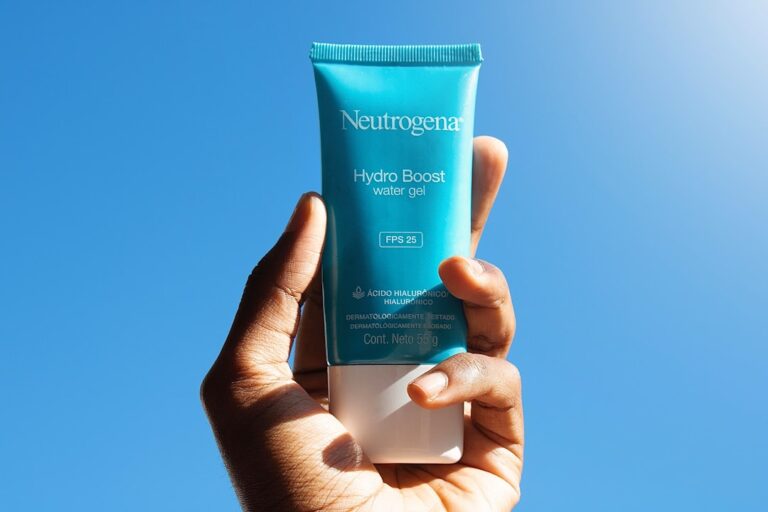
Neutrogena母公司Kenvue推出专利微肽技术,大众护肤品牌加速入局肽类赛道

Kenvue公司旗下Neutrogena品牌近日推出了全新的Collagen Bank系列护肤品,核心技术是一种被称作”微肽技术”的专利成分。这则新闻对护肤行业的意义可能比表面上看要大得多——因为它标志着肽类护肤正在从高端药妆渠道全面渗透进大众日化渠道。

Kenvue是谁?如果你不熟悉这个名字,你肯定知道它旗下的品牌:Neutrogena、Aveeno、露得清、Tylenol。Kenvue是强生公司分拆出来的消费者健康业务,2023年独立上市,目前是全球最大的纯消费者健康公司之一。当这样一个体量的公司决定把”微肽技术”作为核心卖点来推一条产品线时,这件事就值得认真关注了。

让我们来看这背后的行业逻辑。

微肽技术到底是什么

Kenvue的这套技术被他们称为”专利微肽技术”,搭载在Neutrogena的Collagen Bank系列中。根据产品描述,Collagen Bank的核心理念是”帮助皮肤储存和保护胶原蛋白”,而不是简单地”补充胶原蛋白”——这是一个微妙的但非常重要的区别。

传统的胶原蛋白护肤品思路是:把胶原蛋白分子涂在皮肤上,让它渗透进去。问题在于,胶原蛋白分子太大,很难穿透皮肤屏障。肽类的思路完全不一样。小分子肽不是补充胶原蛋白本身,而是向皮肤细胞发送信号,告诉它们”该生产胶原蛋白了”。而Kenvue的微肽技术更进一步——它宣称能帮助保护皮肤中已有的胶原蛋白不被降解。这种”保护存量”的思路,比”补充增量”的逻辑要科学得多。

这里有一个大多数消费者不知道的事实:皮肤中的胶原蛋白每天都在自然降解。到了三十岁以后,胶原蛋白的降解速度会超过生成速度。市面上绝大多数抗衰老产品在做的事情是刺激新的胶原蛋白生成。但如果能同时阻止降解,效果会好得多。这就是Kenvue微肽技术的核心逻辑——它可能同时作用于生成和降解两个方向。

大众市场入局意味着什么

从消费趋势的角度来看,Neutrogena选择在这个时间点推出Collagen Bank系列,跟几个大趋势有关。

第一,肽类护肤的消费者认知已经成熟。根据Spate市场研究的数据,肽疗法在谷歌上的年搜索增长率达到百分之二百八十一,在TikTok上达到百分之四百五十九。当消费者已经主动在搜索”肽类护肤”时,大众品牌入场就顺理成章了。

第二,从高端到大众的渗透路径正在加速。肽类成分最早出现在医用修复产品中,然后进入高端院线品牌(比如SkinMedica的TNS精华售价超过两百美元),再到中高端药妆(比如Drunk Elephant、Paula’s Choice),现在到了大众药店渠道(Neutrogena、Cetaphil)。这让肽类护肤的价格门槛大幅降低。

第三,”皮肤长寿”取代”抗衰老”成为新的叙事框架。Collagen Bank的营销语言强调的是”在皮肤还健康的时候就开始保护它”,而不是”等皱纹出现了再修复它”。这个转变非常关键——它把目标用户从四十岁以上的”抗衰老人群”拓展到了二十多岁就开始关注”皮肤健康”的年轻群体。

Neutrogena这次还请来了漫威鹰眼主演Hailee Steinfeld作为品牌代言人,并推出了一套名为”Bank Your Glow”的短篇小说系列营销活动。这种跨界的创意营销方式,也反映出品牌希望通过更年轻化的叙事来触达新消费者。

延伸阅读

Share this analysis:
X (Twitter)
LinkedIn
Email

Last reviewed: June 2026. Peptide Proof Editorial Team. Sources: Happi, Drug Store News, Cosmetics & Toiletries
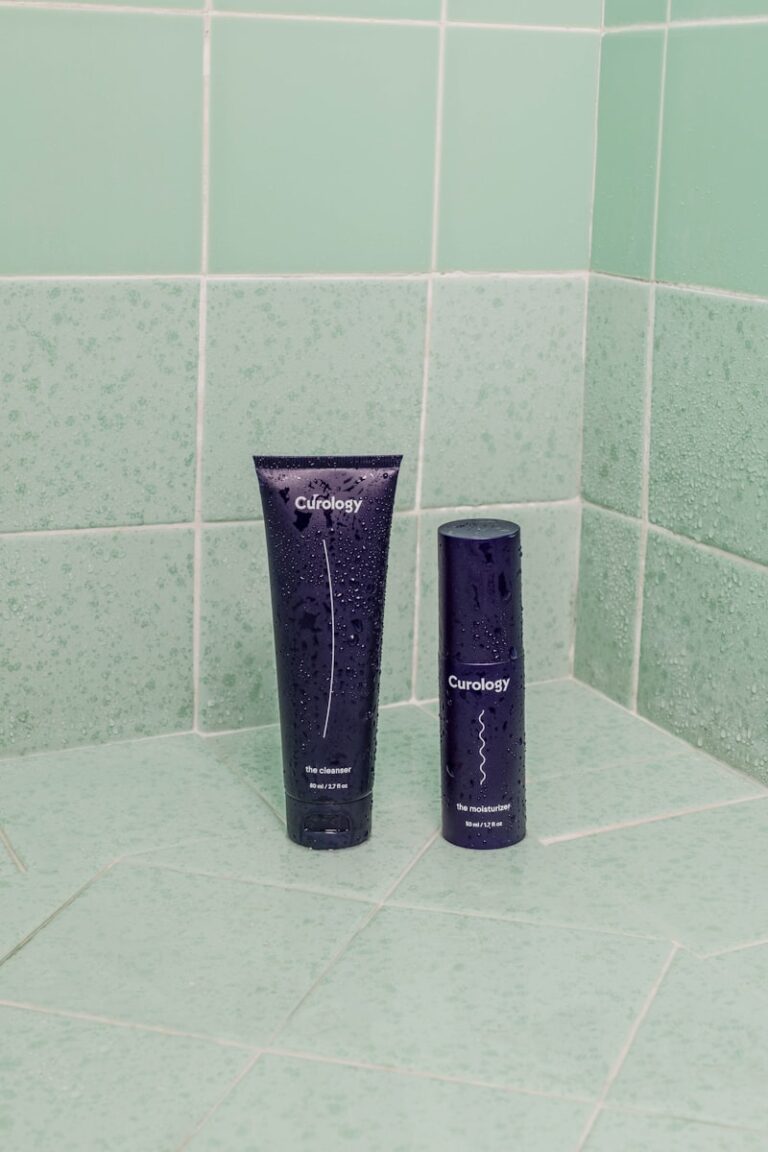
COSRX推出蓝色肽精华液,韩妆巨头入局「皮肤长寿」赛道

韩国知名护肤品牌COSRX最近推出了一款蓝色肽精华液,名为Blue Peptide Bakuchiol Plump Glow Serum。这款新品主打”皮肤长寿”概念,将多肽成分与传统韩方护肤成分补骨脂酚结合在一起。COSRX的这次新品发布,标志着肽类护肤正在从高端小众走向大众市场,而”皮肤长寿”正在成为行业的新关键词。

这次COSRX的新品发布有几个值得关注的信号。首先,这是COSRX首次推出以肽为核心卖点的精华液产品。作为韩国最具影响力的药妆品牌之一,COSRX之前以AHA/BHA去角质、积雪草修复等产品线闻名。现在他们把目光投向肽类抗衰老,说明这个赛道已经足够成熟,吸引了主流韩妆品牌的入场。

但这背后还有一个更深层的趋势在推动。

“皮肤长寿”:肽类护肤的新叙事

这款精华液的定位非常巧妙。COSRX没有用传统的”抗衰老”或”除皱”来宣传,而是用了”皮肤长寿”这个新概念。这个词最近在护肤行业越来越频繁地出现。它跟传统的”抗衰老”有什么不同?简单来说,抗衰老说的是”对抗已经出现的老化问题”,而皮肤长寿说的是”维持皮肤细胞的健康状态,延缓老化过程本身”。

肽类成分恰恰是皮肤长寿概念的最佳载体。小分子肽能穿透皮肤表层,向成纤维细胞发送信号,刺激胶原蛋白和弹性蛋白的生成。这不是修复已经形成的皱纹,而是帮助皮肤维持自身的再生能力。从这个角度看,肽类精华和皮肤长寿概念是天作之合。

那么这款产品的具体配方有什么特别之处?COSRX在这款蓝色肽精华中使用了两种核心成分。一种是蓝色肽复合物,也就是多种信号肽的组合。另一种是补骨脂酚,一种源自印度植物补骨脂的天然成分。补骨脂酚被称为”植物视黄醇”,它有类似维A醇的抗衰老效果,但没有维A醇的刺激性和光敏性。把肽类和补骨脂酚放在一起,等于同时从两个方向攻击皮肤老化:肽类促进胶原合成,补骨脂酚促进细胞更新。

有意思的是,COSRX选择用”蓝色”来命名这款精华。这不仅仅是因为产品本身是淡蓝色的质地。蓝色在护肤营销中代表什么?它暗示着冷静、科技感和专业性。配合透明磨砂瓶身的设计,整个产品的视觉语言传达的是”科学有效”而非”奢华享受”。这种定位策略跟COSRX一贯的药妆极简风格是一致的。

韩妆巨头入局,肽类护肤进入新阶段

COSRX入局肽类护肤,这件事本身就是一个行业信号。作为全球增长最快的韩妆品牌之一,COSRX的每一次产品方向调整都会被行业密切关注。

这里有一个很多消费者会问的问题:COSRX的肽类精华跟市面上已有的肽类产品有什么不同?市面上已经有很多肽类精华了,比如The Ordinary的多肽精华、Drunk Elephant的Protini面霜、SkinMedica的TNS精华。COSRX的差异化在于两点。第一是价格定位,COSRX一向以高性价比著称,这款蓝色肽精华的定价大概率会低于欧美竞品。第二是配方思路,把肽类和韩式植萃成分结合,而不是单纯的肽类复配。这种”东方草本加西方胜肽”的思路,正是韩妆品牌的独特优势。

另一个值得关注的角度是品类扩张。肽类成分在护肤中的应用正在从面霜和精华扩展到更多品类。COSRX这次推出的是精华液,但蓝色肽系列未来可能会拓展到面霜、眼霜甚至面膜。品牌一旦确定了一个成分方向,通常会围绕它构建完整的产品矩阵。

所以这件事的意义不仅仅是一款新品上市。它意味着肽类护肤正在经历从”功效成分”到”品类基石”的转变。当一个像COSRX这样体量的品牌把一个成分定位为核心产品线时,这个成分就已经走过了教育期,进入了爆发期。

延伸阅读

Share this analysis:
X (Twitter)
LinkedIn
Email

Last reviewed: June 2026. Peptide Proof Editorial Team. Sources: PR Newswire, Longevity.Technology
FDA Moves to Reclassify 12 Peptides in Major Regulatory Shift Driven by RFK Jr.

Executive Summary

The U.S. Food and Drug Administration announced on June 18, 2026 that it will convene an advisory committee in July 2026 to review whether seven peptide injections should be approved for compounding pharmacy production. Simultaneously, the agency will remove 12 peptides from the Category 2 bulks list — a restrictive classification reserved for unapproved, high-risk substances that cannot be compounded. The moves follow sustained pressure from Health and Human Services Secretary Robert F. Kennedy Jr. and the Make America Healthy Again (MAHA) movement, representing the most consequential shift in peptide regulation since the FDA began tightening compounding rules under the Biden administration.

Context / Background

The regulatory framework for compounded peptides sits at the intersection of drug safety law, pharmacy practice, and the growing consumer demand for “wellness” injectables. Under Section 503A of the Federal Food, Drug, and Cosmetic Act, compounding pharmacies can prepare customized medications using bulk drug substances — but only if those substances appear on the FDA’s approved bulks list or have a USP/NF monograph.

Under President Biden, the FDA took an increasingly restrictive stance. Between 2022 and 2024, the agency added nearly 20 peptides — including BPC-157, Thymosin Alpha-1, and AOD-9604 — to Category 2, effectively banning their use in compounding. The FDA’s Pharmacy Compounding Advisory Committee (PCAC) voted overwhelmingly that these substances “present significant safety risks” because most lack human clinical data. The peptide compounding industry, wellness influencers, and now the HHS Secretary himself have pushed back hard, arguing the restrictions limit patient access to promising therapies.

The Data / The Decision

Action Detail
Peptides under review (advisory committee) 7 peptides to be evaluated for compounding eligibility
Peptides being removed from Category 2 12 peptides reclassified to allow compounding
Advisory committee meeting July 2026
Peptides previously added to Category 2 (Biden era) ~20 peptides (2022–2024)
Key driver HHS Secretary RFK Jr. + MAHA movement
RFK Jr. personal involvement Has discussed using peptides for his own injuries
MAHA influencer involved Gary Brecka (sells peptide formulas via website)
Parallel action FDA moving to remove GLP-1 drugs from 503B bulks list (separate, more restrictive action)
Critics Dr. Peter Lurie (CSPI): “The Wild West is about to become wilder”
Former FDA position Most compounded peptides “present significant safety risks”

Expert Insight

Anti-pattern: Treating this as a simple “pro-access vs. pro-safety” debate. Experienced regulatory professionals know the real strategic issue is regulatory pathway arbitrage. If peptides can reach patients through compounding pharmacies without an NDA or BLA, why would any company invest the $1–2 billion and 10–12 years required for formal drug approval? Dr. Peter Lurie’s warning — “I don’t see why one would take the path of a proper drug approval if there is now this less rigorous, alternative path to market” — isn’t hypothetical. The peptide therapeutics industry, which has attracted over $5 billion in venture funding since 2020, depends on a regulatory regime that rewards clinical development with market exclusivity.

The second-order effect most commentators miss: this reclassification doesn’t just affect wellness peptides like BPC-157. It creates a precedent for how the FDA handles the entire category of peptide drugs, including therapeutic peptides in active clinical development. A company with a Phase 2 peptide asset may now face competition from compounding pharmacies before it even reaches Phase 3 — a scenario that would fundamentally alter risk calculations for peptide biotech investors. CDMOs like Bachem and CordenPharma are watching this closely; expanded compounding could cannibalize the commercial manufacturing market they’re building capacity for.

Frequently Asked Questions

Which specific peptides is the FDA reviewing?

The FDA has not published the complete list of seven peptides to be reviewed at the July advisory committee meeting. Based on regulatory filings and industry reporting, the list is expected to include several peptides that were added to Category 2 during the Biden administration, including BPC-157, Thymosin Alpha-1, AOD-9604, and potentially GHK-Cu. The 12 peptides being removed from Category 2 include substances for which sufficient safety data or historical compounding precedent exists. The full docket will be published 30 days before the meeting.

How does this differ from the FDA’s separate action on GLP-1s?

These are two distinct regulatory actions moving in opposite directions. The peptide reclassification (this story) represents a loosening of restrictions — making it easier for compounding pharmacies to produce certain peptides. In contrast, the FDA is simultaneously moving to remove GLP-1 medications (semaglutide, tirzepatide) from the 503B bulks list, which would restrict large-scale compounding of these drugs by outsourcing facilities. The GLP-1 action protects the commercial market for approved drugs; the peptide reclassification opens the market for unapproved ones. The apparent contradiction reflects the complex political dynamics now shaping FDA policy.

What does this mean for the legitimate peptide therapeutics industry?

The impact is mixed and depends on which peptides are reclassified. For companies developing novel, patent-protected peptide drugs (GLP-1 multi-agonists, peptide-drug conjugates, macrocycles), the direct impact is minimal — these molecules are too complex for compounding pharmacies to replicate. However, for companies working on shorter, linear peptides that can be synthesized by compounding facilities, the reclassification introduces a new competitive threat. More broadly, the regulatory uncertainty may affect investor sentiment: if the FDA’s commitment to the NDA/BLA pathway for peptides is perceived as weakening, the premium that peptide biotechs command in M&A could compress.

Further Reading

Share this analysis:
X (Twitter)
LinkedIn
Email

Last reviewed: June 2026. Peptide Proof Editorial Team. Source: PBS News / Associated Press
Vedana Therapeutics Launches With $46M to Target PACAP Neuropeptide for Migraine

Executive Summary

Vedana Therapeutics launched from stealth on June 17, 2026 with a $46 million Series A round to develop antibody drugs targeting PACAP (pituitary adenylate cyclase-activating polypeptide), a neuropeptide that drives migraine attacks through a pathway distinct from the well-established CGRP mechanism. The startup, backed by Westlake BioPartners and Canaan Partners, is led by the scientific and clinical teams that built the multi-billion-dollar CGRP migraine drug class at Alder Biopharmaceuticals, Labrys Biologics, and Amgen. With two programs — one targeting PACAP alone and a dual PACAP/CGRP bispecific — Vedana aims to enter human trials in 2027.

Context / Background

The CGRP inhibitor class — including Aimovig (erenumab), Ajovy (fremanezumab), and Emgality (galcanezumab) — transformed migraine prevention when it launched in 2018. These monoclonal antibodies block calcitonin gene-related peptide, a neuropeptide central to migraine pathophysiology. Combined, the class generates over $7 billion in annual revenue.

But a persistent problem remains: more than 50% of patients either do not respond to CGRP therapies or discontinue them within the first year. This treatment gap — estimated at 15–20 million patients worldwide — has sparked a race to identify the next migraine target. PACAP, a 38-amino-acid neuropeptide, has emerged as the leading candidate. It triggers vasodilation and neuroinflammation through PAC1, VPAC1, and VPAC2 receptors — a signaling cascade parallel to, but distinct from, CGRP.

The Data / The Deal

Metric Detail
Company Vedana Therapeutics (stealth until June 17, 2026)
Funding $46 million Series A
Lead Investors Westlake BioPartners, Canaan Partners
Target PACAP neuropeptide (anti-PACAP monoclonal antibodies)
Pipeline 2 programs: anti-PACAP monotherapy + PACAP/CGRP bispecific
Clinical Timeline Human trials expected to start in 2027
Key Competitor Lundbeck (ALD1910, Phase 2, via $2B Alder acquisition)
Other Competitors Mentari Therapeutics (reverse merger), Slate Medicines ($130M raised)
Leadership CEO Anurag Agarwal; CSO Leon Garcia (ex-Alder PACAP lead); CMO Ernesto Aycardi (ex-Teva Ajovy lead)
Board Rob Lenz (ex-Amgen Aimovig head), Marcelo Bigal (ex-Labrys CMO)

Expert Insight

Anti-pattern: Assuming PACAP will just be “CGRP 2.0.” Experienced teams know that the PACAP pathway has significant safety baggage. PACAP is broadly expressed — in the pituitary, adrenal medulla, and autonomic nervous system. Lundbeck’s ALD1910 showed signals of liver enzyme elevation and blood pressure effects in Phase 2, which is why the program hasn’t accelerated faster despite positive efficacy data. The winner in this space won’t be the company with the best PACAP binder — it will be the one that solves the therapeutic window problem. Vedana’s dual-targeting bispecific may help by allowing lower doses of each component.

Another underappreciated dimension: CGRP drugs succeeded partly because neurologists were desperate for migraine-specific options after decades of repurposed antidepressants and beta-blockers. PACAP drugs face a higher bar — they must demonstrate superiority over established, well-reimbursed CGRP therapies, not just novelty. Trial design matters enormously here; a head-to-head against CGRP standard-of-care is expensive but may be the only path to commercial relevance.

Frequently Asked Questions

What is PACAP and why does it matter for migraines?

PACAP (pituitary adenylate cyclase-activating polypeptide) is a 38-amino-acid neuropeptide that acts as a potent vasodilator and neuroinflammatory mediator. In migraine patients, PACAP levels spike during attacks, and intravenous PACAP infusion reliably triggers migraine-like headaches in clinical studies. Unlike CGRP, which primarily signals through the CGRP receptor, PACAP activates three distinct receptors (PAC1, VPAC1, VPAC2), offering multiple therapeutic intervention points that may benefit patients who don’t respond to CGRP blockade alone.

How does Vedana’s approach differ from Lundbeck’s anti-PACAP program?

Lundbeck acquired the anti-PACAP antibody ALD1910 through its $2 billion purchase of Alder Biopharmaceuticals in 2019. ALD1910 targets the PACAP ligand directly (like CGRP antibodies bind CGRP itself). Vedana has not disclosed whether its antibodies target the ligand or the PAC1 receptor, but its bispecific program — simultaneously targeting PACAP and CGRP — is a differentiated approach. The hypothesis: dual blockade may deliver superior efficacy for the hardest-to-treat patients, though it also introduces more complex safety considerations.

Is the anti-PACAP approach validated by clinical data?

Partially. Lundbeck’s ALD1910 succeeded in multiple Phase 2 trials, demonstrating statistically significant reductions in monthly migraine days. However, the magnitude of benefit has been modest relative to CGRP antibodies, and safety signals (transaminase elevations, blood pressure changes) have prevented an accelerated push to Phase 3. The field consensus: PACAP is a validated target, but the optimal modality (ligand blockade vs. receptor antagonism), dosing schedule, and patient selection criteria remain open questions — exactly the kind of problem a well-funded, focused startup is positioned to solve.

Further Reading

Share this analysis:
X (Twitter)
LinkedIn
Email

Last reviewed: June 2026. Peptide Proof Editorial Team. Source: BioPharma Dive
GHK-Cu Copper Peptide: The Science of Skin Repair

GHK-Cu is the most studied peptide in skincare. Period. Over one hundred and seventy published papers have examined this tiny three-amino-acid molecule since its discovery in 1973. If you have ever used a copper peptide serum, a post-procedure repair cream, or an anti-aging treatment that promised “skin remodeling,” there is a good chance GHK-Cu was doing the heavy lifting. But here is what most people do not know. The peptide was not invented in a cosmetics lab. It was found in human blood plasma, where it circulates naturally at roughly two hundred nanograms per milliliter until you reach your twenties. Then it starts to drop. By age sixty, your GHK levels have fallen by about sixty percent. This decline maps almost perfectly onto the visible signs of skin aging. Coincidence? The forty years of research since suggests otherwise.

The Accidental Discovery That Changed Skincare Science

Loren Pickart was not looking for an anti-aging molecule. He was studying liver cells in 1973 when he noticed something strange. Plasma from young donors made old liver cells behave young again. The cells started dividing. They produced more protein. They looked healthier under the microscope. Pickart isolated the factor responsible and identified it as a tripeptide — glycine, histidine, and lysine — with a strong affinity for copper. He named it GHK.

The copper connection turned out to be the key. GHK grabs onto copper ions with remarkable tenacity. Its binding constant for copper is about ten to the sixteenth power — one of the tightest naturally occurring copper chelators known. Once bound, the GHK-Cu complex becomes biologically active in ways that neither the naked peptide nor free copper ions can match. Pickart spent the next five decades studying it. He founded a company. He published dozens of papers. And the peptide slowly made its way from wound-healing research into dermatology and, eventually, into the bottle on your bathroom shelf.

What Actually Happens When GHK-Cu Reaches Your Skin

Most skincare ingredients work on a single pathway. Retinoids turn on retinoic acid receptors. Vitamin C donates electrons. Hyaluronic acid holds water. GHK-Cu does not play by those rules. It is what biologists call a pleiotropic molecule, which means it acts on multiple pathways simultaneously. This is not marketing language. It is a documented biological reality that the 2015 review by Pickart and colleagues in BioMed Research International laid out in exhaustive detail.

Let me break this down. When GHK-Cu enters the dermis, it binds to a cell surface receptor and triggers at least four separate cascades. First, it signals fibroblasts to ramp up collagen production — type one, type three, and type four collagen all increase. The foundational work on this came from Maquart and colleagues at the University of Reims. Their 1988 paper in FEBS Letters showed that GHK-Cu stimulates collagen synthesis in fibroblast cultures. Five years later, in a 1993 Journal of Clinical Investigation paper, they confirmed the same effect in living rat wounds. Collagen density went up. So did glycosaminoglycans, the spongy molecules that give skin its bounce. So did decorin, a protein that organizes collagen fibers into the tight, regular bundles seen in young skin.

Second, GHK-Cu attracts immune cells to damaged tissue. It is a chemoattractant for macrophages and mast cells, the cleanup crew that removes debris and signals other repair cells to arrive. Third, it stimulates the production of growth factors — VEGF, basic FGF, nerve growth factor. These are the chemical messengers that tell tissues to rebuild. Fourth, and this is the part that matters most for anti-aging, GHK-Cu resets the gene expression patterns of aging cells. Pickart’s 2012 paper in Oxidative Medicine and Cellular Longevity documented how GHK-Cu shifts gene expression away from a degenerative, inflammatory profile and back toward a repair-oriented, youthful one. The peptide does not just patch up damage. It tells the cell to stop acting old.

The Collagen Numbers That Matter

Here is the data that changed how dermatologists think about copper peptides. When researchers apply GHK-Cu to cultured human fibroblasts, collagen production increases by roughly two to three times the baseline. But it is the type of collagen that makes this interesting. Type one collagen is the workhorse — it gives skin its tensile strength and structure. Type three collagen is different. It is the “young” collagen, the kind found in fetal skin and healing wounds. As we age, the ratio of type three to type one collagen drops. GHK-Cu tilts that ratio back toward the youthful profile. It also upregulates elastin production by about forty percent, according to data from the Pickart lab. Elastin is the protein that lets skin snap back after you pinch it. We stop making meaningful amounts of it after puberty. Anything that restores elastin production in adult skin is worth paying attention to.

The mechanism behind these effects is surprisingly direct. GHK-Cu activates the TGF-beta signaling pathway, which is the master switch for tissue repair. It also suppresses MMPs, the matrix metalloproteinases that chew up collagen after UV exposure. One study found that GHK-Cu reduced MMP-1 and MMP-2 activity by thirty to fifty percent in UV-irradiated fibroblasts. That is a two-pronged effect. You make more collagen while simultaneously protecting the collagen you already have.

The Antioxidant Angle Nobody Talks About

Most people think of antioxidants as things you eat — vitamin C, vitamin E, polyphenols from berries. But your body has its own built-in antioxidant systems, and copper is central to one of the most important ones. Superoxide dismutase, or SOD, is an enzyme that converts the superoxide radical into hydrogen peroxide and oxygen. It is your first line of defense against oxidative damage. And it requires copper to function. GHK-Cu delivers copper in a safe, bioavailable form that feeds this system. Pickart’s oxidative stress paper from 2012 showed that GHK-Cu increases SOD activity while also directly quenching lipid peroxidation — the process that damages cell membranes. The peptide reduced ferritin-dependent lipid peroxidation by nearly ninety percent in one early study by Miller and colleagues, published in 1990.

This matters for skin aging because oxidative stress is the engine of photoaging. UV radiation generates free radicals that attack collagen, elastin, and the lipid barrier. Your endogenous antioxidants — SOD, catalase, glutathione — can handle baseline levels. But chronic sun exposure overwhelms them. GHK-Cu helps tip the balance back. It both boosts your natural antioxidant capacity and acts as a direct free radical scavenger. Very few skincare ingredients do both.

What Experienced Formulators Know — And Beginners Get Wrong

Now here is the key data point that separates effective copper peptide products from expensive water. GHK-Cu is fragile. Really fragile. Copper is a reactive metal. Put GHK-Cu in the wrong formulation and it will oxidize, degrade, or bind to other ingredients before it ever reaches your skin. This is the number one anti-pattern I see. Brands throw GHK-Cu into a formula with strong acids, vitamin C, or high levels of chelating agents like EDTA. The copper gets stripped from the peptide. The GHK might still be there. But without copper, the biological activity drops by more than ninety percent.

So what most experienced formulators know? Keep the pH between five and six. Avoid direct combination with L-ascorbic acid in the same product. Use encapsulation — liposomes or microspheres — to protect the peptide during storage. And test for copper content, not just peptide content, because it is the GHK-Cu complex, not free GHK, that does the work. The 2012 study by Choi and colleagues in the Journal of Peptide Science drove this home. They tested copper-free GHK against GHK-Cu. The copper-free version had some stem-cell-stimulating activity. But the copper-bound version was dramatically more potent across every measure, including integrin expression and keratinocyte proliferation.

Another pitfall worth mentioning. Many formulators use GHK-Cu at concentrations that are simply too low to matter. The sweet spot in clinical studies is between one and three percent. Below half a percent, the collagen-stimulating effects become inconsistent. Above three percent, you run into solubility problems and the copper starts to turn the formula blue. That blue tint is your signal that the copper is present and active. If your copper peptide serum is completely clear, ask questions.

The Repair Cascade: Why GHK-Cu Works Where Retinoids Fail

Here is something that surprises people. GHK-Cu and retinoids both stimulate collagen. But they do it through completely different mechanisms. Retinoids work by binding nuclear receptors — RAR and RXR — that directly regulate gene transcription. This is powerful but blunt. It is why retinoids cause irritation, peeling, and sun sensitivity. They turn on everything at once.

GHK-Cu takes a gentler path. It works through cell surface receptors and second messenger systems. The signal is more modulated. The result is collagen stimulation without the inflammatory cascade. This makes GHK-Cu uniquely suited for sensitive skin, post-procedure recovery, and the thin skin around the eyes. Dermatologists have been using copper peptide creams after laser resurfacing and chemical peels for years because they accelerate healing without adding irritation.

The timeline reality is important here. Retinoids show visible results in about eight to twelve weeks. GHK-Cu takes longer — think twelve to sixteen weeks for visible collagen remodeling. But the results tend to be more durable because the peptide is rebuilding the extracellular matrix rather than just accelerating epidermal turnover. You are not exfoliating your way to better skin. You are actually repairing it.

But what about combining them? There is no direct incompatibility. You just need to separate them by time of day. Retinoids at night, GHK-Cu in the morning. This avoids any chance of the retinoid’s low pH environment destabilizing the copper complex.

The Future: Longevity Research Validates What Skincare Already Knew

The most exciting GHK-Cu research right now is not happening in dermatology journals. It is in the biology of aging. A 2026 paper in Biogerontology tested GHK-Cu in Caenorhabditis elegans, a tiny worm that scientists use to study longevity. The peptide extended the worms’ healthy lifespan by coordinated regulation of mitochondrial function and activation of the DAF-16 and SKN-1 pathways — the same pathways that caloric restriction and metformin target. Another 2026 study on middle-aged mice, still in preprint, found that GHK-Cu delivered intranasally or intraperitoneally produced behavioral improvements and altered hippocampal aging programs.

Now here is the interesting thing. These longevity studies are asking systemic questions — can GHK-Cu slow whole-body aging? But the mechanisms they are uncovering — mitochondrial protection, oxidative stress reduction, epigenetic reset — are the same mechanisms that make GHK-Cu work on skin. Skin aging is not a separate process from body aging. It is the same process, visible on the surface. The fact that GHK-Cu targets the fundamental biology of aging, not just cosmetic endpoints, suggests its effects on skin are not superficial. They are cellular.

A 2026 review in the International Journal of Molecular Sciences surveyed therapeutic peptides across aesthetic, metabolic, and endocrine conditions. It placed GHK-Cu at the top of the evidence pyramid for aesthetic peptides, noting that no other cosmetic peptide has a comparable body of mechanistic and clinical research behind it. Matrixyl has good data. Argireline has interesting data. But GHK-Cu is in a different league entirely.

How to Actually Use It for Results

Let me give you the practical summary. GHK-Cu works best as a serum applied to clean, dry skin. Wait about two minutes for it to absorb before applying moisturizer. Use it once or twice daily, consistently, for at least three months before judging results. The peptide is water-soluble and penetrates the stratum corneum reasonably well, especially when formulated with penetration enhancers like pentylene glycol or when encapsulated in liposomes.

Look for formulations that list “copper tripeptide-1” or “GHK-Cu” on the ingredient label rather than just “copper peptide.” There are many copper peptides in cosmetic chemistry. Only GHK-Cu has the depth of evidence described here. The concentration should ideally be disclosed — one to three percent is the clinical range. And that blue color is your friend. It tells you the copper is bound and active.

Something to watch. The regulatory landscape for peptides in cosmetics is evolving. In the European Union, GHK-Cu is approved as a cosmetic ingredient under the INCI name “Copper Tripeptide-1” and is subject to EC regulation 1223/2009. In the United States, it falls under the FDA’s cosmetic ingredient regulations and does not require pre-market approval as long as no drug claims are made. The global peptide cosmetics market is projected to grow substantially through the end of the decade, driven partly by the expanding evidence base for ingredients like GHK-Cu.

I will be tracking the longevity research closely. If GHK-Cu can shift the biology of aging in worms and mice, the implications for human skin — where we have direct topical access and decades of safety data — are hard to overstate. The copper peptide that Loren Pickart pulled out of young blood in 1973 might turn out to be one of the most important discoveries in both dermatology and geroscience. Not bad for three amino acids and a metal ion.

Last reviewed: June 2026. Peptide Proof Editorial Team.

Further Reading

Share this article:
X / Twitter
LinkedIn
Email

全球多肽护肤品市场持续扩张,科学护肤成为核心驱动力

多肽护肤品正在从一个小众细分赛道蜕变为全球美容市场的核心增长引擎。多家市场研究机构的最新报告指出,肽类化妆品市场规模将持续扩大,预计到2035年将保持强劲的增长势头。

这一增长背后是多重因素的叠加:消费者对科学护肤成分的认知度快速提升、社交媒体上”肽疗法”话题的病毒式传播、以及越来越多的临床研究验证了肽类成分在抗衰老和皮肤修复方面的真实功效。

市场增长的核心驱动力

仔细看看数据背后的故事。肽类护肤品市场增长的头号推手是消费者行为的变化。三年前,肽类精华还被视为高端护肤的”科研成分”,只有成分党才会特别关注。但现在情况完全不同了。”肽疗法”在谷歌的搜索量一年内增长近三倍,在TikTok上增长超过四倍——这说明肽类护肤已经成为大众关注的话题。

品牌端的响应同样迅速。从2023年开始,各大护肤品牌纷纷推出肽类产品线。到2026年,几乎每个主流品牌都有至少一款核心肽类产品。从高端奢华路线到平价大众市场,肽类成分已经无处不在。

社交媒体是这场变革的加速器。”肽疗法”话题常常伴随NAD、GLP-1和抗衰老等相关搜索词一起出现。这意味着消费者正在将肽类护肤与更广泛的健康趋势联系在一起——不再仅仅关注外表,而是将皮肤健康视为整体健康的重要组成部分。

消费者需要知道的真相

但市场热度的背后,有一些关键信息值得每位消费者了解。肽类护肤品的价格差异极大——从几十美元的平价精华到几百美元的高端产品,价格相差十倍以上。但价格并不总是与效果成正比。

这里有一个很多消费者会犯的错误:认为所有肽都一样。实际上,护肤中常用的肽分为几大类——信号肽能刺激胶原蛋白生成,载体肽能帮助其他成分更好地渗透,神经递质抑制肽则类似于类肉毒杆菌的作用,减少表情纹。不同种类的肽对不同肤质和需求的效果也各不相同。

还有一个更隐蔽的问题:很多产品虽然标注含有”肽”,但肽的含量可能低到几乎无效。真正的有效配方需要足量的特定肽类成分,配以科学的传递体系,才能确保肽分子真正穿透角质层发挥作用。

这就是为什么了解成分表比品牌营销更重要。含有Matrixyl(棕榈酰五肽-4)或Argireline(乙酰基六肽-8)等经过验证的肽类成分、且排在成分表靠前位置的产品,通常比那些仅含微量肽的营销型产品更值得选择。

从市场趋势来看,肽类护肤品还将继续增长。随着更多临床数据的积累和消费者教育的深入,肽类成分将从”加分项”变成”基本项”。对于我们的读者来说,现在正是深入了解肽类成分、建立科学的护肤理念的最佳时机。

这件事我会持续跟踪。

延伸阅读

分享本文:
X (Twitter)
LinkedIn
Email

Last reviewed: June 2026. Peptide Proof Editorial Team. Sources: Market Growth Reports, Global Growth Insights

肽类护肤浪潮来袭:2026美容行业迎来多肽成分爆发期

多肽护肤正在经历一场前所未有的爆发。2026年第一季度数据显示,”肽疗法”相关搜索在谷歌上同比增长了百分之二百八十一,在TikTok上增长百分之四百五十九,在Instagram上增长百分之四百一十二。市场研究机构Spate预测,未来一年这个领域还将再增长百分之三十三。

这场多肽浪潮并非凭空而来。从2023年Goop、Glow Recipe和Naturium等品牌掀起的局部肽类护肤热潮,到现在GLP-1类多肽药物的广泛可及性,再加上FDA正在逐步放宽监管——多重因素共同推动了2026年成为真正的”多肽之年”。

数据背后:从医美到日常护肤的跨界蔓延

这里有个关键问题:为什么多肽突然成了护肤界的宠儿?答案在于消费者认知的转变。K-18这个肽类头发修复品牌功不可没——它2020年创立后迅速崛起,2023年以超过十亿美元的价格卖给了联合利华。”正是因为K-18成功教育了消费者什么是肽类成分、它们如何工作,人们才开始意识到’天哪,原来肽这么厉害’。”YSE Beauty创新顾问Lorne Lucree这样解释。

Lucree观察到,原料供应商层面也在发生同样的变化。就像当年胶原蛋白成分的普及路径一样,现在越来越多的原料制造商正在开发定制多肽,随时准备加入新产品配方。结合消费者对长寿、预防性健康和生物黑客的兴趣,多肽市场正迎来一个空前繁荣的时代。

具体案例最能说明问题。YSE Beauty今年三月推出了售价六十八美元的Xtreme Glow Dewy Peptide Plumping Serum,这款产品结合了三肽-1、六肽-9和透明质酸。据公司透露,这是它们有史以来最成功的产品发布——首日和首周销量均创纪录,四周销量预测超额完成百分之十,在丝芙兰网站上直接售罄。

定制肽:下一个竞争高地

但从原料供应商采购肽类成分虽然快捷,品牌却无法获得排他性。一些品牌选择了更难但回报更高的路径——开发自有专利肽。One Skin就是一个典型案例。这家由四位博士科学家于2016年创立的品牌,围绕一个名为OS-01的专利局部用肽构建了整个产品线。这款肽能帮助清除体内衰老细胞——不再正常运作、会导致炎症的”僵尸细胞”。

“我们这条路花费了数百万美元,非常昂贵,不是所有品牌都能这样做的。”One Skin首席科学官Alessandra Zonari博士说。”但如果你发现了真正独特的东西,回报也很高——你拥有自己的专利技术,可以验证其功效。”One Skin目前获得了Prelude Growth Partners、联合利华创投、Selva Ventures和Plus Capital等多家机构的投资。

所以,对于普通消费者来说,这意味着什么?当肽类护肤从高端医美渗透到大众市场,产品的价格门槛正在降低,选择也更加多样化。从含有专利肽的高端精华,到使用经过验证的经典肽类成分的平价产品,消费者有了更多层次的选择。

但这里有一个关键问题需要注意:并不是所有标榜”肽”的产品都一样有效。肽的种类繁多——信号肽、载体肽、神经递质抑制肽——它们的作用机制各不相同。GLP-1这样的医学肽和护肤品中添加的局部用肽是完全不同的物种。了解这些区别,才能做出明智的购买决策。

我在持续关注这个领域的发展。多肽护肤才刚刚开始展现它的潜力。

延伸阅读

分享本文:
X (Twitter)
LinkedIn
Email

Last reviewed: June 2026. Peptide Proof Editorial Team. Sources: Glossy
TearSolutions Lacripep Peptide Snags Dual FDA Designations for NK

TearSolutions has landed two FDA designations for Lacripep, a topical synthetic peptide that could become the first targeted treatment for a rare and painful corneal disease. The agency granted both Orphan Drug and Fast Track status. Phase two dosing has already started.

This is the kind of peptide story that gets lost behind GLP-1 headlines. A small biotech. A first-in-class mechanism. A disease with no approved therapy. And a peptide discovered not in a pharma lab but in an academic screen of human tear proteins.

What Lacripep Is and Why It Matters

Lacripep is a synthetic fragment of lacritin, a one-hundred-nineteen-amino-acid protein found naturally in human tears. Researchers at the University of Virginia discovered it through an unbiased screen funded by the National Institutes of Health National Eye Institute. The peptide has a dual mechanism. It promotes nerve repair and it reactivates the eye’s own tear production machinery.

The target indication is neurotrophic keratitis, or NK. In NK, the cornea loses sensitivity. The surface cannot heal itself. Patients develop persistent epithelial defects. Some lose vision. There is no approved drug for this condition in the United States. That explains why the FDA handed out two designations at once.

The Regulatory Path and What Comes Next

Orphan Drug Designation brings tax credits for clinical testing and seven years of market exclusivity upon approval. Fast Track means more frequent FDA meetings and the option for a rolling drug application review. Getting both at the same time is a clear signal. The agency sees an unmet need and wants this program to move.

The phase two trial is now underway. It is a multicenter, randomized, vehicle-controlled study with about fifty-four patients. The trial identifier is NCT07568730. TearSolutions CEO Anil Asrani called the dual designations a significant milestone that validates the company’s approach to transforming NK treatment.

Expert Insight

But what most people miss about topical peptide therapeutics is the formulation challenge. Peptides do not easily cross the corneal epithelium. A peptide that looks active in a dish can be useless in an eye drop if the formulation does not solve the delivery problem. The fact that Lacripep has advanced to phase two with the FDA’s encouragement suggests TearSolutions has cracked something real here.

What experienced teams know is that ophthalmic peptides occupy a strategic sweet spot. The eye is an immune-privileged site. Systemic exposure from a topical drop is minimal. That means safety concerns that derail systemic peptide programs are far less likely. Lacripep may have a cleaner regulatory path than most peptide drugs.

So what does this mean for peptide drug developers watching from the sidelines? One clear lesson is that academic discovery pipelines still produce winning peptide candidates. Lacritin was found in a basic science screen. It was not engineered by a platform company. The field should not overlook publicly funded research as a source of clinical-stage peptides.

The natural question is whether the dry eye disease program will follow. TearSolutions previously told Ophthalmology Times it plans phase two-three trials in dry eye, including in patients with primary Sjogren syndrome. A positive phase two readout in NK would substantially de-risk that larger program. The peptide could address two multi-billion-dollar ophthalmic markets from a single mechanism.

Another question worth asking is about manufacturing. Lacritin-derived peptides are not trivial to produce at scale. The company has not disclosed its synthesis route or CMO partnerships. As the program advances toward registration, manufacturing readiness will become the rate-limiting step. That is a pattern every peptide biotech faces eventually.

Further Reading

Share this analysis:
X (Twitter)
LinkedIn
Email

Last reviewed: June 2026. Peptide Proof Editorial Team. Sources: Ophthalmology Times, TearSolutions Press Release
Retatrutide Black Market Exposes FDA Peptide Regulatory Failure

Retatrutide is not approved for human use. It has no FDA marketing authorization. It has no prescribing label. Yet millions of Americans can buy it online right now.

A new report from Public Citizen documents how the experimental triple-agonist peptide became what one former FDA official calls “digital-age bootlegging.” The story is about more than one drug. It reveals a regulatory system that has quietly stopped enforcing its own rules for peptides.

How an Investigational Drug Went Mainstream

Retatrutide targets three receptors that regulate blood glucose. Eli Lilly is still running pivotal trials. The drug has no approved indication anywhere in the world. But none of that has slowed the consumer market.

Celebrity influencers with millions of followers post TikTok videos showing themselves injecting retatrutide. They call it a miracle. They say it beats Ozempic. They share supplier links and dosing tutorials. Some refer to it by the nickname “ratatouille.” The social media machine has built a parallel distribution network that the FDA seems unwilling to touch.

The Numbers Behind the Craze

Google search interest in retatrutide took off in early twenty twenty-five. It now dwarfs searches for BPC-157, MOTS-c, and Ipamorelin combined. Former FDA Office of Criminal Investigations director George Karavetsos told Public Citizen it is unprecedented to see a late-stage clinical candidate advertised so openly online.

The demand traces back to a June twenty twenty-three Eli Lilly press release. A trial of three hundred thirty-eight overweight adults showed the highest-dose group lost twenty-four percent of their body weight over forty-eight weeks. That beat semaglutide. Within months, hundreds of merchants were shipping the peptide into the United States. Most manufacturers were in China.

Expert Insight

But what most people miss is that this is not an enforcement failure. It is a deliberate policy choice. HHS Secretary Robert F. Kennedy Junior has publicly pledged to ease regulations on peptides and psychedelics. The FDA has the legal authority to halt the marketing and sale of unapproved drugs. It is simply not using it.

What experienced regulatory teams know is that selective non-enforcement creates a dangerous precedent. When the FDA looks the other way on one peptide, it signals to every compounder, every overseas manufacturer, and every influencer that the peptide market is open season. The question is not whether the agency can enforce the rules. It is whether anyone in leadership wants to.

So what does this mean for the broader peptide field? Legitimate peptide drug developers now face a credibility problem. When consumers see retatrutide sold alongside research chemicals, the line between clinical therapeutics and gray-market supplements blurs. Investors notice that too. A regulatory environment that tolerates black-market peptides makes it harder for real peptide companies to raise capital and build trust.

The natural question is whether Eli Lilly pushed the FDA to act. The company has not publicly called for enforcement against retatrutide sellers. That silence is strategic. Lilly is running the pivotal trials. Once the drug is approved, the company will have exclusive marketing rights. Until then, the black market is building brand awareness for a product Lilly does not yet sell.

Another question worth asking is whether the compounding pharmacy pathway contributed to this. The FDA spent much of twenty twenty-five and early twenty twenty-six battling GLP-1 compounders. That fight consumed regulatory bandwidth. Meanwhile, the direct-to-consumer peptide market grew unchecked on social media, outside the compounding framework entirely.

Further Reading

Share this analysis:
X (Twitter)
LinkedIn
Email

Last reviewed: June 2026. Peptide Proof Editorial Team. Sources: Public Citizen
FDA Panel to Review Peptide Compounding Access in July

The FDA will convene an expert advisory panel on July twenty-third and twenty-fourth to evaluate whether certain peptides should become more widely available through licensed compounding pharmacies. At stake are at least fourteen peptides that were restricted in 2023 over safety concerns. The panel’s recommendations could open a new regulatory pathway for peptide access in the United States.

These restrictions, implemented two and a half years ago, targeted peptides that had gained popularity in wellness, fitness, and integrative medicine communities. They were pulled from compounding over concerns about immunogenicity, toxicity, impurities, and insufficient human clinical data. The upcoming review signals that the political and public landscape around peptide access has shifted significantly.

Which Peptides Are on the Table

The panel will review peptides including BPC-157, TB-500, and MOTS-c. BPC-157 has been marketed for injury recovery and gut health. TB-500 is promoted for tissue repair and inflammation modulation. MOTS-c has drawn interest for metabolic health and weight management. None of these has completed rigorous Phase 3 clinical trials. But all three have substantial user communities that source them through unregulated channels.

Proponents argue that allowing licensed compounding pharmacies to produce these peptides would reduce reliance on unregulated or overseas sources. The logic is straightforward. If people are going to use these peptides anyway, better to have them produced under FDA oversight in registered facilities than purchased from underground labs with no quality control. Critics counter that expanding access without robust clinical evidence may expose patients to unknown risks. It also blurs the line between dietary supplements and pharmaceutical therapies.

The Science Behind the Debate

Christopher Shade, the founder and CEO of Quicksilver Scientific, explained the core scientific challenge in an interview with AJMC. Peptides are inherently difficult to deliver effectively. The digestive system is designed to break down proteins and peptides into amino acids. That’s problem number one. Problem number two is absorption. Even if a peptide survives the stomach, getting it across the intestinal membrane into the bloodstream is a major barrier.

“You have two problems,” Shade told AJMC. “One is peptides are small amino acid chains, proteins are just big amino acid chains, and your digestive system is designed to break down proteins into amino acids, so it breaks down peptides too. Your first challenge is not breaking the peptide down, but then the second challenge is, how does it get absorbed?”

These pharmacokinetic barriers mean that many oral peptide products on the market today deliver very low systemic exposure. The efficacy signals that users report may be real. But they may also be placebo effects amplified by enthusiastic online communities. Without controlled trials, nobody knows for certain.

Expert Insight

But what most people miss is the perverse incentive this creates for legitimate peptide drug developers. A company that spends eight years and hundreds of millions of dollars running Phase 1 through Phase 3 trials for a peptide therapeutic earns FDA approval. Then compounding pharmacies can produce the same molecule at a fraction of the cost with no efficacy data required. The compounding pathway effectively penalizes the companies that invest in rigorous clinical evidence.

This is not a hypothetical problem. When semaglutide compounding exploded during the GLP-1 shortage, it created a parallel market worth billions. Legitimate compounders operating under FDA 503A and 503B rules filled a genuine access gap. But it also opened the door for less scrupulous operators selling unverified material. The peptide panel will have to grapple with where to draw the line between access and evidence.

So what does this mean for the peptide market broadly? The natural question is whether an expanded compounding pathway would help or hurt innovation. On one hand, a legal compounding market creates a commercial ecosystem. It validates demand. It builds awareness. On the other hand, it can cannibalize the market for approved peptide drugs. Why would a patient pay list price for an FDA-approved injectable when a compounded version costs one tenth as much? Payers face the same calculus.

Another question that comes up is about safety monitoring. Licensed compounding pharmacies operate under state pharmacy boards, not the FDA’s drug approval framework. Adverse event reporting is less systematic. Batch-to-batch consistency varies. The panel will need to address whether expanded compounding access should come with enhanced pharmacovigilance requirements that go beyond current compounding regulations.

The timeline matters too. The July meeting is advisory. The FDA is not obligated to follow the panel’s recommendation. But in practice, advisory committee votes carry significant weight. If the panel recommends expanding access with certain guardrails, the agency is likely to move in that direction within six to twelve months. For managed care stakeholders, that means formulary committees should start scenario planning now. A broader peptide compounding market could arrive by mid-2027. I’ll be tracking this meeting closely.

Further Reading

Share this analysis:
X (Twitter)
LinkedIn
Email

Last reviewed: June 2026. Peptide Proof Editorial Team. Sources: AJMC, April 16, 2026