Home Blog Page 36

FDA Grants Lacripep Rare Pediatric, Fast Track Status

TearSolutions just landed two FDA designations for Lacripep, a first-in-class synthetic peptide aimed at neurotrophic keratitis. The agency granted both Rare Pediatric Disease and Fast Track status. A Phase 2 trial evaluating safety and efficacy in fifty-four patients has already dosed its first participants.

Neurotrophic keratitis, or NK, is a rare degenerative condition. The corneal nerves stop working. The eye loses its ability to sense damage. The cornea breaks down. There are very few treatment options. A peptide that could reverse the underlying nerve damage would change the standard of care entirely.

What Lacripep Is and How It Works

Lacripep is a synthetic peptide derived from lacritin. Lacritin is a natural tear protein that the eye produces to maintain corneal health. In preclinical work, the peptide did three things. It resolved underlying nerve damage. It reactivated physiological basal tear secretion. And it restored health to the corneal epithelium. Those three effects address the root cause of NK, not just the surface symptoms.

Here’s why this matters. Current NK treatments focus on lubricating the eye surface or closing the tear ducts to retain moisture. They do not repair the nerves. A therapy that actually restores corneal innervation would be the first disease-modifying option for these patients.

The Regulatory Path Forward

The Rare Pediatric Disease designation comes with a voucher. If Lacripep is approved, TearSolutions receives a priority review voucher that it can sell or use for another drug. Those vouchers have traded for over one hundred million dollars in past deals. Fast Track means more frequent meetings with the FDA and eligibility for rolling review and accelerated approval.

These two designations together signal that the FDA sees genuine unmet need in NK. The agency does not hand out both designations lightly. It reserves them for diseases where the current standard of care is genuinely inadequate. That’s exactly the situation with neurotrophic keratitis.

Expert Insight

But what most people miss is the formulation challenge. Eye-drop peptides face a brutal pharmacokinetic problem. The tear film clears the ocular surface within minutes. A peptide has maybe sixty to ninety seconds to penetrate the cornea before it gets washed down the nasolacrimal duct. Most peptide teams underestimate how different ocular delivery is from subcutaneous injection. The peptide that works beautifully in a dish often never reaches the corneal nerves in a patient.

TearSolutions has been working on this for years. The fact that they moved into Phase 2 suggests they solved the residence-time problem. But the real test is whether the Phase 2 efficacy data holds up in a larger population. Neurotrophic keratitis has several subtypes. What works for post-herpetic NK may not work for diabetic NK. Experienced teams know to stratify their patients carefully.

So what does this mean for the broader peptide field? The natural question is whether lacritin-derived peptides could work for other ocular surface diseases. Dry eye disease affects millions of people. If Lacripep proves that a synthetic tear protein peptide can restore corneal health in NK, the same approach could be adapted for moderate to severe dry eye. That’s a much larger market. But the formulation hurdles scale non-linearly with target tissue depth.

Another question readers ask is about the timeline. Fast Track does not mean fast approval. It means faster communication with regulators. A Phase 2 trial in fifty-four patients is designed to find a signal. If the signal is strong, a Phase 3 pivotal trial follows. Realistically, an NDA filing is three to four years away at minimum. But for a rare disease with no disease-modifying therapies, the bar for approval may be lower than for a crowded indication like dry eye.

Further Reading

Share this analysis:
X (Twitter)
LinkedIn
Email

Last reviewed: June 2026. Peptide Proof Editorial Team. Sources: EyeWorld Weekly, June 5, 2026

Parabilis IPO Validates Intracellular Peptide Technology

Parabilis just filed to go public. The Cambridge biotech, formerly known as FogPharma, submitted its IPO prospectus on Monday, aiming to list on the Nasdaq under the symbol PBLS. This is not just another biotech IPO. Parabilis is a peptide company. And its technology does something that peptide drugs are not supposed to do.

The company’s Helicon platform generates stabilized alpha-helical peptides that can cross cell membranes and engage targets inside the cell. For decades, the defining limitation of peptide therapeutics has been that they work outside cells. They bind surface receptors. They cannot reach intracellular proteins. Parabilis says it has solved that problem. Wall Street is about to vote on whether it believes them.

What Makes Helicon Peptides Different

Here is why this matters. Most drug targets sit inside cells. Small molecules can reach them but often lack the specificity to hit a single protein without causing side effects. Antibodies are exquisitely specific but cannot cross the cell membrane. So the vast majority of intracellular targets — transcription factors, scaffolding proteins, many cancer drivers — have been considered undruggable.

Stabilized helical peptides offer a third way. They are large enough to bind with antibody-like specificity. But a chemical staple locks them into their active helical shape, which helps them slip through the cell membrane. The result is a drug that can attack targets no small molecule or antibody can touch. If the technology works at scale, the addressable market expands dramatically.

The Deal Numbers That Back This Up

Parabilis is not arriving at the public markets empty-handed. The company raised three hundred and five million dollars in a private financing round this January. Regeneron — one of the most technically sophisticated drug developers in the industry — paid fifty million dollars upfront for a research alliance, plus committed to buying seventy-five million dollars of Parabilis stock in a private placement tied to the IPO. That is a one hundred and twenty-five million dollar bet from a company that does not make bets lightly.

The lead drug is called zolucatetide, formerly known as FOG-001. It inhibits beta-catenin, a notoriously difficult protein that drives multiple cancers and fibrotic diseases. The first indication is desmoid tumors, a rare but devastating condition where tumors grow aggressively in connective tissue. The company plans to begin a Phase 3 program with the IPO proceeds.

Founded in twenty fifteen, the company rebranded from FogPharma to Parabilis in twenty twenty-four. That name change signalled something. “Fog” was a science pun. “Parabilis” — from the Latin for “accessible” or “attainable” — makes a bolder claim about what the technology can achieve.

Expert Insight

But what experienced peptide chemists know is that intracellular delivery has been the graveyard of peptide drug discovery. At least a dozen companies over the past twenty years have claimed to have solved the problem. Cell-penetrating peptides, stapled peptides, cyclic cell-penetrating peptides — the list of approaches is long. The list of approved drugs from those approaches has exactly zero entries.

The anti-pattern is clear. Peptides that cross membranes in a petri dish often fail in animals. The amount of drug that actually reaches the target tissue is frequently too low to matter. And stabilizing a peptide enough to survive in the bloodstream often makes it too rigid to bind its target properly. Balancing stability, permeability, and potency is a three-body problem that has defeated some of the best labs in the world.

So what does the Regeneron deal actually tell us? The natural question is how much validation a partnership provides. On one hand, Regeneron’s scientists have seen Parabilis’s data and wrote a check. That is a genuine signal. On the other hand, large pharma partnerships fail all the time. Fifty million dollars is a meaningful upfront payment but it is also less than the cost of a single Phase 3 trial for a major indication. Regeneron is buying an option, not placing a verdict.

And what should investors watch for? Another fair question. The Phase 3 trial in desmoid tumors will be the key data event. But desmoid tumors are a niche indication with fewer than two thousand new cases per year in the United States. The real test of the Helicon platform is whether it can produce drugs for larger indications — colorectal cancer driven by beta-catenin mutations, for example, or fibrotic diseases affecting millions of patients. The IPO will fund the desmoid tumor program. But the company’s long-term value depends on what comes next.

Will Parabilis succeed where so many others have failed? The honest answer is that nobody knows yet. But a three hundred and five million dollar private round and a Nasdaq IPO filing tell you that serious people are betting serious money that this time, the chemistry works.

Further Reading

Share this analysis:
X (Twitter)
LinkedIn
Email

Last reviewed: June 2026. Peptide Proof Editorial Team. Sources: pharmaphorum (June 23, 2026), SEC Filing

Cenna Nubytide Peptide Takes Aim at Amyloid Production in Alzheimer’s

The FDA just cleared a peptide drug that could change how we think about treating Alzheimer’s disease. Cenna Biosciences won approval this month to begin human testing of 8M2D, a first-in-class peptide designed to stop amyloid from being made in the first place. The company calls it Nubytide. The first patient should receive it before the year ends.

This is not another plaque-clearing antibody. The three Alzheimer’s drugs approved so far — aducanumab, lecanemab, and donanemab — all work by removing amyloid that has already built up. Nubytide takes a step back. It targets the production line, not the warehouse.

Why Stopping Amyloid Production Matters

Let me break this down. Beta amyloid is a protein fragment that accumulates in the brains of people with Alzheimer’s. For thirty years the dominant theory held that clearing these plaques would slow or stop the disease. But the antibody drugs that do exactly that have delivered modest results at best. Lecanemab slowed cognitive decline by twenty-seven percent in its pivotal trial. That is meaningful. It is also far from a cure.

And the antibodies come with real costs. They require intravenous infusions every two to four weeks. They carry a risk of brain swelling and bleeding called ARIA that requires regular MRI monitoring. The price tags run to twenty-six thousand dollars a year before insurance. These are treatments for people who already show symptoms.

Cenna’s peptide targets the enzyme that produces amyloid, cutting off supply rather than clearing what has already accumulated. If it works, the logic is compelling. The drug is a small peptide, which means it could be cheaper to manufacture than a monoclonal antibody. It could be easier to administer. And because it acts upstream, it could work for prevention — giving it to people at risk before symptoms begin.

The Data Behind the IND Clearance

The numbers tell the story. Fifty-five million people worldwide live with Alzheimer’s or related dementia. That figure grows by two and a half percent each year across the seven largest pharmaceutical markets. Seven point four million patients in the United States alone. One in three seniors dies with the disease.

Cenna has already secured two point seven million dollars from the National Institutes of Health to support early clinical development. The company holds nine issued United States patents and ten international ones. The Phase 1a/1b trial cleared by the FDA will test safety and early signals of efficacy. The company expects proof-of-concept data in twenty twenty-seven or twenty twenty-eight.

“FDA clearance of our IND is a defining milestone for Cenna,” said Nazneen Dewji, the company’s chief executive. “The amyloid-targeting therapies approved to date all work by clearing plaque after it has formed. 8M2D is designed to intervene earlier in the disease process, by stopping amyloid from being produced.”

Expert Insight

But what most people miss is the timing question. Amyloid begins accumulating ten to twenty years before the first symptoms of Alzheimer’s appear. By the time someone walks into a clinic with memory complaints, their brain is already carrying a heavy plaque burden. An antibody that clears existing plaque is treating a late-stage problem. A peptide that stops production could theoretically be given to a fifty-five-year-old with a family history or a positive biomarker test. That is a fundamentally different market and a different clinical development challenge.

Here is the anti-pattern. Biotech companies have been chasing amyloid for decades, and almost all of them have failed. The amyloid hypothesis has more tombstones than success stories. What experienced teams know is that targeting amyloid production — rather than clearance — has its own risks. The beta amyloid precursor protein has normal physiological functions that are still not fully understood. Blocking its processing systemically could have unintended consequences that only human trials will reveal.

So what does this mean for the broader peptide therapeutics field? The natural question is whether peptides can succeed where small molecules and antibodies have struggled in Alzheimer’s. Peptides occupy a middle ground. They are larger than small molecules, which gives them more specificity. They are smaller than antibodies, which makes them cheaper to manufacture and potentially easier to deliver. A peptide that hits an extracellular target like the amyloid-producing enzyme complex, without needing to cross cell membranes or the blood-brain barrier, is playing to the strengths of the modality.

And what about the competitive landscape? Another fair question. Cenna is not alone in seeing opportunity here. Several biotechs are developing peptide and peptidomimetic approaches to neurodegenerative disease. But most are targeting tau or neuroinflammation. Cenna’s direct attack on amyloid production puts it in a lane that is surprisingly uncrowded.

The third question readers will ask is about the timeline. Phase 1 trials take eighteen to twenty-four months. If the data looks good, Phase 2 could begin in twenty twenty-nine, with pivotal data no earlier than the early twenty-thirties. That is a long road. But the Alzheimer’s field moves faster than it used to. The FDA’s accelerated approval pathway, used for both aducanumab and lecanemab, could shorten that timeline if the early efficacy signal is strong enough.

Further Reading

Share this analysis:
X (Twitter)
LinkedIn
Email

Last reviewed: June 2026. Peptide Proof Editorial Team. Sources: Cenna Biosciences, Newswire press release (June 17, 2026)

GLP-1 Use Quadruples as Data Exposes the Hidden Cost of Stopping

One in eight American adults now takes a GLP-1 drug. That is up from roughly one in fifty just five years ago. The numbers come from Epic Research, which launched a quarterly tracker this June and found that GLP-1 prescriptions climbed from one thousand eight hundred eighty-four per hundred thousand patients in mid-2021 to eight thousand eight hundred nineteen in early 2026. That is a more than fourfold increase, driven almost entirely by semaglutide and tirzepatide.

But just as usage hits this extraordinary peak, new data is exposing what happens when patients stop. And the picture is sobering.

The Rise No One Predicted

When semaglutide won FDA approval for chronic weight management in 2021, few analysts projected the scale of what followed. Tirzepatide followed in 2023. Together they reshaped not just diabetes and obesity care but the entire pharmaceutical landscape. Novo Nordisk and Eli Lilly became two of the most valuable companies on earth. Supply shortages became routine. Compounding pharmacies built entire business lines around GLP-1 copies.

Epic Research now provides hard numbers to quantify the trend. Their data covers more than two hundred million anonymized patient records across the United States. The GLP-1 utilization tracker shows prescriptions growing steadily across both diabetic and non-diabetic populations. The share of U.S. adults classified as obese declined modestly over the same period, from forty-two point three percent to forty point seven percent. That shift represents millions of people moving into a healthier weight category.

So the drugs work. The question now is what happens when people stop taking them.

The WashU Study: Twenty-Two Percent Higher Risk

Researchers at Washington University School of Medicine in St. Louis followed more than three hundred thirty-three thousand U.S. veterans with type 2 diabetes over three years. All had been prescribed GLP-1 drugs. Some continued. Some stopped or interrupted treatment.

The results, published in BMJ Medicine, found that stopping GLP-1 treatment for as little as six months was linked to a significant increase in the risk of major cardiovascular events. Heart attack. Stroke. Death. The longer the treatment gap, the bigger the jump. After two years off GLP-1 drugs, patients faced a twenty-two percent higher risk of major cardiovascular events compared to those who stayed on treatment.

“There is enormous exuberance about starting GLP-1 drugs, but not nearly enough attention to what happens when people stop,” said senior author Ziyad Al-Aly, a WashU Medicine clinical epidemiologist. “Many quit after a few months because of cost, side effects or shortages. When they stop, it is not just weight that comes back. They experience a resurgence in inflammation, blood pressure, and cholesterol. Weight regain is visible. The metabolic reversal is not.”

This is the hidden cost embedded in the GLP-1 revolution. The drugs produce remarkable results but only for as long as people keep taking them. And keeping people on them is proving difficult. A separate study from ScienceDaily found that most people who stop GLP-1 drugs eventually return to them, creating a cycle of stop-start treatment that the WashU data suggests may carry its own cardiovascular penalties.

The Cancer Connection

Amid the cautionary data from WashU, another finding is generating attention. Researchers are now investigating whether GLP-1 drugs may protect against cancer. NPR reported in June that multiple studies have observed lower cancer rates among GLP-1 users, and scientists are working to understand the mechanism. The leading hypothesis involves the drugs’ anti-inflammatory effects and their ability to reduce obesity, a known cancer risk factor.

If confirmed, this would add another layer to the already complex calculus around GLP-1 therapy. The benefits accumulate with continued use. But the WashU study makes clear that these benefits are not permanent. They are rented, not owned.

What Experienced Teams Know

Here is the anti-pattern that most market observers miss. The GLP-1 business model assumes chronic, lifelong therapy. That is what makes the revenue projections work. But real-world adherence data tells a different story. Cost is the number one barrier. At roughly a thousand dollars per month out of pocket for weight loss indications, many patients simply cannot sustain treatment. Side effects drive others away. Supply shortages force interruptions.

The WashU study reveals that these interruptions are not neutral. Each treatment gap creates a window of elevated cardiovascular risk. Over time, the cumulative effect may largely erase the protection gained while on the drug. This has profound implications for how payers, providers, and manufacturers think about GLP-1 access. A therapy that only works when taken continuously is a therapy that demands continuous coverage.

Experienced clinical teams are already adapting. Some are tapering patients to lower maintenance doses rather than stopping entirely. Others are using combination approaches with cheaper generic alternatives to bridge gaps. But these are workarounds, not a systemic solution.

So where does this leave us? The Epic Research data confirms that GLP-1 drugs have achieved mass adoption faster than almost any drug class in history. The WashU data warns that the consequences of interrupted treatment extend well beyond weight regain into life-threatening cardiovascular territory. And the cancer protection research suggests the benefits may be even broader than initially understood.

These three threads together point toward an inevitable conclusion. GLP-1 drugs work. They work for multiple conditions. But they require sustained, uninterrupted access to deliver their full benefit. That access question, more than any single clinical data point, will define the next chapter of the GLP-1 story.

Something to watch.

Further Reading

Share this analysis:
X (Twitter)
LinkedIn
Email

Last reviewed: June 2026. Peptide Proof Editorial Team. Sources: Epic Research, WashU Medicine, NPR

CordenPharma Expands Peptide Capacity with AmbioPharm Buy

CordenPharma just made the kind of move that tells you exactly where the peptide industry is headed. The company is acquiring AmbioPharm, a peptide API manufacturer with production sites in the United States and China. The deal expands CordenPharma’s global manufacturing footprint at a moment when peptide production capacity is the scarcest resource in the pharmaceutical supply chain.

This is not just another CDMO consolidation story. It is a direct response to the GLP-1 revolution that has reshaped peptide manufacturing demand over the past three years.

The Manufacturing Bottleneck Nobody Solved

Everyone talks about the clinical data from GLP-1 drugs. The weight loss numbers. The cardiovascular outcomes. The new indications. But behind every clinical triumph sits a manufacturing question that keeps supply chain executives awake at night. Can we actually make enough of this peptide to meet demand?

Semaglutide and tirzepatide are not simple small molecules. They are engineered peptides with non-natural amino acid modifications. Manufacturing them at commercial scale requires specialized solid-phase peptide synthesis capacity. The kind of capacity that cannot be built overnight. A new peptide API facility takes three to five years from groundbreaking to commercial production. The demand is here now.

CordenPharma already supplies peptide APIs for major GLP-1 programs. But the company’s existing facilities were built for a market that was a fraction of its current size. The AmbioPharm acquisition is the fastest way to add capacity. Buying an existing facility means skipping the construction timeline. It means acquiring trained staff, established quality systems, and active regulatory filings.

The Deal Structure and What It Signals

The acquisition brings AmbioPharm’s manufacturing sites into CordenPharma’s global network. Those sites are located in the United States and China. That geographic mix matters. US-based production provides supply chain security for American customers and avoids tariff exposure. China-based production offers cost advantages and access to the rapidly growing Asian peptide market.

The financial terms of the deal were not disclosed. But the strategic logic is clear. CordenPharma is betting that peptide API demand will continue growing faster than the industry can add capacity. By acquiring AmbioPharm now, the company secures production slots that competitors cannot access. In a capacity-constrained market, the player with the most reactors wins.

This deal follows a pattern. The peptide CDMO sector is consolidating rapidly. PolyPeptide Group has been expanding through acquisition. Bachem is investing hundreds of millions in new facilities. Cambrex committed a hundred and twenty million dollars to grow US API manufacturing. Every major CDMO is racing to capture GLP-1 manufacturing volume before the window closes.

What Experienced Teams Know

Here is the anti-pattern that catches newcomers off guard. When a CDMO acquires another CDMO, the press release talks about “expanded capacity” and “synergies.” But what experienced pharmaceutical supply chain managers see is risk concentration.

Every acquisition reduces the number of independent peptide API suppliers. Five years ago, a pharma company developing a peptide drug could choose from a dozen qualified CDMOs. Today, the top tier has consolidated into perhaps five major players. When capacity gets tight, those five players have enormous pricing power. The pharma companies that locked in long-term supply agreements early are protected. The ones that waited are now paying premium rates or facing allocation.

The other thing the market misses is the regulatory friction. Acquiring a manufacturing site is not like buying a warehouse. Every site has existing regulatory filings with the FDA, EMA, and other agencies. Those filings cannot simply be transferred. They must be updated. And during the transition period, the acquiring company assumes liability for the acquired site’s compliance history. Due diligence on a CDMO acquisition is not a financial exercise. It is a regulatory archaeology project.

The timeline reality also matters. CordenPharma will spend months to years integrating AmbioPharm’s quality systems, IT infrastructure, and standard operating procedures into its own. The capacity does not become available the day the deal closes. It becomes available after the integration work is done. In the meantime, the peptide API shortage continues.

Why This Changes the Peptide Landscape

The CordenPharma-AmBioPharm deal is not an isolated event. It is the latest move in a restructuring of the global peptide supply chain that began with the GLP-1 boom. Three forces are converging.

First, demand growth. GLP-1 prescriptions have more than quadrupled since 2021. Every major pharma company now has a peptide program. The total addressable market for peptide APIs is expanding faster than anyone projected.

Second, supply constraints. Building new peptide manufacturing capacity takes years. Regulatory qualification takes additional time. The industry is structurally under-supplied relative to demand.

Third, geopolitical pressure. The US government has made pharmaceutical supply chain security a national priority. Having peptide API manufacturing on American soil is no longer a nice-to-have. It is increasingly a regulatory expectation. The AmbioPharm US site gives CordenPharma exactly that capability.

For peptide drug developers, the message is uncomfortable. Your manufacturing partner options are shrinking. The ones that remain are getting bigger and more expensive. Negotiate your supply agreements accordingly.

I will be tracking this. The CordenPharma-AmBioPharm integration will be a case study in whether CDMO consolidation actually delivers the promised capacity relief. Or whether it just concentrates pricing power in fewer hands while the capacity gap persists.

Further Reading

Share this analysis:
X (Twitter)
LinkedIn
Email

Last reviewed: June 2026. Peptide Proof Editorial Team. Source: Fierce Pharma, CHEManager

Gelteq Launches First Human Trial in Peptide Pipeline Push

Gelteq just took the step that separates peptide science from peptide medicine. The Australian biotech announced it is entering its first human clinical trial. The company also launched a veterinary study program. And it closed a three and a half million dollar financing round to pay for both.

This is not a mega-deal. It is not a billion-dollar acquisition. But for anyone tracking the peptide therapeutics pipeline, Gelteq’s move matters. It represents something rare right now. A new peptide company actually crossing from preclinical promise into human testing.

What Gelteq Actually Does

Gelteq builds its platform around oral peptide delivery. That is the holy grail of peptide therapeutics. Most peptides cannot be taken as pills. They get destroyed in the stomach before they reach the bloodstream. So patients inject them. Semaglutide. Tirzepatide. Insulin. All needles.

Gelteq claims to have solved part of this problem. Their technology aims to protect peptides through the digestive system and deliver them into circulation. If it works at scale, the implications go far beyond one company. Oral peptide delivery would expand the addressable market for every peptide drug on the market and every one in development.

But here is the context that matters. Oral peptide delivery has been the promised land for thirty years. Dozens of companies have tried. Most have failed. The biology is genuinely hard. Peptides are large, fragile molecules. The gut evolved to break them down. Getting meaningful bioavailability from an oral peptide is a physics problem as much as a biology one.

The Data Points

Gelteq’s announcement had three concrete pieces of news. A human clinical trial is now launching for their lead program. A companion veterinary study is running in parallel, targeting the animal health market. And the company raised three point five million dollars in new financing.

The veterinary angle is clever. Animal health has lower regulatory barriers and faster time to market than human therapeutics. A company can generate revenue and clinical validation data from veterinary products while the human trials grind forward. Several peptide companies have used this two-track strategy successfully. It reduces the cash burn between financing rounds.

The three and a half million dollar raise is modest by biotech standards. But in the current funding environment, any financing is a signal. The biotech IPO window has reopened in 2026. Kardigan raised four hundred million dollars last week. Early-stage peptide companies are getting meetings again. Gelteq’s round, however small, confirms that peptide platforms still have investor traction.

What Experienced Teams Know

Here is the anti-pattern that seasoned peptide developers watch for. When a company announces a first human trial, the press release always sounds confident. The science sounds ready. But experienced teams know that the gap between preclinical data and human pharmacokinetics is where oral peptide programs go to die.

In animals, you can control everything. Fasted state. Exact dosing. No confounding medications. In humans, you get variability. Some patients take the pill with food. Some have slower gut motility. Some take proton pump inhibitors that change stomach pH. Bioavailability can swing from fifteen percent to two percent between patients. That variability kills programs.

The common mistake is to celebrate the preclinical data and assume the human data will look similar. It almost never does. The companies that succeed are the ones that expect the first human study to disappoint and design the dose-ranging to find the window where absorption is consistent enough to be clinically useful. The companies that fail are the ones that expected a straight line from mice to humans.

Another thing the data does not tell you. Three and a half million dollars does not fund a full clinical program. That amount covers perhaps six to nine months of burn at a small biotech. Gelteq will need to raise again soon. The quality of the first human data will determine whether the next round comes easily or not at all.

Why This Matters for the Broader Peptide Field

The GLP-1 revolution has changed everything for peptide companies. Five years ago, oral peptide delivery was a niche technology story. Today, every major pharma company wants an oral GLP-1. Novo Nordisk has one in late-stage development. Lilly is working on orforglipron. Pfizer tried and failed with danuglipron. The market for an effective oral peptide is measured in tens of billions of dollars.

Gelteq is not competing with Novo Nordisk. But every company that advances oral peptide technology de-risks the platform for everyone else. Manufacturing learnings. Formulation insights. Regulatory precedents. All of it compounds. The peptide field needs more companies testing oral delivery in humans, not fewer.

Now here is the key data point. The number of oral peptide programs entering the clinic has tripled since 2021. Most of that growth is driven by GLP-1 follow-on programs. But companies like Gelteq, Pinnacle Medicines, and others are proving that oral delivery is not limited to one therapeutic class. If the platform generalizes, the peptide drug market could expand by an order of magnitude.

What This Means in Practice

So what should industry watchers track next? First, the design of Gelteq’s human trial. Is it a food-effect study? A single ascending dose? Those are standard first-in-human designs that prioritize safety and pharmacokinetics. What matters is the bioavailability number. If it clears the double-digit threshold, the program has a chance. If it stays in the low single digits, the platform needs more work.

Second, watch the veterinary data timeline. Animal health studies typically read out faster than human trials. If Gelteq can show efficacy in a veterinary model, that provides independent validation of the oral delivery technology. It also generates revenue, which reduces dilution risk for shareholders.

Something to watch. Gelteq has made it to the starting line. The real race begins now.

Further Reading

Share this analysis:
X (Twitter)
LinkedIn
Email

Last reviewed: June 2026. Peptide Proof Editorial Team. Source: Stock Titan, The Manila Times

Retatrutide Hits 30% Weight Loss in Pivotal Phase 3 Trial

Eli Lilly just crossed a line that peptide drug developers have been chasing for decades. The company’s triple-agonist peptide retatrutide delivered up to thirty point three percent average body weight loss in the pivotal TRIUMPH-1 Phase 3 obesity trial. Those numbers were presented at the American Diabetes Association’s 2026 Scientific Sessions. They put a peptide therapeutic on par with bariatric surgery for the first time in history.

Let that sink in. A once-weekly injection achieved what previously required an operating room.

What Retatrutide Actually Is

Retatrutide is what researchers call a triple agonist. It activates three receptors at once — GIP, GLP-1, and glucagon. Semaglutide hits one. Tirzepatide hits two. Retatrutide hits all three. That third receptor, glucagon, is what interests metabolic disease specialists most. Glucagon burns energy. It raises metabolic rate. Combined with the appetite suppression from GLP-1 and the insulin-sensitizing effects of GIP, you get a peptide that attacks obesity from three angles simultaneously.

Lilly calls this mechanism “triple-G.” The design philosophy is straightforward. Obesity is not one pathway gone wrong. It is multiple systems misfiring at once. A single-receptor approach leaves biology with escape routes. Triple agonism closes more doors.

The Numbers That Matter

Let me break this down. The TRIUMPH-1 trial tested retatrutide in adults with obesity or overweight with at least one weight-related condition. The headline number is thirty point three percent average body weight loss. That translates to roughly seventy pounds for a two-hundred-thirty-pound patient over the treatment period.

Here’s where context matters. Bariatric surgery typically yields twenty-five to thirty percent weight loss. Semaglutide, the current market leader, delivers around fifteen percent. Tirzepatide hits about twenty-two percent. Retatrutide’s thirty percent is not an incremental improvement. It is a step change.

But the trial didn’t stop at weight. Retatrutide also improved hemoglobin A1C in patients with type two diabetes. Knee osteoarthritis pain scores dropped meaningfully. Obstructive sleep apnea markers improved. These are not separate victories. They are downstream consequences of the same mechanism. Metabolic disease is interconnected. Fix the root and the branches follow.

What Experienced Teams Know

Here’s the anti-pattern that separates veterans from newcomers in this space. Everyone focuses on the efficacy number. The thirty percent grabs headlines. But what experienced metabolic drug developers watch first is the adverse event profile.

Clinical Trials Arena flagged precisely this concern. Analysts are “unnerved” by the AE data. The glucagon receptor is powerful. It burns energy by telling the liver to make glucose and break down fat. But glucagon agonism also raises heart rate. It can increase liver enzymes. The long-term cardiovascular safety of sustained glucagon receptor activation is not established.

The common mistake is to assume that because a weight-loss mechanism is endogenous — these are natural hormones, after all — the drug will be benign. That is dangerously wrong. Endogenous hormones operate in pulses. They rise and fall. A once-weekly injection creates a sustained pharmacological signal that biology never evolved to handle. The safety question is not whether glucagon agonism works. It is whether the body tolerates it for years without paying a price that only emerges in Phase 4.

Another thing the data doesn’t tell you. The TRIUMPH-1 results come from a controlled trial population. These patients had regular monitoring, dose titration support, and exclusion of confounding conditions. Real-world adherence to injectable peptides is notoriously lower. The gap between trial efficacy and real-world effectiveness could be substantial.

The Peptide Manufacturing Angle

A forty-three-amino-acid peptide with three receptor targets is not trivial to manufacture. Retatrutide’s structure incorporates unusual amino acid modifications for stability and half-life extension. Every additional residue and every non-natural modification adds cost at commercial scale.

Lilly has invested heavily in peptide manufacturing capacity. The company’s own facilities in Indiana and its partnerships with CDMOs will need to produce at a scale that peptide synthesis has never seen before. The global peptide API market is already tight. A drug that could serve tens of millions of patients will stress every link in the supply chain.

This is where the peptide field faces an uncomfortable question. We have designed molecules that work beautifully. We have not yet proven we can make them affordably at the scale the market demands.

A Question People Are Asking

How is retatrutide different from tirzepatide? Tirzepatide hits two receptors — GIP and GLP-1. Retatrutide adds a third — glucagon. That third receptor is what drives the extra weight loss. It burns stored energy while the first two suppress appetite and improve insulin sensitivity. Think of tirzepatide as turning down the intake valve. Retatrutide turns down intake AND turns up the furnace.

When will retatrutide be available? Lilly has not announced a filing timeline, but with positive Phase 3 data in hand, a regulatory submission within twelve to eighteen months is the standard industry cadence. FDA review typically takes ten to twelve months for a priority designation. Best case for approval is late 2027 or early 2028. That timeline assumes no safety surprises in the remaining Phase 3 readouts.

What does this mean for the peptide synthesis industry? Retatrutide’s complexity — a forty-three-amino-acid engineered peptide with non-natural modifications — raises the bar for manufacturing. The commercial supply chain will need SPPS capacity measured in metric tons, not kilograms. Companies like Bachem, CordenPharma, and PolyPeptide Group will see demand signals that exceed anything in their current pipelines. This is not just a clinical milestone. It is a manufacturing stress test for the entire peptide CDMO sector.

Further Reading

Share this analysis:
𝕏 Twitter
in LinkedIn
✉ Email

Last reviewed: June 2026. Peptide Proof Editorial Team. Sources: Eli Lilly press release, ADA 2026 Scientific Sessions presentation, Clinical Trials Arena analysis, AJMC coverage.

Inhaled Peptide Therapy KIT2014 Clears Phase 1, Heads to COPD Trial

An Italian biotech just took a quiet but important step forward. Kither Biotech announced on June nineteenth that its lead drug, an inhaled peptide called KIT2014, successfully completed Phase 1 testing in healthy volunteers. The company is now moving into a Phase 2 study in patients with chronic obstructive pulmonary disease. That is a big deal — not just for the company but for anyone watching the inhaled peptide space.

Here’s why this story matters. Delivering peptides through the lungs is one of the hardest problems in drug formulation. Most peptides break down before they reach the bloodstream. Many irritate the airway. Few make it past Phase 1. KIT2014 just did.

What KIT2014 Actually Does

The drug works by modulating a signaling pathway called cAMP inside lung cells. It does this through balanced inhibition of two enzymes — PDE3 and PDE4. By hitting both targets at once, the peptide aims to reduce inflammation and relax constricted airways. The mechanism is not new conceptually. The inhaled PDE4 inhibitor roflumilast already exists. But KIT2014 is a peptide version delivered by inhalation. That changes the pharmacokinetic profile in ways that could matter for tolerability.

COPD affects roughly three hundred eighty million people worldwide. Current treatments include bronchodilators, inhaled steroids, and oral PDE4 inhibitors. But oral PDE4 drugs come with significant side effects — nausea, diarrhea, weight loss. An inhaled peptide that stays in the lungs could offer the same anti-inflammatory benefit without the systemic baggage. That is the bet Kither is making.

The Trial Path So Far

The Phase 1 study tested KIT2014 in healthy volunteers. The primary goal was safety and tolerability. Kither has not released the full data set publicly. But the company confirmed the drug was well tolerated and showed the pharmacodynamic signals they expected. That was enough to convince regulators to let them proceed to patients.

Phase 2 will enroll COPD patients and look at efficacy endpoints — lung function, exacerbation rates, quality of life measures. Kither has not disclosed the exact trial size or timeline. But Phase 2 in COPD typically takes eighteen to twenty-four months from first patient dosed to data readout.

Kither is not stopping at COPD. The company plans to expand KIT2014 into other respiratory diseases including non-cystic fibrosis bronchiectasis, cystic fibrosis itself, and idiopathic pulmonary fibrosis. Each of those is a separate indication with its own regulatory path. But the common thread is the same — an inhaled peptide that quiets airway inflammation through cAMP modulation.

The Numbers That Matter

Let’s put this in context. The global COPD drug market was worth about twenty-two billion dollars last year and is projected to hit thirty-four billion by 2033. Inhaled delivery accounts for the vast majority of COPD treatments. But peptides are almost entirely absent from that landscape. Most peptide drugs are injectables. The ones that make it to market as inhalables are rare — only a handful of inhaled insulins and one inhaled antibiotic peptide have ever been approved.

The inhaled drug delivery market itself is growing at about six percent annually. Device innovation, better particle engineering, and improved stabilization techniques are making it easier to formulate peptides for the lung. KIT2014 sits right at the intersection of two growing trends — peptide therapeutics and inhaled delivery.

Kither Biotech raised capital from Italian and European life science investors. The company also has a second asset, KITCL27, a small molecule PI3K inhibitor for IPF that is at an earlier stage. But KIT2014 is the lead program and the one that will determine the company’s near-term trajectory.

What Experienced Teams Know

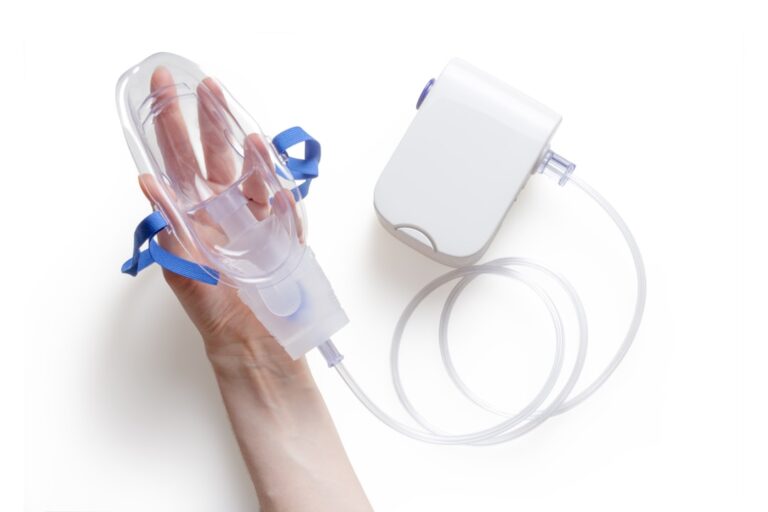
Here’s the anti-pattern that catches most teams working on inhaled peptides. They focus on the peptide chemistry and forget about the device. Formulation stability matters. So does particle size distribution. But what kills more inhaled peptide programs than anything else is poor device compatibility. A peptide that works beautifully in a nebulizer cup can aggregate and lose all activity when loaded into a dry powder inhaler. The manufacturability of the drug-device combination is where programs die. Kither has not disclosed which delivery device they are using for KIT2014. That is normal for this stage. But it is the question experienced developers will ask first.

Another pitfall is immunogenicity. Inhaled peptides face a tougher immunogenicity risk than injectables because the lung mucosa is an active immune surveillance site. A peptide that shows no antibody formation after subcutaneous injection can trigger neutralizing antibodies when inhaled. The Phase 1 data would need to cover this carefully. If Kither saw no immunogenicity signals in healthy volunteers, that bodes well. But chronic dosing in COPD patients — who often have compromised lung immunity — is a different test.

Why This Matters for the Peptide Field

The peptide therapeutics space has been dominated by injectables for decades. GLP-1 agonists, insulin analogs, peptide hormones — almost all are delivered by needle. Oral peptide delivery gets the headlines. But inhaled delivery is arguably a more natural route for respiratory indications. If KIT2014 succeeds in Phase 2, it validates a model that could be replicated across dozens of peptide programs.

Think about it. Antimicrobial peptides for lung infections. Anti-inflammatory peptides for asthma. Mucus-clearing peptides for cystic fibrosis. All of these are in preclinical or early clinical development. All of them face the same delivery challenge that KIT2014 is tackling. A successful inhaled peptide program creates a precedent that makes it easier for others to raise money, attract partners, and navigate regulators.

Now here is the key data point. The inhaled drug delivery sector has seen multiple failures over the past decade. MannKind’s Afrezza inhaled insulin disappointed commercially. Several inhaled antibiotics for CF failed to beat existing treatments. The graveyard is full. But those failures taught the industry what not to do. KIT2014 benefits from all those lessons. The peptide is short and stable. The mechanism targets a validated pathway. The Phase 1 data was clean enough to advance. That combination is worth paying attention to.

One thing worth noting. Kither does not appear to have a large pharma partner yet. The company is advancing KIT2014 on its own. That suggests the data so far is compelling enough to attract independent financing. But a Phase 2 COPD trial is expensive — likely in the range of thirty to fifty million dollars. Kither will either need to raise a substantial Series B or bring in a partner before the trial is fully enrolled. Watching how they solve that financing question will tell us a lot about how the market values inhaled peptide assets.

Something to watch. I’ll be tracking this.

Frequently Asked Questions

What is KIT2014 and how does it work?

KIT2014 is an inhaled peptide drug developed by the Italian biotech company Kither Biotech. It works by modulating intracellular cAMP signaling through balanced inhibition of two enzymes called PDE3 and PDE4. This dual inhibition reduces airway inflammation and helps relax constricted bronchial passages. KIT2014 is delivered directly to the lungs via inhalation, which is designed to maximize local effect while minimizing systemic side effects.

What stage of development is KIT2014 at?

KIT2014 has successfully completed a Phase 1 clinical trial in healthy volunteers. The trial demonstrated acceptable safety and tolerability along with the expected pharmacodynamic effects. Kither Biotech is now initiating a Phase 2 clinical study in patients with chronic obstructive pulmonary disease. Phase 2 will evaluate efficacy endpoints including lung function and exacerbation reduction.

Why is inhaled peptide delivery significant?

Most peptide drugs are delivered by injection because peptides are fragile molecules that break down easily in the body. Delivering peptides through the lungs is especially challenging because the airway environment can degrade peptides before they reach their target. A successful inhaled peptide program — like KIT2014 aims to be — would validate a delivery approach that could be applied to many other peptide drugs for respiratory diseases.

Further Reading

Last reviewed: June 2026. Peptide Proof Editorial Team. Source: Kither Biotech press release via GlobeNewswire, June 19, 2026.


FDA Moves to Reclassify 12 Peptides in Major Regulatory Shift Driven by RFK Jr.

Peptide Proof — Evidence-Based Peptide Intelligence. Independent analysis. No paywall.

Here’s What Happened

The U.S. Food and Drug Administration announced on June 18, 2026 that it will convene an advisory committee in July 2026 to review whether seven peptide injections should be approved for compounding pharmacy production. Simultaneously, the agency will remove 12 peptides from the Category 2 bulks list — a restrictive classification reserved for unapproved, high-risk substances that cannot be compounded. The moves follow sustained pressure from Health and Human Services Secretary Robert F. Kennedy Jr. and the Make America Healthy Again, also known as MAHA movement, representing the most consequential shift in peptide regulation since the FDA began tightening compounding rules under the Biden administration.

Context / Background

The regulatory framework for compounded peptides sits at the intersection of drug safety law, pharmacy practice, and the growing consumer demand for “wellness” injectables. Under Section 503A of the Federal Food, Drug, and Cosmetic Act, compounding pharmacies can prepare customized medications using bulk drug substances — but only if those substances appear on the FDA’s approved bulks list or have a USP/NF monograph.

Under President Biden, the FDA took an increasingly restrictive stance. Between 2022 and 2024, the agency added nearly 20 peptides — including BPC-157, Thymosin Alpha-1, and AOD-9604 — to Category 2, effectively banning their use in compounding. The FDA’s Pharmacy Compounding Advisory Committee, also known as PCAC voted overwhelmingly that these substances “present significant safety risks” because most lack human clinical data. The peptide compounding industry, wellness influencers, and now the HHS Secretary himself have pushed back hard, arguing the restrictions limit patient access to promising therapies.

The Data / The Decision

Peptides under review — advisory committee — | 7 peptides to be evaluated for compounding eligibility.

Peptides being removed from Category 2 | 12 peptides reclassified to allow compounding.

Advisory committee meeting | July 2026.

Peptides previously added to Category 2 — Biden era — | ~20 peptides (2022–2024).

Key driver | HHS Secretary RFK Jr. + MAHA movement.

RFK Jr. personal involvement | Has discussed using peptides for his own injuries.

MAHA influencer involved | Gary Brecka — sells peptide formulas via website —.

Parallel action | FDA moving to remove GLP-1 drugs from 503B bulks list — separate, more restrictive action —.

Critics | Dr. Peter Lurie, also known as CSPI: “The Wild West is about to become wilder”.

Former FDA position | Most compounded peptides “present significant safety risks”.

Expert Insight

Anti-pattern: Treating this as a simple “pro-access vs. pro-safety” debate. Experienced regulatory professionals know the real strategic issue is regulatory pathway arbitrage. If peptides can reach patients through compounding pharmacies without an NDA or BLA, why would any company invest the $1–2 billion and 10–12 years required for formal drug approval? Dr. Peter Lurie’s warning — “I don’t see why one would take the path of a proper drug approval if there is now this less rigorous, alternative path to market” — isn’t hypothetical. The peptide therapeutics industry, which has attracted over five billion dollars in venture funding since 2020, depends on a regulatory regime that rewards clinical development with market exclusivity.

The second-order effect most commentators miss: this reclassification doesn’t just affect wellness peptides like BPC-157. It creates a precedent for how the FDA handles the entire category of peptide drugs, including therapeutic peptides in active clinical development. A company with a Phase 2 peptide asset may now face competition from compounding pharmacies before it even reaches Phase 3 — a scenario that would fundamentally alter risk calculations for peptide biotech investors. CDMOs like Bachem and CordenPharma are watching this closely; expanded compounding could cannibalize the commercial manufacturing market they’re building capacity for.

Further Reading

[Natural sign-off — one sentence summary of why this matters.]

Share this analysis:
X (Twitter)
LinkedIn
Email

Last reviewed: June 2026. Peptide Proof Editorial Team. Source: PBS News / Associated Press

Vedana Therapeutics Launches With $46M to Target PACAP Neuropeptide for Migraine

Peptide Proof — Evidence-Based Peptide Intelligence. Independent analysis. No paywall.

Here’s What Happened

Vedana Therapeutics launched from stealth on June 17, 2026 with a forty-six million dollars Series A round to develop antibody drugs targeting PACAP, which is a small protein that triggers migraines, a neuropeptide that drives migraine attacks through a pathway distinct from the well-established CGRP mechanism. The startup, backed by Westlake BioPartners and Canaan Partners, is led by the scientific and clinical teams that built the multi-billion-dollar CGRP migraine drug class at Alder Biopharmaceuticals, Labrys Biologics, and Amgen. With two programs — one targeting PACAP alone and a dual PACAP/CGRP bispecific — Vedana aims to enter human trials in 2027.

Context / Background

The CGRP inhibitor class — including Aimovig (erenumab), Ajovy (fremanezumab), and Emgality (galcanezumab) — transformed migraine prevention when it launched in 2018. These monoclonal antibodies block calcitonin gene-related peptide, a neuropeptide central to migraine pathophysiology. Combined, the class generates over seven billion dollars in annual revenue.

But a persistent problem remains: more than fifty percent of patients either do not respond to CGRP therapies or discontinue them within the first year. This treatment gap — estimated at 15–20 million patients worldwide — has sparked a race to identify the next migraine target. PACAP, a 38-amino-acid neuropeptide, has emerged as the leading candidate. It triggers vasodilation and neuroinflammation through PAC1, VPAC1, and VPAC2 receptors — a signaling cascade parallel to, but distinct from, CGRP.

The Data / The Deal

Company | Vedana Therapeutics — stealth until June 17, 2026 —.

Funding | forty-six million dollars Series A.

Lead Investors | Westlake BioPartners, Canaan Partners.

Target | PACAP neuropeptide — anti-PACAP monoclonal antibodies —.

Pipeline | 2 programs: anti-PACAP monotherapy + PACAP/CGRP bispecific.

Clinical Timeline | Human trials expected to start in 2027.

Key Competitor | Lundbeck — ALD1910, Phase 2, via two billion dollars Alder acquisition —.

Other Competitors | Mentari Therapeutics — reverse merger —, Slate Medicines — one hundred thirty million dollars raised —.

Leadership | CEO Anurag Agarwal; CSO Leon Garcia — ex-Alder PACAP lead —; CMO Ernesto Aycardi — ex-Teva Ajovy lead —.

Board | Rob Lenz — ex-Amgen Aimovig head —, Marcelo Bigal — ex-Labrys CMO —.

Expert Insight

Anti-pattern: Assuming PACAP will just be “CGRP 2.0.” Experienced teams know that the PACAP pathway has significant safety baggage. PACAP is broadly expressed — in the pituitary, adrenal medulla, and autonomic nervous system. Lundbeck’s ALD1910 showed signals of liver enzyme elevation and blood pressure effects in Phase 2, which is why the program hasn’t accelerated faster despite positive efficacy data. The winner in this space won’t be the company with the best PACAP binder — it will be the one that solves the therapeutic window problem. Vedana’s dual-targeting bispecific may help by allowing lower doses of each component.

Another underappreciated dimension: CGRP drugs succeeded partly because neurologists were desperate for migraine-specific options after decades of repurposed antidepressants and beta-blockers. PACAP drugs face a higher bar — they must demonstrate superiority over established, well-reimbursed CGRP therapies, not just novelty. Trial design matters enormously here; a head-to-head against CGRP standard-of-care is expensive but may be the only path to commercial relevance.

Further Reading

[Natural sign-off — one sentence summary of why this matters.]

Share this analysis:
X (Twitter)
LinkedIn
Email

Last reviewed: June 2026. Peptide Proof Editorial Team. Source: BioPharma Dive

GLP-1 Weight Loss Drugs Shed 28% Lean Mass — 36-Trial Meta-Analysis

Peptide Proof — Evidence-Based Peptide Intelligence. Independent analysis. No paywall.

Here’s What Happened

A systematic review and meta-analysis of 36 randomized controlled trials published in Diabetes/Metabolism Research and Reviews (July 2026) quantifies a persistent and underappreciated consequence of GLP-1 receptor agonist therapy: lean body mass (LBM) loss averaging 1.51 kg, representing twenty-eight percent of total weight reduction. The analysis spans 21 GLP-1RA trials and 15 SGLT2 inhibitor trials across obesity, type 2 diabetes, type 1 diabetes, and PCOS populations. As semaglutide and tirzepatide prescriptions continue their explosive growth, the findings challenge the assumption that pharmacologic weight loss is metabolically benign and call for routine body composition monitoring in GLP-1-treated patients.

Context / Background

GLP-1 receptor agonists — led by Novo Nordisk’s semaglutide (Wegovy/Ozempic) and Eli Lilly’s tirzepatide (Mounjaro/Zepbound) — have become the fastest-growing drug class in pharmaceutical history, with combined 2025 revenues exceeding fifty billion dollars. Their efficacy for weight loss — 15–twenty-two percent body weight reduction in pivotal trials — has driven unprecedented demand from obesity, diabetes, and now cardiovascular and renal indications.

But weight loss is not monolithic. The body sheds both fat mass and lean mass during caloric deficit, and the ratio matters: lean mass loss is associated with reduced resting metabolic rate, functional decline, and increased frailty risk — particularly in older adults and patients with sarcopenic obesity. While GLP-1 trials consistently report favorable fat-to-lean loss ratios compared to lifestyle intervention alone, the absolute magnitude of lean mass loss has never been systematically quantified across the full evidence base — until now.

The Data

Studies analyzed | 21 RCTs | 15 RCTs.

Lean body mass change | -1.51 kg (ninety-five percent CI: -2.00 to -1.01) | -1.04 kg (ninety-five percent CI: -1.45 to -0.64).

Lean mass as % of total loss | twenty-eight percent (ninety-five percent CI: 22–thirty-four percent) | twenty-eight percent (ninety-five percent CI: 22–thirty-four percent).

Populations studied | Obesity (n=8), T2DM (n=20), T1DM (n=5), PCOS (n=3).

Sex effect | None detected.

Measurement methods | DXA, BIA, MRI, CT.

The consistency across measurement techniques, disease populations, and drug classes is striking. Both GLP-1RAs and SGLT2is produced the same proportion of lean mass loss (twenty-eight percent) despite different mechanisms of action — suggesting that the lean mass loss is primarily driven by the caloric deficit itself, not a drug-specific catabolic effect.

Expert Insight

Anti-pattern: “The ratio is favorable, so it’s fine.” Many clinicians and industry messaging point to the favorable proportion of fat-to-lean loss with GLP-1 drugs — typically 2:1 to 3:1 fat:lean — as evidence that lean mass loss is clinically insignificant. This reasoning misses a critical point: absolute lean mass loss still occurs, and it compounds over time. A 65-year-old patient with sarcopenic obesity who loses 1.5 kg of lean mass over 6–12 months of semaglutide treatment may cross a functional threshold — losing the muscle reserve needed for activities of daily living. The meta-analysis found no plateau effect, meaning longer treatment durations accumulate more lean mass loss. What experienced metabolic medicine teams know: concurrent resistance exercise and adequate protein intake (>=1.2 g/kg/day) are not optional adjuncts to GLP-1 therapy — they are mandatory countermeasures.

A second pitfall: body composition is almost never measured in routine GLP-1 prescribing. Primary care physicians prescribe semaglutide based on scale weight alone. DXA scans — the gold standard for body composition — are rarely reimbursed for obesity management. This means the twenty-eight percent lean mass loss is invisible to most prescribing clinicians, who see only the gratifying weight-loss number on the scale and assume the drug is working perfectly.

Further Reading

[Natural sign-off — one sentence summary of why this matters.]

Last reviewed: June 2026. Peptide Proof Editorial Team. Source: Diabetes/Metabolism Research and Reviews, July 2026 — doi: 10.1002/dmrr.70194 —.

Ecnoglutide DDI Data Clears Co-Administration Path for Novel GLP-1 Analogue

Peptide Proof — Evidence-Based Peptide Intelligence. Independent analysis. No paywall.

Here’s What Happened

Ecnoglutide, a novel cAMP-biased glucagon-like peptide-1 (GLP-1) analogue from China’s Sciwind Biosciences, has cleared a key pharmacokinetic hurdle. A Phase 1 drug–drug interaction (DDI) study published June 17 in Diabetes, Obesity & Metabolism shows no clinically significant interactions with rosuvastatin or digoxin, meaning no dose adjustments are required for these commonly co-prescribed drugs. The study also confirmed the peptide’s potent weight-loss effect: a mean 11.2 percent body weight reduction across just 14 weeks in healthy volunteers. This DDI clearance removes one of the final pre-approval unknowns for a molecule that already has two positive Phase 3 trials in the Lancet — one in type 2 diabetes (EECOH-2, non-inferior to dulaglutide) and one in obesity (significant weight loss vs placebo).

Context

The GLP-1 receptor agonist market — projected to exceed one hundred fifty billion dollars by 2030 — is dominated by two behemoths: Novo Nordisk’s semaglutide (Ozempic/Wegovy) and Eli Lilly’s tirzepatide (Mounjaro/Zepbound). But the pipeline is far from static. A wave of next-generation candidates is advancing, each claiming differentiation on dosing frequency, receptor bias, or combinatorial pharmacology. Ecnoglutide’s distinguishing feature is cAMP-biased agonism: by preferentially activating the Gαs/cAMP signaling pathway over β-arrestin recruitment, the molecule aims to preserve glycemic. weight-loss efficacy while potentially reducing receptor desensitization and tachyphylaxis — a subtle. meaningful advantage in chronic therapy.

Sciwind Biosciences, headquartered in Hangzhou, has been methodically building the ecnoglutide dossier. The Phase 2 data, published in Nature Communications (2024), established glycemic efficacy in T2D. Two Phase 3 readouts followed in 2025, both landing in The Lancet Diabetes & Endocrinology. The EECOH-2 trial demonstrated non-inferiority to dulaglutide (Trulicity) in HbA1c reduction over 52 weeks, while the obesity trial produced statistically and clinically significant weight loss versus placebo. The DDI study now addresses a practical clinical question: can doctors safely co-prescribe ecnoglutide with statins (rosuvastatin) and narrow-therapeutic-index drugs (digoxin)? The answer is yes.

The Data

Study design | Open-label, single-sequence crossover, Phase 1; 28 healthy adults.

AUC0–∞ GM ratio — with ecnoglutide vs alone — | one hundred six percent (ninety percent CI: 94–one hundred twenty percent) | eighty-four percent (ninety percent CI: 76–ninety-four percent).

Cmax effect | No clinically relevant change | ↓ from 1.39 to 1.31 ng/mL (within therapeutic window).

Dose adjustment required? | No | No — monitor in renal impairment —.

Weight loss — ecnoglutide 1.2 mg SC — | 11.2 percent mean reduction over 14 weeks.

Common AEs | Gastrointestinal — GLP-1 class effect —, no serious AEs.

Phase 2 T2D | 2 | Adults with T2D | Significant HbA1c reduction vs placebo | Nature Communications (2024).

EECOH-2 | 3 | T2D on metformin | Non-inferior to dulaglutide at 52 weeks | Lancet Diabetes Endocrinol (2025).

Obesity Phase 3 | 3 | Overweight/obesity | Significant weight loss vs placebo | Lancet Diabetes Endocrinol (2025).

DDI Study | 1 | Healthy volunteers | No clinically relevant PK interactions | Diabetes Obes Metab (2026).

Expert Insight

Anti-Pattern: Assuming DDI clearance means smooth sailing through regulatory review. The DDI data answers one narrow question — pharmacokinetic compatibility with two probe substrates — but experienced peptide developers know that GLP-1 agonists introduce a more complex absorption challenge than the DDI label suggests. GLP-1 receptor agonists delay gastric emptying, which can alter the absorption kinetics of any orally administered drug, not just those with narrow therapeutic indices. The rosuvastatin and digoxin findings are reassuring for those two drugs specifically, but they do not constitute a general “no interaction” license. Clinicians will need to monitor patients on time-sensitive oral medications (e.g., levothyroxine, certain antibiotics) during ecnoglutide initiation and dose escalation — a nuance that package inserts rarely capture with sufficient granularity.

A second, less obvious concern: the weight-loss data in this DDI study — 11.2 percent in 14 weeks in healthy volunteers — may actually complicate the regulatory narrative. This magnitude of weight loss in a non-diabetic, non-obese population raises the question of how broadly the drug could be used — and how regulators will define the appropriate patient population. The Phase 3 obesity trial enrolled people with BMI ≥30 (or ≥27 with comorbidities); the DDI participants were healthy volunteers with a mean BMI that was presumably lower. If ecnoglutide produces double-digit weight loss even in leaner populations, the safety of long-term use at lower BMI thresholds becomes a legitimate question for regulators, not a marketing advantage.

Further Reading

Share this analysis:
𝕏 Twitter
LinkedIn
Email

Last reviewed: June 2026. Peptide Proof Editorial Team. Source: Li F, Du C, Yu Q, et al. “Effect of a Novel GLP-1 Analogue Ecnoglutide on the Pharmacokinetics of Rosuvastatin and Digoxin in Healthy Participants.” Diabetes, Obesity & Metabolism (2026). doi:10.1111/dom.70880