CordenPharma just made the kind of move that tells you exactly where the peptide industry is headed. The company is acquiring AmbioPharm, a peptide API manufacturer with production sites in the United States and China. The deal expands CordenPharma’s global manufacturing footprint at a moment when peptide production capacity is the scarcest resource in the pharmaceutical supply chain.
This is not just another CDMO consolidation story. It is a direct response to the GLP-1 revolution that has reshaped peptide manufacturing demand over the past three years.
The Manufacturing Bottleneck Nobody Solved
Everyone talks about the clinical data from GLP-1 drugs. The weight loss numbers. The cardiovascular outcomes. The new indications. But behind every clinical triumph sits a manufacturing question that keeps supply chain executives awake at night. Can we actually make enough of this peptide to meet demand?
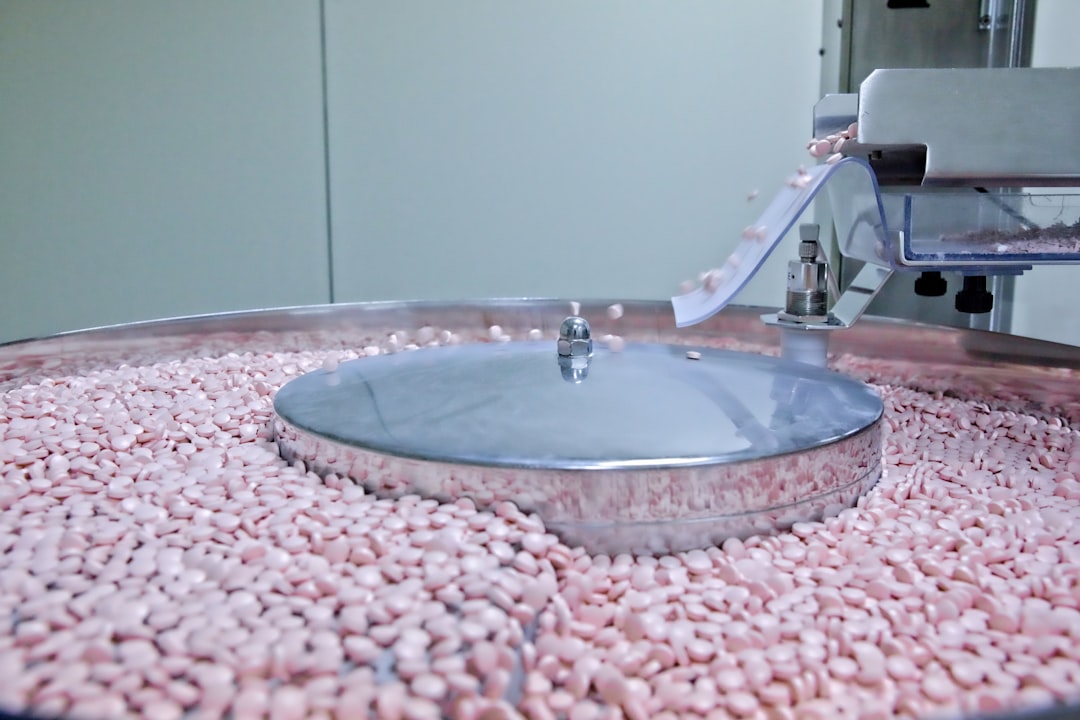
Semaglutide and tirzepatide are not simple small molecules. They are engineered peptides with non-natural amino acid modifications. Manufacturing them at commercial scale requires specialized solid-phase peptide synthesis capacity. The kind of capacity that cannot be built overnight. A new peptide API facility takes three to five years from groundbreaking to commercial production. The demand is here now.
CordenPharma already supplies peptide APIs for major GLP-1 programs. But the company’s existing facilities were built for a market that was a fraction of its current size. The AmbioPharm acquisition is the fastest way to add capacity. Buying an existing facility means skipping the construction timeline. It means acquiring trained staff, established quality systems, and active regulatory filings.
The Deal Structure and What It Signals
The acquisition brings AmbioPharm’s manufacturing sites into CordenPharma’s global network. Those sites are located in the United States and China. That geographic mix matters. US-based production provides supply chain security for American customers and avoids tariff exposure. China-based production offers cost advantages and access to the rapidly growing Asian peptide market.
The financial terms of the deal were not disclosed. But the strategic logic is clear. CordenPharma is betting that peptide API demand will continue growing faster than the industry can add capacity. By acquiring AmbioPharm now, the company secures production slots that competitors cannot access. In a capacity-constrained market, the player with the most reactors wins.
This deal follows a pattern. The peptide CDMO sector is consolidating rapidly. PolyPeptide Group has been expanding through acquisition. Bachem is investing hundreds of millions in new facilities. Cambrex committed a hundred and twenty million dollars to grow US API manufacturing. Every major CDMO is racing to capture GLP-1 manufacturing volume before the window closes.
What Experienced Teams Know
Here is the anti-pattern that catches newcomers off guard. When a CDMO acquires another CDMO, the press release talks about “expanded capacity” and “synergies.” But what experienced pharmaceutical supply chain managers see is risk concentration.
Every acquisition reduces the number of independent peptide API suppliers. Five years ago, a pharma company developing a peptide drug could choose from a dozen qualified CDMOs. Today, the top tier has consolidated into perhaps five major players. When capacity gets tight, those five players have enormous pricing power. The pharma companies that locked in long-term supply agreements early are protected. The ones that waited are now paying premium rates or facing allocation.
The other thing the market misses is the regulatory friction. Acquiring a manufacturing site is not like buying a warehouse. Every site has existing regulatory filings with the FDA, EMA, and other agencies. Those filings cannot simply be transferred. They must be updated. And during the transition period, the acquiring company assumes liability for the acquired site’s compliance history. Due diligence on a CDMO acquisition is not a financial exercise. It is a regulatory archaeology project.
The timeline reality also matters. CordenPharma will spend months to years integrating AmbioPharm’s quality systems, IT infrastructure, and standard operating procedures into its own. The capacity does not become available the day the deal closes. It becomes available after the integration work is done. In the meantime, the peptide API shortage continues.
Why This Changes the Peptide Landscape
The CordenPharma-AmBioPharm deal is not an isolated event. It is the latest move in a restructuring of the global peptide supply chain that began with the GLP-1 boom. Three forces are converging.
First, demand growth. GLP-1 prescriptions have more than quadrupled since 2021. Every major pharma company now has a peptide program. The total addressable market for peptide APIs is expanding faster than anyone projected.
Second, supply constraints. Building new peptide manufacturing capacity takes years. Regulatory qualification takes additional time. The industry is structurally under-supplied relative to demand.
Third, geopolitical pressure. The US government has made pharmaceutical supply chain security a national priority. Having peptide API manufacturing on American soil is no longer a nice-to-have. It is increasingly a regulatory expectation. The AmbioPharm US site gives CordenPharma exactly that capability.
For peptide drug developers, the message is uncomfortable. Your manufacturing partner options are shrinking. The ones that remain are getting bigger and more expensive. Negotiate your supply agreements accordingly.
I will be tracking this. The CordenPharma-AmBioPharm integration will be a case study in whether CDMO consolidation actually delivers the promised capacity relief. Or whether it just concentrates pricing power in fewer hands while the capacity gap persists.
Further Reading
- Retatrutide Hits 30% Weight Loss in Pivotal Phase 3 Trial
- Economics of Peptide API Manufacturing: A Complete Cost Breakdown
- Peptide Purification: A Technical Guide to HPLC, SMB, and Emerging Methods
Last reviewed: June 2026. Peptide Proof Editorial Team. Source: Fierce Pharma, CHEManager