
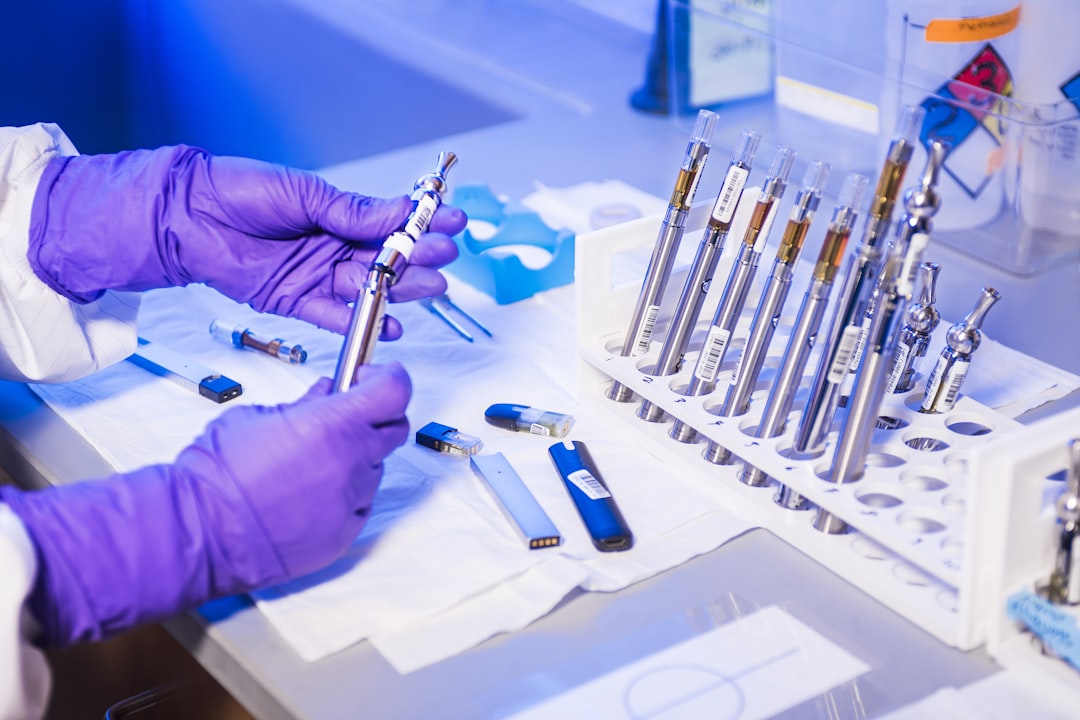
Gelteq just took the step that separates peptide science from peptide medicine. The Australian biotech announced it is entering its first human clinical trial. The company also launched a veterinary study program. And it closed a three and a half million dollar financing round to pay for both.
This is not a mega-deal. It is not a billion-dollar acquisition. But for anyone tracking the peptide therapeutics pipeline, Gelteq’s move matters. It represents something rare right now. A new peptide company actually crossing from preclinical promise into human testing.
What Gelteq Actually Does
Gelteq builds its platform around oral peptide delivery. That is the holy grail of peptide therapeutics. Most peptides cannot be taken as pills. They get destroyed in the stomach before they reach the bloodstream. So patients inject them. Semaglutide. Tirzepatide. Insulin. All needles.
Gelteq claims to have solved part of this problem. Their technology aims to protect peptides through the digestive system and deliver them into circulation. If it works at scale, the implications go far beyond one company. Oral peptide delivery would expand the addressable market for every peptide drug on the market and every one in development.
But here is the context that matters. Oral peptide delivery has been the promised land for thirty years. Dozens of companies have tried. Most have failed. The biology is genuinely hard. Peptides are large, fragile molecules. The gut evolved to break them down. Getting meaningful bioavailability from an oral peptide is a physics problem as much as a biology one.
The Data Points
Gelteq’s announcement had three concrete pieces of news. A human clinical trial is now launching for their lead program. A companion veterinary study is running in parallel, targeting the animal health market. And the company raised three point five million dollars in new financing.
The veterinary angle is clever. Animal health has lower regulatory barriers and faster time to market than human therapeutics. A company can generate revenue and clinical validation data from veterinary products while the human trials grind forward. Several peptide companies have used this two-track strategy successfully. It reduces the cash burn between financing rounds.
The three and a half million dollar raise is modest by biotech standards. But in the current funding environment, any financing is a signal. The biotech IPO window has reopened in 2026. Kardigan raised four hundred million dollars last week. Early-stage peptide companies are getting meetings again. Gelteq’s round, however small, confirms that peptide platforms still have investor traction.
What Experienced Teams Know
Here is the anti-pattern that seasoned peptide developers watch for. When a company announces a first human trial, the press release always sounds confident. The science sounds ready. But experienced teams know that the gap between preclinical data and human pharmacokinetics is where oral peptide programs go to die.
In animals, you can control everything. Fasted state. Exact dosing. No confounding medications. In humans, you get variability. Some patients take the pill with food. Some have slower gut motility. Some take proton pump inhibitors that change stomach pH. Bioavailability can swing from fifteen percent to two percent between patients. That variability kills programs.
The common mistake is to celebrate the preclinical data and assume the human data will look similar. It almost never does. The companies that succeed are the ones that expect the first human study to disappoint and design the dose-ranging to find the window where absorption is consistent enough to be clinically useful. The companies that fail are the ones that expected a straight line from mice to humans.
Another thing the data does not tell you. Three and a half million dollars does not fund a full clinical program. That amount covers perhaps six to nine months of burn at a small biotech. Gelteq will need to raise again soon. The quality of the first human data will determine whether the next round comes easily or not at all.
Why This Matters for the Broader Peptide Field
The GLP-1 revolution has changed everything for peptide companies. Five years ago, oral peptide delivery was a niche technology story. Today, every major pharma company wants an oral GLP-1. Novo Nordisk has one in late-stage development. Lilly is working on orforglipron. Pfizer tried and failed with danuglipron. The market for an effective oral peptide is measured in tens of billions of dollars.
Gelteq is not competing with Novo Nordisk. But every company that advances oral peptide technology de-risks the platform for everyone else. Manufacturing learnings. Formulation insights. Regulatory precedents. All of it compounds. The peptide field needs more companies testing oral delivery in humans, not fewer.
Now here is the key data point. The number of oral peptide programs entering the clinic has tripled since 2021. Most of that growth is driven by GLP-1 follow-on programs. But companies like Gelteq, Pinnacle Medicines, and others are proving that oral delivery is not limited to one therapeutic class. If the platform generalizes, the peptide drug market could expand by an order of magnitude.
What This Means in Practice
So what should industry watchers track next? First, the design of Gelteq’s human trial. Is it a food-effect study? A single ascending dose? Those are standard first-in-human designs that prioritize safety and pharmacokinetics. What matters is the bioavailability number. If it clears the double-digit threshold, the program has a chance. If it stays in the low single digits, the platform needs more work.
Second, watch the veterinary data timeline. Animal health studies typically read out faster than human trials. If Gelteq can show efficacy in a veterinary model, that provides independent validation of the oral delivery technology. It also generates revenue, which reduces dilution risk for shareholders.
Something to watch. Gelteq has made it to the starting line. The real race begins now.
Further Reading
- GLP-1 Weight Loss Drugs Shed 28% Lean Mass — 36-Trial Meta-Analysis
- GLP-1/GLP-2 Co-agonists: Multi-Receptor Strategies Reshape Metabolic Drug Development
- Retatrutide Hits 30% Weight Loss in Pivotal Phase 3 Trial
Last reviewed: June 2026. Peptide Proof Editorial Team. Source: Stock Titan, The Manila Times